
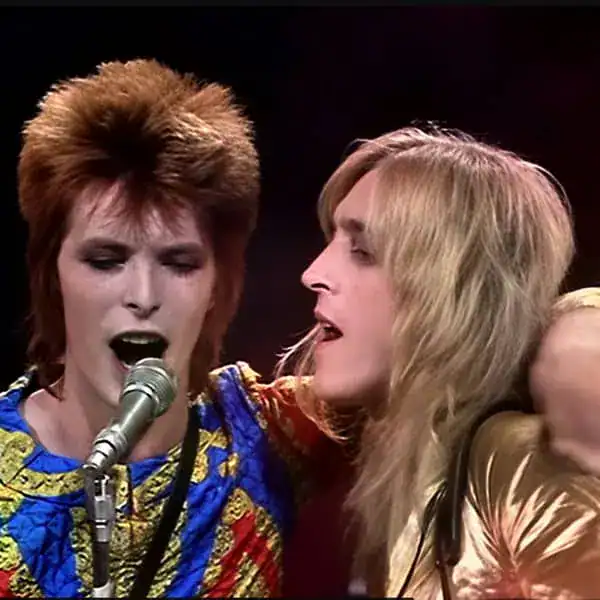
Mick Ronson – David Bowie’s Guitarist, Arranger & Creative Partner
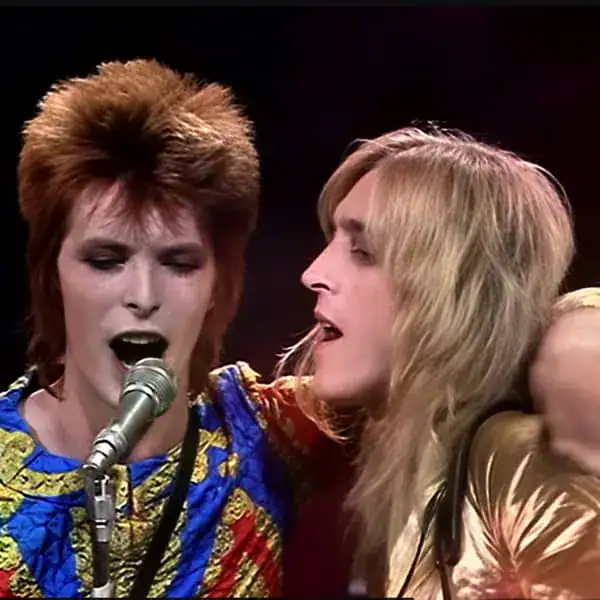
Mick Ronson was a guitarist, arranger, pianist and producer whose work helped establish the musical identity of David Bowie’s early 1970s recordings. Between 1970 and 1973, he contributed to five consecutive Bowie studio albums, moving from the heavy electric sound of The Man Who Sold the World to the orchestral writing of Hunky Dory, the performances of the Spiders from Mars and the reinterpretations collected on Pin Ups.
His contribution extended beyond the guitar solos most closely associated with his name. Ronson helped turn songs into arrangements, wrote instrumental parts and brought a practical understanding of harmony to music that could move between acoustic songwriting, forceful rock and elaborate orchestral textures. On stage, he also became an essential visual partner in Bowie’s presentation of Ziggy Stardust.
The partnership was especially visible during 1972 and 1973, when Ronson performed alongside bassist Trevor Bolder and drummer Mick “Woody” Woodmansey as the Spiders from Mars. Yet its history began before Ziggy and continued after that character’s retirement. Ronson remained involved in Pin Ups and The 1980 Floor Show, subsequently making occasional appearances with Bowie and returning to the studio for Black Tie White Noise.
Beyond Bowie, Ronson developed an extensive career with artists including Lou Reed, Ian Hunter, Bob Dylan, Roger McGuinn, John Mellencamp and Morrissey. His solo recordings and production work reveal a musician whose identity cannot be contained within one band or period. The Bowie recordings remain central to his story, but they form part of a much wider body of work.
- Full name: Michael Ronson
- Born: 26 May 1946, Kingston upon Hull, England
- Died: 29 April 1993, London, England
- Musical roles: Guitarist, arranger, pianist, vocalist and producer
- Early bands: The Rats and Ronno
- Main period with Bowie: 1970–1973, followed by later guest appearances and recording work
- Bowie bands: The Hype and the Spiders from Mars
- Principal Bowie albums: The Man Who Sold the World, Hunky Dory, The Rise and Fall of Ziggy Stardust and the Spiders from Mars, Aladdin Sane and Pin Ups
- Later Bowie recording: Lead guitar on “I Feel Free” from Black Tie White Noise
- Solo albums: Slaughter on 10th Avenue, Play Don’t Worry and the posthumously released Heaven and Hull
- Other important collaborations: Lou Reed, Ian Hunter, Bob Dylan, Roger McGuinn, John Mellencamp and Morrissey
Early life and musical training in Hull
Michael Ronson was born in Kingston upon Hull on 26 May 1946. His musical education began before his association with electric guitar. As a child, he encountered instruments including piano and violin, learning skills that would later become particularly useful when he began writing arrangements for recording sessions.
Hull remained important to his identity even after his work took him elsewhere. It was the city in which he developed his early musical relationships and from which several musicians connected with Bowie’s emerging band would come. Ronson’s story therefore begins within an existing local musical community, before the costumes, international touring and London recording studios.
The Rats and the development of an electric guitarist

During the 1960s, Ronson played with The Rats, a Hull band whose music drew on the blues and the developing language of British electric rock. The group gave him practical experience of performing with other musicians and building guitar parts within a working band.
The Rats also belonged to a period in which British guitarists were expanding the possibilities of amplification, distortion and extended soloing. Ronson absorbed that environment while developing his own combination of forceful attack and melodic phrasing. His playing could be aggressive without abandoning a clear sense of the shape of a song.
Michael Chapman and Fully Qualified Survivor
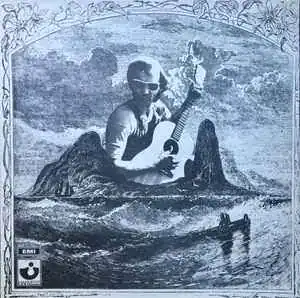
An important early recording connection was Michael Chapman’s Fully Qualified Survivor, released in 1970. Ronson contributed electric guitar to an album that brought Chapman’s songwriting into contact with a broader studio sound. It provides evidence of his abilities outside the Bowie partnership at the beginning of that partnership’s development.
Chapman later recalled insisting that Ronson should take part, despite the availability of established London guitarists. His account describes a musician whose talent was already recognised by people who had heard him locally. Professional reputation and geographical visibility were different matters: Ronson’s relative unfamiliarity in London did not reflect a lack of ability.
Ronson’s involvement should not be confused with responsibility for every element of the record. Paul Buckmaster supplied its string arrangements. The distinction matters when considering Ronson’s later development as an arranger: the Chapman album documents his guitar work, while his own orchestral contributions would become an increasingly important part of the Bowie story.
Michael Chapman on Mick Ronson
“You know, he was just so damned good.”
— Michael Chapman, interview with Klemen Breznikar, It’s Psychedelic Baby! Magazine, 2016 .
An early session with Elton John
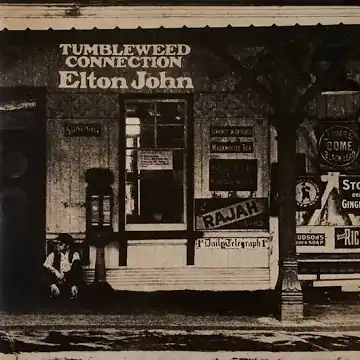
Ronson’s early studio work also included an original version of Elton John’s “Madman Across the Water”, recorded during the Tumbleweed Connection period. Elton John’s official archive identifies Ronson on electric guitar, alongside Michael Chapman on acoustic guitar, Herbie Flowers on bass and Barry Morgan on drums.
This recording must be distinguished from the familiar version released on the 1971 album Madman Across the Water. Ronson’s performance belongs to an earlier interpretation of the song. The existence of two versions has sometimes encouraged an overly broad claim that he played on the standard album recording.
The earlier performance offers another perspective on his developing style. Its extended format allows the electric guitar more space than a compact pop single would provide. Ronson can sustain and develop phrases across a substantial arrangement, demonstrating the capacity for longer musical statements that would also become important in Bowie’s live repertoire.
John Cambridge and the invitation to work with Bowie
Ronson’s route into Bowie’s band came through John Cambridge, a drummer with connections to Hull’s music scene. In early 1970, Cambridge encouraged him to travel to London and work with Bowie. At the time, Ronson was employed as a municipal gardener while continuing his musical activities.
This introduction brought together musicians whose backgrounds were different but potentially complementary. Bowie was developing his songwriting and looking towards a stronger electric presentation. Cambridge knew a guitarist capable of supplying that sound, while Tony Visconti was already involved in Bowie’s recording work and musical development.
The Hype: music before the Spiders from Mars
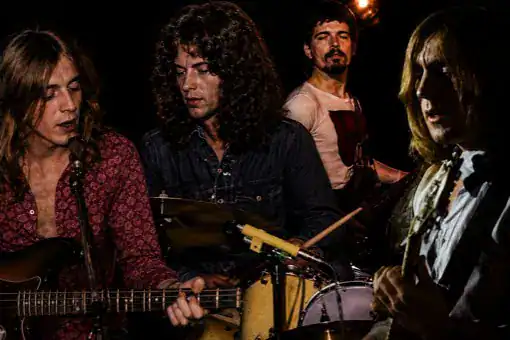
The early electric group assembled around Bowie was known as The Hype. Its original line-up included Bowie, Ronson, Visconti on bass and Cambridge on drums. Ronson supplied a prominent electric guitar voice to a group that was exploring a heavier approach than much of Bowie’s recent acoustic presentation.
In a March 1970 interview, Bowie discussed the band as a project with an identity potentially separate from his own. That contemporary description is valuable because it prevents the Hype from being reduced to a retrospective label for the Spiders from Mars. At the time, Bowie was still considering how the arrangement might develop.
The personnel subsequently changed when Mick “Woody” Woodmansey replaced Cambridge. Woodmansey brought another Hull connection into Bowie’s musical circle. The changing line-up illustrates how the group’s musical relationships developed before the more familiar configuration of Ronson, Trevor Bolder and Woodmansey became established.
Source: David Bowie’s official archive — Hype and David Bowie’s future fifty years ago.
“Memory of a Free Festival”: an early recording with Bowie
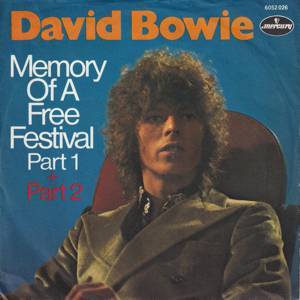
An important early document of the partnership is the re-recorded version of “Memory of a Free Festival”, issued as a two-part single in 1970. Ronson played on this electric reinterpretation of a song that had originally appeared on Bowie’s 1969 album.
The distinction between the recordings is essential. Ronson’s contribution belongs to the later single version, not the original album performance. The new recording placed a stronger electric sound around the song, documenting the change taking place in Bowie’s music during Ronson’s first months of involvement.
Bowie’s official archive identifies the single as Ronson’s debut on a released Bowie record. Although it did not become a commercial breakthrough, it remains an important link between Bowie’s earlier material and the heavier musical direction developed on The Man Who Sold the World.
Recording The Man Who Sold the World
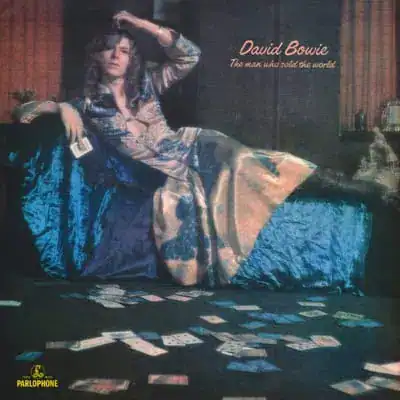
Ronson’s first full Bowie studio album was The Man Who Sold the World, recorded in 1970. The central musicians included Bowie, Ronson, Visconti and Woodmansey, with Visconti producing. The record placed electric guitar and a forceful rhythm section at the centre of a substantially heavier sound.
Ronson’s playing is especially important to the album’s instrumental density. Riffs, sustained notes and layered guitar parts give the songs a physical presence that differs from the more acoustic textures of Bowie’s preceding album. The change can be heard without treating it as a simple rejection of everything Bowie had done before.
Visconti’s later recollections describe an experimental process in which instrumental passages were developed through the musicians’ work together. Ronson’s contribution therefore involved more than arriving to play a predetermined solo. He participated in the construction of a band sound that supported Bowie’s increasingly unusual subjects and song forms.
“Ronson is right at the top for me.”
“The Width of a Circle” and extended musical drama
Mick Ronson performing “The Width of a Circle” with David Bowie during the Ziggy Stardust era.
“The Width of a Circle” gives Ronson an unusually expansive setting within Bowie’s early recorded work. Its length and changing sections allow the guitar to participate in the song’s movement rather than appearing only during a brief break between vocal passages. The instrumental playing becomes part of the drama.
A useful way to hear the track is to follow the relationship between guitar and rhythm section. The guitar can reinforce a repeated figure, move into a more independent phrase and then return to the collective pulse. That alternation creates tension without requiring the whole arrangement to remain continuously at maximum intensity.
The piece would also become important in the live repertoire. Its extended instrumental possibilities gave audiences a different experience from the concise songs associated with radio and singles. Ronson’s role in that setting made the guitarist a central performer within a show whose overall identity remained closely attached to Bowie.
Heavy riffs and melodic restraint
Other songs on The Man Who Sold the World demonstrate that Ronson’s effectiveness did not depend on extended soloing. “The Supermen”, “All the Madmen” and the title track present different relationships between guitar, voice and arrangement. Their contrasts reveal how much could be achieved through the placement of a repeated figure.
The title track is particularly useful in this respect. Its recognisable guitar phrase gives the recording an immediate identity, yet the part remains integrated with the vocal and rhythm. The listener does not need a long solo to recognise the guitarist’s importance. A short, recurring musical idea can carry considerable weight.
Ronno and the transition towards Hunky Dory
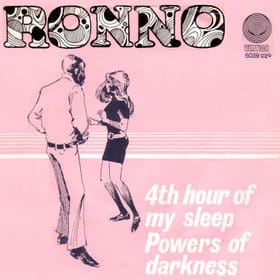
The period between Bowie’s 1970 recording work and Hunky Dory did not consist of a permanently settled band simply waiting for the next album. Ronson returned to Hull and was involved in Ronno, a group whose recordings form another part of his early career outside Bowie’s immediate projects.
Bowie’s own music was also changing. The songs that became Hunky Dory required a broader instrumental vocabulary than the consistently heavy passages of the preceding album. Piano, acoustic guitar and orchestral writing would become more prominent, giving Ronson opportunities to contribute in ways that extended beyond his electric sound.
The developing band now included Trevor Bolder on bass, alongside Ronson and Woodmansey. This combination would subsequently be recognised as the Spiders from Mars. Its formation belongs to 1971, before the Ziggy identity and its associated presentation became familiar to a wider audience.
Hunky Dory: a wider musical vocabulary
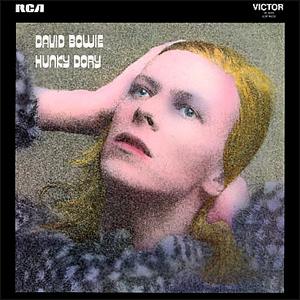
Released in December 1971, Hunky Dory established a different balance between Bowie’s songwriting and the musicians supporting it. Ronson’s guitar remained important, but piano and orchestral textures became central to several songs. Rick Wakeman contributed piano, while Ronson’s arranging helped connect the instrumental elements.
The record moves between intimate performances, buoyant pop and more elaborate constructions. That variety requires the musicians to distinguish one song’s needs from another’s. An electric guitar sound that works for “Queen Bitch” would not automatically provide the right emphasis for the opening passages of “Life on Mars?”
Source: David Bowie World — Divine Symmetry box-set details.
“Life on Mars?” and the orchestral arrangement
“Life on Mars?” from Hunky Dory (1971), featuring Mick Ronson’s guitar and string arrangement.
“Life on Mars?” provides one of the clearest examples of Ronson’s importance as an arranger. Bowie wrote the song, Wakeman played piano and Ronson supplied the string arrangement as well as guitar. The finished recording draws its effect from the relationship between these contributions.
The strings do more than add a continuous layer of decoration. Their changing presence helps articulate the song’s growth, reinforcing its movement from a relatively contained opening towards a larger emotional scale. The piano establishes a firm musical framework, while the orchestral writing broadens the space around Bowie’s vocal.
Ronson’s guitar solo introduces another colour without detaching itself from the surrounding music. Its melodic character suits a recording in which instrumental expression matters more than a demonstration of speed. The part is memorable partly because it sounds connected to the song’s emotional direction.
“Queen Bitch” and the return of electric attack
On “Queen Bitch”, the electric guitar becomes immediately prominent. Within an album containing substantial piano and orchestral writing, its attack produces a deliberate change in texture. The contrast helps the record retain variety and demonstrates how Ronson could establish a song’s identity through a compact instrumental figure.
The playing is forceful but economical. Rather than allowing an extended solo to take over the performance, the guitar keeps returning to ideas that support the song’s forward movement. The rhythm section and vocal remain closely connected to that momentum, giving the recording the feeling of a band working towards a shared shape.
Developing confidence as an arranger
Ronson’s arranging developed through observation, encouragement and practical work. In his own recollections, he described learning from the way Visconti prepared parts and being pushed towards new responsibilities by Bowie. These accounts present growth through experience, rather than an arranger arriving with every technique already perfected.
It is useful to preserve the distinction between arranging and songwriting. An arrangement can have a decisive effect on how a composition is heard without changing its published authorship. Ronson’s importance can be described fully through his documented musical responsibilities, without inventing songwriting credits that the records themselves do not assign to him.
Mick Ronson on working with David Bowie
“David pushed me forward. That was his thing. He made stuff happen.”
— Mick Ronson, recollection reproduced in Guitar Player’s account of his career .
Dana Gillespie and Weren’t Born a Man
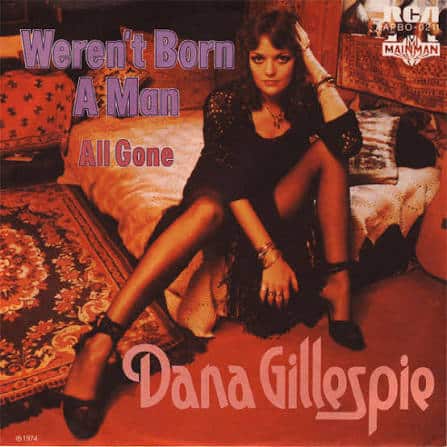
Ronson’s work within Bowie’s musical circle also included Dana Gillespie’s Weren’t Born a Man, released in 1973. Recorded at Trident Studios over the period from 1971 to 1973, the album included “Andy Warhol”, which Bowie had written for Gillespie.
Gillespie’s official biography identifies David Bowie, Mick Ronson, Robin Cable and Gillespie herself among the album’s producers. Their involvement should therefore be described as contributions to a shared project, rather than attributing the production of the entire record exclusively to Bowie and Ronson.
The collaboration places Ronson’s expanding studio responsibilities within a wider contemporary setting. While working on Bowie’s recordings, he was also contributing to music by another artist whose voice and repertoire required their own treatment. Gillespie’s album is consequently a relevant part of his early career as a collaborator and producer.
Recording Ziggy Stardust
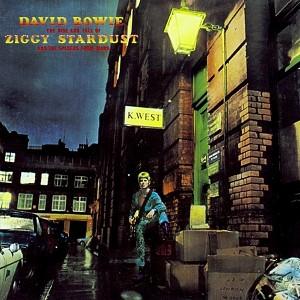
The Rise and Fall of Ziggy Stardust and the Spiders from Mars brought Ronson’s different musical abilities into a particularly concentrated setting. Released in June 1972, the album featured Bowie with Ronson, Bolder and Woodmansey, its songs moving between direct electric rock, piano-led passages and arrangements of considerable dramatic scope.
The original album presentation identified Ronson as guitarist, pianist and co-arranger with Bowie. Those responsibilities help explain why his presence is felt across the record, including in passages where no prominent guitar solo occurs. The album’s musical identity depends on the organisation of its songs as much as on individual performances.
The band gives the record continuity without making every song sound alike. A compact rocker and a gradually expanding finale can belong to the same album because the musicians retain a recognisable approach to phrasing and ensemble playing. Ronson’s guitar is one of the most audible links between these different settings.
“Moonage Daydream”: guitar within a complete arrangement
“Moonage Daydream”, highlighting Mick Ronson’s guitar work within the song’s dramatic arrangement.
“Moonage Daydream” is frequently associated with Ronson’s guitar, especially the solo that extends the recording’s final section. Yet the effect of that passage depends on the musical setting leading towards it. The arrangement creates a sense of scale before the guitar becomes its most prominent voice.
The opening attack establishes confidence and weight, while the vocal passages retain room for Bowie’s phrasing. As the recording develops, instrumental colours widen the setting around the singer. Ronson’s contribution to the arrangement helps connect those elements, allowing the final guitar statement to feel like an expansion of the song.
His solo combines sustained notes, melodic shapes and changes in intensity. The expressive effect comes from how the phrases unfold, rather than from the number of notes played. The guitar can sound urgent while maintaining a clear relationship to the underlying chords and the movement of the rhythm section.
“Ziggy Stardust”, “Hang On to Yourself” and “Suffragette City”
The title song “Ziggy Stardust” demonstrates Ronson’s ability to make a guitar figure central to a recording’s identity. Its opening is recognisable before the vocal enters. The part gives the song a musical signature, while subsequent phrases reinforce the narrative without requiring the guitar to remain equally prominent throughout.
“Hang On to Yourself” creates a different effect through speed, rhythmic focus and the close interaction of the band. Here the playing emphasises momentum. The instrumental contribution is inseparable from the movement of bass and drums, making the track especially useful for hearing the Spiders as an ensemble.
“Suffragette City” adds another form of energy, with its sharp changes, emphatic instrumental punctuation and insistent forward drive. Ronson’s role is part of a recording whose force comes from coordination. Guitar, keyboards, rhythm and voice work together to make the song feel larger than any isolated part.
“Starman” and the Top of the Pops appearance
David Bowie and Mick Ronson performing “Starman” on Top of the Pops, broadcast on 6 July 1972.
The BBC broadcast of “Starman” on Top of the Pops on 6 July 1972 became a defining moment in the public presentation of Bowie and the Spiders. Ronson stood beside Bowie, visibly involved in a performance that brought their musical partnership into homes far beyond the concert audience.
Bowie’s gesture of putting an arm around Ronson is among the appearance’s most remembered images. It placed the two performers together within the television frame, making their closeness part of the presentation. The moment belongs to the visible evidence of the broadcast; interpretations of its cultural impact should be distinguished from unsupported claims about private intentions.
Musically, “Starman” offered an accessible route into the Ziggy album. Its melodic shape and chorus contrasted with some of the record’s harder passages. Ronson’s supporting presence suited that balance, showing that the guitarist associated with powerful rock performances could also contribute to a bright and carefully shaped pop song.
Becoming a visual partner on stage
During the Ziggy period, Ronson became an increasingly recognisable performer in his own right. His blond hair, stage clothes and guitar stance provided a distinct presence beside Bowie. Their differences in appearance could be used within the show, allowing the guitarist and singer to occupy related but separate roles.
Concert photographs and surviving footage show moments in which Bowie directed attention towards Ronson’s playing. The audience could watch a musical exchange become part of the performance’s visual language. The guitar was an instrument, but it also became an object around which gestures and stage relationships could be organised.
The guitar sound: Les Paul, Marshall and wah pedal
Mick Ronson’s guitar sound: Gibson Les Paul, Marshall amplification and wah pedal.
Ronson’s early Bowie sound is closely associated with a Gibson Les Paul, Marshall amplification and a wah pedal. Producer Ken Scott has described his practice of finding a useful position on the wah and leaving it there, using the pedal to shape the tone rather than continuously sweeping through its range.
This approach helps explain the focused, vocal-like quality heard in many of his guitar passages. A fixed wah position emphasises part of the frequency range, making notes cut through an arrangement differently from an untreated guitar signal. It is a tonal choice, distinct from the more familiar rhythmic movement of a wah effect.
Equipment alone does not explain the performances. The pressure and timing of a bend, the length of a held note and the attack at the beginning of a phrase remain decisions made by the player. Similar instruments can provide a starting point, but they do not reproduce those choices automatically.
Ken Scott on Ronson’s studio contribution
“He was exceedingly important to David’s success.”
Touring with the Spiders from Mars
The Ziggy performances developed across touring in Britain, North America and Japan. Ronson worked within a band whose responsibilities expanded as the shows reached new audiences. The concert repertoire also extended beyond the newest album, requiring the musicians to connect songs from different stages of Bowie’s career.
That repertoire gave Ronson several kinds of work within a single evening. He could supply the force of a fast electric number, support a more restrained vocal performance and then take a substantial instrumental passage. The show’s variety depended partly on those changes of emphasis.
The presence of pianist Mike Garson during the later touring period further broadened the available textures. Guitar and piano could offer contrasting voices rather than functioning as interchangeable accompaniment. Ronson’s place in the band remained important as its instrumental possibilities expanded.
Santa Monica, 20 October 1972
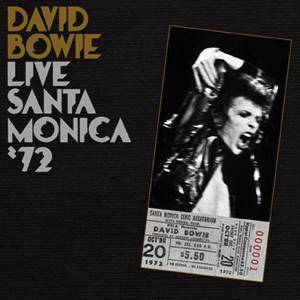
The concert recorded at the Santa Monica Civic Auditorium on 20 October 1972 provides a substantial document of Ronson’s work during Bowie’s first American tour. The performance circulated among collectors before receiving its official release as Live Santa Monica ’72 in 2008.
Its set places recent Ziggy material alongside earlier Bowie songs and selected covers. That breadth makes the recording useful for understanding the band’s working repertoire. Ronson is heard across different tempos and instrumental settings, rather than represented by a compilation of isolated guitar solos.
David Bowie on the Santa Monica recording
“Mick Ronson is at his blistering best.”
— David Bowie, statement accompanying the official announcement of Live Santa Monica ’72, 2008 .
Lou Reed’s Transformer
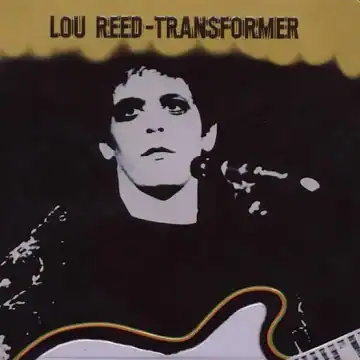
Ronson’s work with Bowie extended into projects for other artists. One of the most important was Lou Reed’s Transformer, released in 1972 and produced by Bowie and Ronson. Ronson contributed instrumental work and arrangements to a record that became a central part of Reed’s solo career.
“Perfect Day” offers a particularly clear example of how a relatively contained song can acquire greater scale through its instrumental treatment. The arrangement’s effect depends on when the surrounding textures expand and how they relate to the vocal. Ronson’s contribution belongs to that broader construction of the recording.
Lou Reed on the Transformer collaboration
“I’m sure Wild Side and Perfect Day wouldn’t have been a hit without David or Ronson.”
— Lou Reed, interview with Mark Radcliffe, BBC Radio 2, quoted in David Bowie’s official archive, 2007 .
Mott the Hoople and the beginning of the Ian Hunter connection
Bowie’s involvement with Mott the Hoople in 1972 also brought Ronson into contact with Ian Hunter. On the album All the Young Dudes, Ronson arranged the orchestral accompaniment to Hunter’s “Sea Diver”. This connection preceded his later membership of Mott the Hoople.
“Sea Diver” gives the arranger a different kind of task from a forceful guitar-led song. Its effect depends on supporting a vocal narrative and allowing instrumental weight to develop around it. Ronson’s work in such settings demonstrates how his skills could be applied beyond Bowie’s particular style.
Aladdin Sane: guitar in a changing band sound
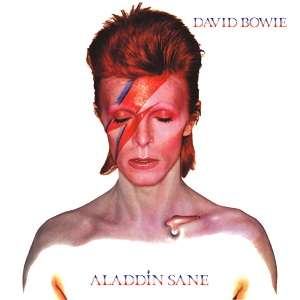
Released in April 1973, Aladdin Sane retained Ronson, Bolder and Woodmansey while giving Mike Garson’s piano a prominent role. The result expanded the band’s sound without removing the electric guitar from its centre. Ronson’s playing remained essential to the force of several recordings.
The guitar and piano often supply contrasting kinds of tension. Garson’s contributions can introduce angular or unexpected movement, while Ronson provides a more direct electric foundation. Their differences give the arrangements additional range, especially when the songs move between controlled passages and more unsettled instrumental moments.
The official album documentation credits him with guitar, piano and backing vocals. Those credits reflect the breadth of his involvement and help keep individual instrumental responsibilities clear. The celebrated piano solo on the title track is Garson’s performance; Ronson’s importance elsewhere on the record does not require that distinction to be blurred.
“The Jean Genie”, “Panic in Detroit” and “Cracked Actor”
“The Jean Genie” shows how much character Ronson could give to a direct, repeating guitar figure. The recording’s identity depends on the relation between the riff, the rhythm section and Bowie’s vocal delivery. Its strength comes from persistence and placement rather than continuous instrumental complexity.
“Panic in Detroit” places the guitar within a different rhythmic setting. The part contributes weight while allowing the percussion and vocal arrangement to remain active around it. The recording demonstrates that a forceful guitarist can work effectively within a groove whose interest depends on several simultaneous elements.
On “Cracked Actor”, the electric attack is especially sharp. The guitar’s sound suits the abrasive character of the performance, giving the song a defined edge. Its impact is tied to the compactness of the arrangement: instrumental force arrives within a song that moves quickly and leaves little room for unnecessary expansion.
Hammersmith Odeon, 3 July 1973
David Bowie’s farewell to the Ziggy Stardust touring era at the Hammersmith Odeon on 3 July 1973, with Mick Ronson on guitar.
The concert at the Hammersmith Odeon on 3 July 1973 became the decisive public ending of the Ziggy touring period. Before the final song, Bowie announced that this would be the last show they would ever do. The statement acquired lasting significance because it brought a successful stage identity to an abrupt conclusion.
Jeff Beck also appeared during the concert, bringing another important guitarist into the evening’s musical history. Later restored editions incorporated material absent from earlier versions of the film. Different releases therefore need to be distinguished when discussing what a viewer can actually see and hear.
The farewell did not end all contact or recording work between Bowie and Ronson. It ended a particular touring chapter and public presentation. Their subsequent involvement in Pin Ups and The 1980 Floor Show makes it inaccurate to describe the Hammersmith announcement as the final moment of their professional partnership.
Pin Ups: continuing after Ziggy
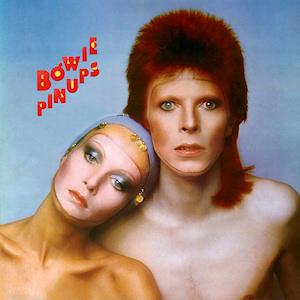
Ronson remained involved when Bowie recorded Pin Ups in France during 1973. Released that October, the album revisited songs associated with the British music Bowie had encountered during the 1960s. Its official credits identify Ronson on guitar, piano and vocals, as well as arrangements.
The band differed from the established Spiders line-up. Trevor Bolder remained on bass, Mike Garson contributed keyboards and Aynsley Dunbar played drums. This combination demonstrates why the album should not be treated simply as another recording by an unchanged touring group.
Songs such as “Sorrow” and “See Emily Play” reveal different approaches within the album. One can benefit from relative restraint, while another invites more conspicuous contrasts and transformations. Ronson’s contribution helped make those choices audible, bringing his arranging and instrumental skills to a project whose character differed from the records immediately preceding it.
The 1980 Floor Show, filmed in 1973
David Bowie and Mick Ronson in The 1980 Floor Show, filmed at London’s Marquee Club in October 1973.
Despite its title, The 1980 Floor Show belongs to 1973. The television production was filmed at London’s Marquee Club in October and broadcast in the United States through The Midnight Special. Ronson participated in this final major presentation associated with Bowie’s Ziggy appearance.
The programme brought together music, costumes and specially organised performance sequences. It was a television production rather than a straightforward continuation of the earlier tour. That distinction matters when placing it after the Hammersmith farewell: Bowie could retire a touring character while still using related visual ideas in a new setting.
Lulu and “The Man Who Sold the World”
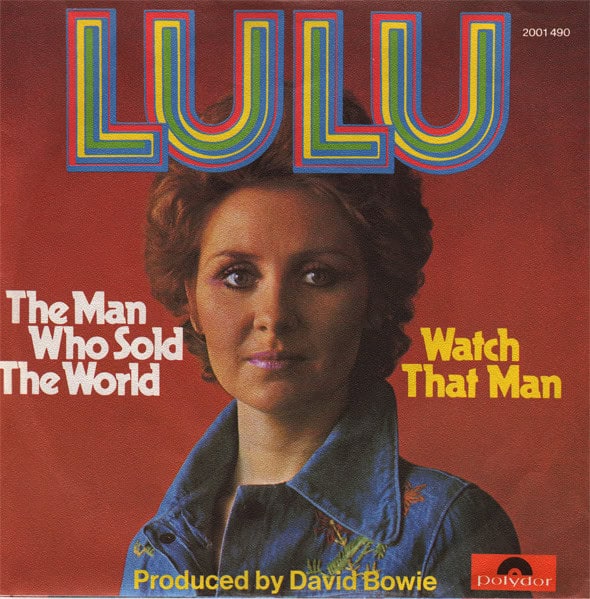
The Bowie–Ronson production partnership also extended to Lulu’s recording of “The Man Who Sold the World”, released as a single in 1974. The recording gave a song from Bowie’s earlier catalogue a new setting built around another singer’s voice.
Bowie’s official archive credits Bowie and Ronson with production and arrangement. Their work should be distinguished from the original Bowie recording: this was a separate interpretation, not an alternative lead vocal placed over the 1970 album track.
Lulu’s version reached number three in the UK singles chart. Its success provides a concrete example of Ronson’s contribution beyond the Spiders’ concerts and Bowie’s own albums, showing his involvement in a commercially successful recording for another artist.
Slaughter on 10th Avenue: the first solo album
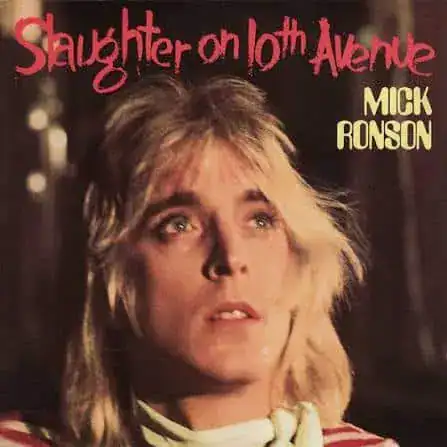
Ronson’s first solo album, Slaughter on 10th Avenue, appeared in 1974. It placed him at the centre of a record under his own name, giving listeners a different relationship to the musician previously seen most prominently beside Bowie. The album reached number nine in the UK.
Its combination of songs and instrumental material reveals interests broader than a collection of guitar solos. Ronson took on lead vocals as well as instrumental responsibilities, while the title piece gave him room to develop a substantial guitar interpretation. The record should be heard as an album with varied aims.
Mott the Hoople and Ian Hunter’s solo career
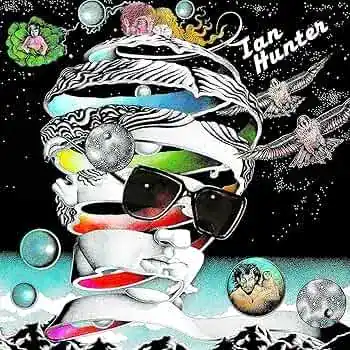
Ronson briefly joined Mott the Hoople in 1974, participating in the period associated with “Saturday Gigs”. His time in the band was short, but it developed the connection with Ian Hunter that had begun through earlier recording work.
When Hunter moved into a solo career, Ronson became an important partner in that next stage. His involvement in Hunter’s self-titled 1975 album placed his guitar within another distinctive songwriter’s music. The relationship would continue through further recordings and live work.
Play Don’t Worry and a broader solo repertoire
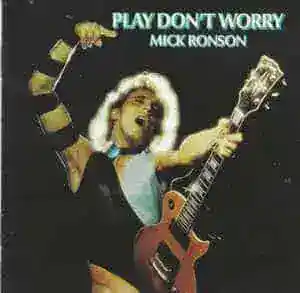
The second solo album, Play Don’t Worry, followed in 1975 and reached number 29 in the UK. Its repertoire further demonstrated Ronson’s interest in interpreting other writers’ songs alongside material associated with his own musical circle.
“Angel No. 9” became particularly associated with his interpretation. It provides a setting in which the guitar can develop expressive phrases without losing contact with the song underneath. The performance is useful for hearing Ronson as a featured artist rather than extracting his playing from a Bowie recording.
Bob Dylan and the Rolling Thunder Revue
Ronson joined Bob Dylan’s Rolling Thunder Revue during the 1975–1976 period. The touring ensemble placed him among musicians with backgrounds extending across folk, rock and other traditions. Its arrangements provided another setting in which his electric guitar could contribute to an established songwriter’s performance.
The surviving recordings reveal how an electric guitarist can add pressure and definition without dominating every passage. A line can answer a vocal, reinforce a changing section or cut through an ensemble moment. Those functions connect Ronson’s Rolling Thunder work to skills already evident in his earlier recordings.
Roger McGuinn and Cardiff Rose
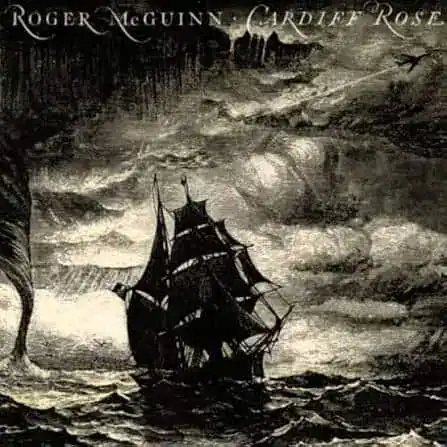
The Rolling Thunder connections extended into Roger McGuinn’s Cardiff Rose, released in 1976 and produced by Ronson. The album brought his production work into focus, showing how the musical relationships formed on tour could continue in the studio.
Producing required attention to the whole record, including repertoire, instrumental balance and the atmosphere of individual songs. Ronson’s guitar remained part of the music, but the responsibility extended beyond his own performance. McGuinn’s voice and songwriting needed a setting appropriate to their particular character.
Production work and new musical generations
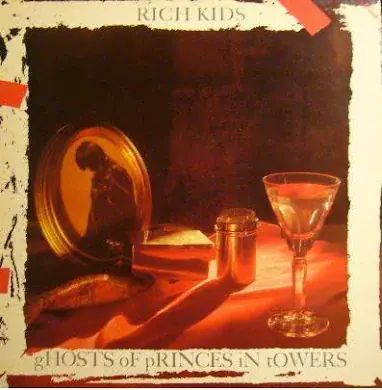
Ronson’s later work brought him into contact with musicians outside the immediate circle of early 1970s glam rock. His production of Rich Kids’ Ghosts of Princes in Towers, released in 1978, is one example of his involvement with a younger group emerging in a changed musical environment.
The continuing partnership with Ian Hunter
Ronson and Hunter continued working together after their first solo collaboration. You’re Never Alone with a Schizophrenic, released in 1979, and the live album Welcome to the Club became important documents of their ongoing musical relationship.
The studio and concert settings reveal different aspects of the partnership. A studio recording allows instrumental parts and arrangements to be fixed within a particular version. A live album shows how those decisions are carried into performance, where phrasing and the relationship between musicians can develop differently.
John Mellencamp and “Jack & Diane”
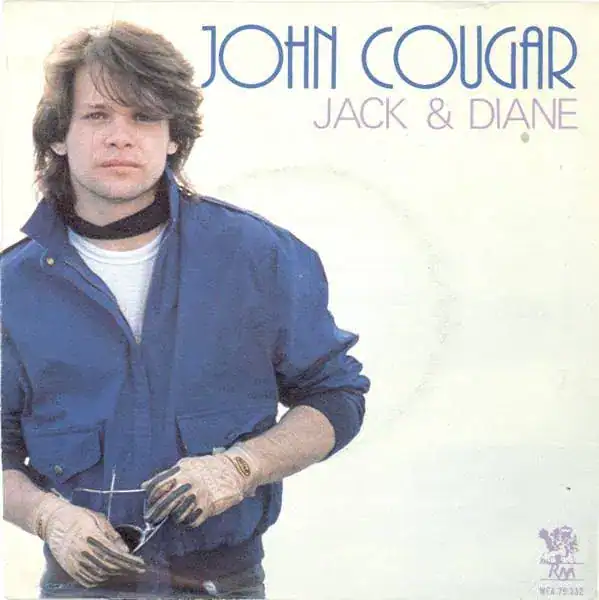
Ronson’s involvement in John Mellencamp’s “Jack & Diane”, released on American Fool in 1982, provides another example of his contribution to an arrangement. The song belongs to Mellencamp’s songwriting catalogue, while Ronson helped develop aspects of its recorded form.
Mellencamp has credited Ronson with helping bring the track into a workable shape. Such testimony is important because arranging decisions are not always obvious from a brief album credit. A musician can make a decisive contribution to a recording without becoming its songwriter or principal performer.
A guest reunion during the Serious Moonlight period
Ronson and Bowie occasionally appeared together after their main early 1970s collaboration. One such reunion occurred during the Serious Moonlight period in 1983, when Ronson joined Bowie on stage in Toronto for “The Jean Genie”.
The choice of song connected the appearance directly to their shared repertoire. “The Jean Genie” had been part of the earlier partnership, making it a suitable setting for the returning guitarist. The reunion could draw on familiarity without requiring the whole concert to recreate the Ziggy period.
Hunter and Ronson’s YUI Orta
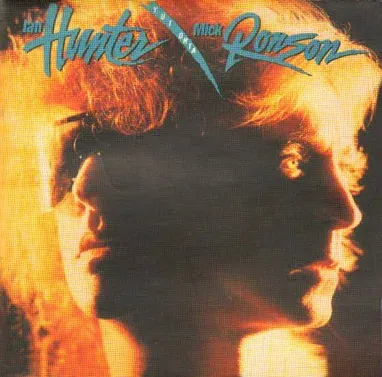
In 1989, Hunter and Ronson released YUI Orta under their joint names. The album gave explicit recognition to a musical partnership that had developed through earlier studio recordings and concert performances.
The Freddie Mercury Tribute Concert, 20 April 1992
Ian Hunter, David Bowie and Mick Ronson performing “All the Young Dudes” with Queen at the Freddie Mercury Tribute Concert, Wembley Stadium, 20 April 1992.
On 20 April 1992, Ronson appeared at the Freddie Mercury Tribute Concert at Wembley Stadium. The event brought him together with Bowie and Hunter in a setting dedicated to Mercury’s memory and AIDS awareness, with the surviving members of Queen central to the performances.
Ronson participated in “All the Young Dudes” with Hunter, Bowie and Queen, and in “Heroes” with Bowie and Queen. These performances connected different stages of his history: the Hunter partnership, the earlier Bowie association and a song recorded after his main period in Bowie’s band.
Morrissey’s Your Arsenal
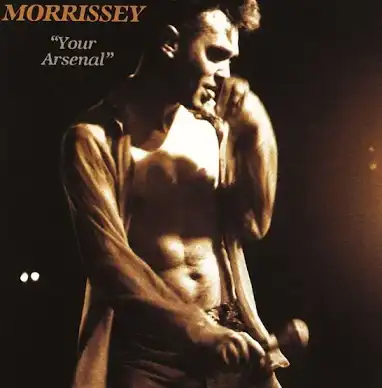
Released in 1992, Morrissey’s Your Arsenal brought Ronson’s production experience to a singer whose career had developed in a later musical generation. The album placed a strong band sound around Morrissey’s voice and became an important example of Ronson’s late production work.
The record’s guitar-led force makes the glam connection audible, but the music remains Morrissey’s project. Ronson’s production supported the singer and his band rather than turning the album into an imitation of Bowie. Its identity depends on that relationship between an established vocalist and an experienced producer.
Songs such as “Glamorous Glue” and “You’re Gonna Need Someone on Your Side” demonstrate the album’s direct electric presence. Other tracks use a different scale, allowing changes of mood within the record. Production involves sustaining those contrasts while giving the album a coherent overall sound.
“I Feel Free” and Black Tie White Noise
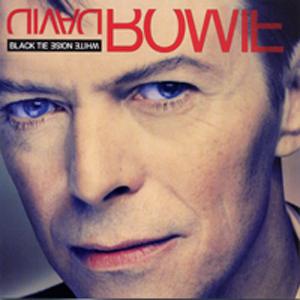
Ronson’s final Bowie studio-album appearance was on “I Feel Free”, included on Black Tie White Noise in 1993. The recording reunited him with Bowie within a new studio project, rather than through the reissue of material from the Ziggy years.
The song, originally recorded by Cream, also connected with music Bowie and Ronson had performed much earlier. Returning to it in a different arrangement created a relationship between past repertoire and the newer album’s sound. Ronson’s lead guitar formed part of that renewed interpretation.
His contribution should be stated specifically. He played on this track; he was not the guitarist throughout Black Tie White Noise. The album involved several musicians and different instrumental combinations, with his appearance functioning as a guest contribution within that wider production.
Death and the loss of a working musician
Mick Ronson died in London on 29 April 1993, aged 46, following illness with liver cancer. His death came during a period in which his recent production work and renewed contact with Bowie demonstrated that he remained musically active.
The loss was therefore more than the passing of a performer associated with a celebrated earlier era. Ronson was still contributing to recordings, working with established collaborators and applying his experience to new projects. His catalogue at the time of his death contained both historical landmarks and recent work.
Final recordings and Heaven and Hull
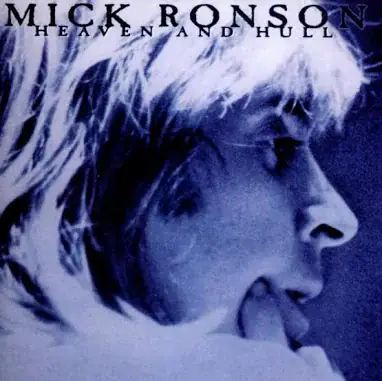
Ronson’s final solo album, Heaven and Hull, was released posthumously in 1994. It brought together his own music and contributions from friends and collaborators, becoming a final major chapter in the catalogue issued under his name.
Bowie contributed lead vocals to “Like a Rolling Stone” and backing vocals to “Colour Me”. The album also included the live version of “All the Young Dudes” from the Freddie Mercury Tribute Concert, on which Bowie contributed backing vocals and saxophone.
Those appearances extend the documented Bowie–Ronson connection beyond a simple list of Bowie albums featuring Ronson. Here Bowie contributed to a Ronson release. The direction of the collaboration changed, making the record an important counterpart to Ronson’s guest appearance on Black Tie White Noise.
Legacy beyond the image of Ziggy’s guitarist
Ronson’s association with Ziggy Stardust remains the most familiar route into his work. That connection is historically substantial: his guitar, arrangements and stage presence contributed directly to the recordings and performances through which Bowie reached a much wider audience.
His legacy becomes richer when the other responsibilities are considered alongside the image. He could arrange strings, play piano, support a singer, produce a record and adapt to an unfamiliar ensemble. Those abilities explain the range of artists who worked with him across more than two decades.
The solo albums also deserve a place within that assessment. They show choices made under his own name, extending the musical portrait beyond a sequence of supporting roles. His work with Hunter, Dylan, Reed, McGuinn, Mellencamp and Morrissey adds further contexts in which the same musician can be heard differently.
Archive releases and Beside Bowie
Beside Bowie: The Mick Ronson Story (2017), a documentary directed by Jon Brewer about Ronson’s life and career.
Subsequent releases have made more of Ronson’s work available to listeners. Official editions of live recordings, expanded album collections and material documenting Bowie’s early 1970s development allow the guitarist’s contribution to be examined across different versions and settings.
Collections such as Divine Symmetry and Rock ’n’ Roll Star! place familiar recordings alongside earlier or alternative material. They help reveal the process around the finished albums, while requiring care to distinguish demos, session recordings, broadcasts and concert performances.
The documentary Beside Bowie: The Mick Ronson Story, directed by Jon Brewer and released in 2017, brought additional attention to his career. Its combination of archive material and recollections includes voice-over contributions from Bowie and testimony concerning Ronson’s work beyond the Spiders.
Official Websites & Further Information
Mick Ronson’s sister Maggi Ronson publishes biographical information and recollections about his life and work on her website. Her “About Mick” page provides a family-published account of his career, including contributions from musicians and other people who knew him.
Further information about Ronson’s collaborations can be found in David Bowie’s official archive and on Ian Hunter’s official website, covering two of the most important musical partnerships in his career.
David Bowie — Official Website
Ian Hunter — Official Website
Research Sources & First-Hand Accounts
The research for this page draws on official album information, archival releases, published interviews and family-published biographical material. First-hand accounts include recollections by Mick Ronson, David Bowie, Tony Visconti, Ken Scott, Michael Chapman and Lou Reed.
The quotations are attributed to their speakers and linked to the publications in which they appear. These published accounts are considered alongside recording credits and surviving performances to document Ronson’s work as a guitarist, arranger and producer.
Article Origin
This article has been researched and written for DavidBowieWorld.com as part of the David Bowie Collaborations & Creative Circle Archive. It follows Mick Ronson’s career from his early musical experiences in Hull through his work with Bowie, solo recordings and later collaborations.
The article is based on publicly available sources. Quotations, historical information and referenced archive material are credited to their respective sources.
© DavidBowieWorld.com — David Bowie Collaborations & Creative Circle Archive.
