
Ken Scott – Producer and Engineer for David Bowie

Photo: Raph_PH / Wikimedia Commons / CC BY-SA 2.0 — Wikimedia file page
Ken Scott is a British record producer and recording engineer whose work with David Bowie spans a crucial period in Bowie’s development. Scott first worked with Bowie as an engineer before becoming his co-producer, beginning a studio partnership that continued through four consecutive albums between 1971 and 1973.
Scott worked as an engineer on recordings for the album later known as Space Oddity and on The Man Who Sold the World, before he and Bowie co-produced Hunky Dory, The Rise and Fall of Ziggy Stardust and the Spiders from Mars, Aladdin Sane and Pin Ups. During those years, Scott witnessed Bowie’s transition from an artist still seeking sustained commercial success into an international rock star.
- Born: 20 April 1947, London, England
- Profession: Record producer, recording engineer
- Bowie connection: Engineer (1969–1970); co-producer and engineer (1971–1973)
- Bowie albums: Space Oddity, The Man Who Sold the World, Hunky Dory, The Rise and Fall of Ziggy Stardust and the Spiders from Mars, Aladdin Sane and Pin Ups
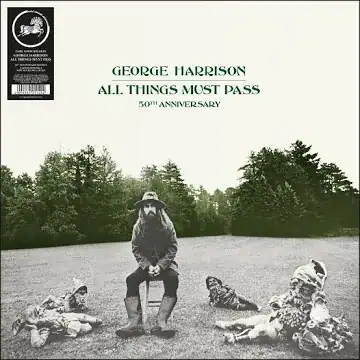
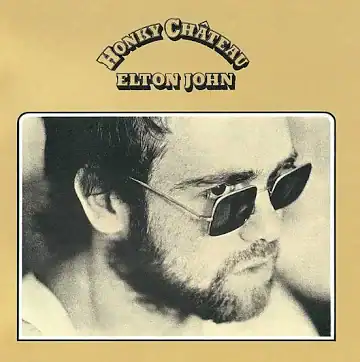
- Also worked with: The Beatles, George Harrison, Elton John, Supertramp, Jeff Beck, Mahavishnu Orchestra and others
Early career at EMI and Abbey Road
Ken Scott entered the recording industry remarkably young. In January 1964, at the age of sixteen, he began working at EMI Recording Studios in London, the complex later renamed Abbey Road Studios. His arrival placed him inside one of Britain’s leading recording centres at a time when recording technology and studio practice were developing rapidly.
Scott learned the craft from the ground up and eventually progressed to engineering sessions for The Beatles. His work during the 1960s exposed him to increasingly experimental approaches to recording, editing and mixing, as the studio itself became an important creative tool.
That experience provided the technical foundation for Scott’s later career. Just as importantly, working in an environment where unconventional ideas could be tried taught him that technical perfection was not always more important than the character of a performance.
From Abbey Road to Trident Studios
Scott later left EMI and joined Trident Studios in London’s Soho. The independent studio offered a less formal working environment and became an important centre for British rock and pop recording during the late 1960s and early 1970s.
The move also proved decisive for Scott’s relationship with David Bowie. Trident became closely associated with a crucial phase of Bowie’s recording career, and it was there that Scott’s role eventually developed from engineer into co-producer.
First recordings with David Bowie
Scott’s association with Bowie began before the producer-artist partnership for which they later became known. On the 1969 album originally issued as David Bowie in the UK and Man of Words/Man of Music in the United States, and later reissued under the title Space Oddity, Scott worked as a recording engineer on much of the album.
His role must be distinguished from that of the producers. Tony Visconti produced most of the album, while the hit recording of Space Oddity itself was produced by Gus Dudgeon. Scott was therefore involved from the engineering side rather than as Bowie’s producer.
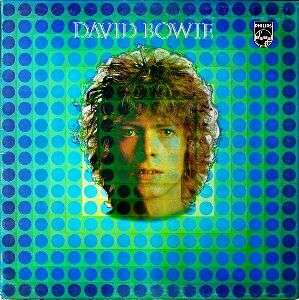

These sessions gave Scott direct experience of Bowie’s working methods before the sustained success of the early 1970s. Scott later recalled that although he liked Bowie and recognised his talent, he did not initially imagine that the singer would become a major international star.
The Man Who Sold the World
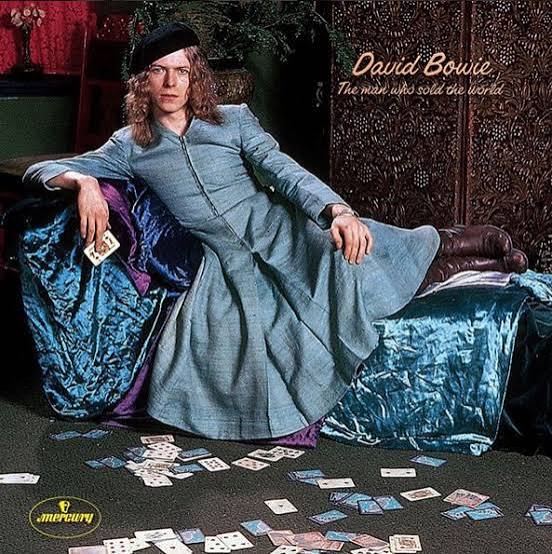
Scott’s connection with Bowie continued during work on The Man Who Sold the World. Tony Visconti again served as producer, while Scott worked on overdubs and mixing as an engineer.
The album represented a substantial musical change from much of Bowie’s previous work. Mick Ronson‘s guitar, Visconti’s bass and Mick “Woody” Woodmansey‘s drums contributed to a heavier, more electric sound, bringing together musicians who would become increasingly important in the next stage of Bowie’s career.
By the time Bowie began preparing the material that became Hunky Dory, Scott was also looking for a change in his own career and wanted greater creative involvement than engineering alone offered.
From engineer to co-producer
Ken Scott on the creation of Hunky Dory
Scott has explained that he had begun to find engineering less satisfying because sessions were becoming repetitive and he wanted more artistic input. During this period Bowie was preparing a new album and was not entirely comfortable producing it alone.
Bowie offered Scott the opportunity to co-produce the project. Scott has described Hunky Dory as his first “real” production assignment, making the album an important turning point in both his career and his relationship with Bowie.
Scott’s production philosophy suited Bowie’s desire for greater control over his own music. Rather than imposing a predetermined sound, Scott preferred to give artists the space to develop their ideas and intervene when he believed guidance was needed.
Ken Scott on producing artists
“I like the idea that it is the artist’s record, not mine!”
Hunky Dory – the first Bowie–Scott production

Released in December 1971, Hunky Dory was the first album co-produced by David Bowie and Ken Scott. It began a sequence of four consecutive Bowie studio albums on which the two shared production duties.
The musicians included Mick Ronson, Trevor Bolder and Woody Woodmansey, while Rick Wakeman contributed piano to several tracks. Together they could move between intimate, piano-led material and more forceful rock arrangements.
Scott later remembered the recording process as remarkably direct. Bowie could demonstrate a song to the musicians on acoustic guitar, explain what he wanted and then allow the band to begin developing the arrangement. Although some of the material had already been rehearsed, other songs came together during the studio sessions themselves.
Songs such as Changes, Oh! You Pretty Things, Life on Mars?, Quicksand and Queen Bitch demonstrated Bowie’s rapidly expanding range as a songwriter. The album did not immediately make him a major commercial star, but the partnership established during the sessions continued almost without interruption into the next project.
From Hunky Dory to Ziggy Stardust
Ken Scott on Hunky Dory and the development of Ziggy Stardust
Scott has recalled that work on what became The Rise and Fall of Ziggy Stardust and the Spiders from Mars began before Hunky Dory had even been released.
The musical direction was changing. Bowie told Scott that the new material would be more rock and roll and apparently wondered whether his co-producer would respond positively to it. Scott did, and the partnership continued.
The harder-edged sound of Bowie, Mick Ronson, Trevor Bolder and Woody Woodmansey required a different approach from some of the piano-led material on Hunky Dory, while retaining the immediacy of the performances.
The Rise and Fall of Ziggy Stardust and the Spiders from Mars

Recorded primarily at Trident Studios and released in June 1972, The Rise and Fall of Ziggy Stardust and the Spiders from Mars became the album most closely associated with Bowie’s breakthrough as a major rock star. Bowie and Scott again shared production duties.
Mick Ronson was central to the recordings through his guitar playing, keyboard work and arrangements, while Trevor Bolder and Woody Woodmansey supplied the bass and drums that formed the core of the Spiders from Mars.
Scott’s later recollections emphasise the importance of preserving complete performances rather than continually correcting them. One of his most striking memories concerns Bowie’s ability as a vocalist.
Ken Scott on David Bowie’s vocals
“Somewhere between 90–95% of the final vocals were one take, the first take.”
Scott has said that this applied across the four albums he co-produced with Bowie. Once the vocal sound and level had been established, Bowie would often sing the complete song and that performance would remain on the finished record.
Aladdin Sane

The Bowie–Scott partnership continued with Aladdin Sane, released in April 1973. By then Bowie’s circumstances had changed dramatically. The success of Ziggy Stardust had brought extensive touring, international attention and an increasingly demanding schedule.
Much of the new material was written during Bowie’s travels in the United States. Pianist Mike Garson became an important addition to the musical palette, most famously through his distinctive avant-garde piano solo on the title track.
A revealing example of Scott’s production decisions can be heard on Watch That Man. He deliberately mixed Bowie’s lead vocal unusually low, allowing it to sit within the dense sound of the band rather than dominating it. MainMan and later RCA each asked for versions with a louder vocal, but after hearing the alternatives both preferred Scott’s original mix.
Scott later admitted that he questioned that decision when listening back to the record, but the original low-vocal mix remained on the album. The episode provides a rare example of disagreement over a Bowie mix during the period Scott worked with him.
Pin Ups – the final Bowie–Scott studio album
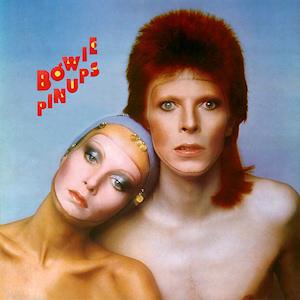
Later in 1973, Bowie and Scott co-produced their fourth and final studio album together, Pin Ups. Instead of new Bowie compositions, the album presented interpretations of songs associated with artists Bowie had admired during his formative years in London’s 1960s music scene.
The project came at a moment of major transition. On 3 July 1973, Bowie had ended the Ziggy Stardust tour at London’s Hammersmith Odeon with the unexpected announcement that it was “the last show we will ever do”, bringing the established Spiders from Mars era to a dramatic close.
The subsequent Pin Ups sessions took place amid changes in the band. Scott later described the atmosphere as different from the preceding Bowie albums and identified Pin Ups as the most difficult of the four records they made together.
Pin Ups completed the sequence of four Bowie–Scott co-productions. Their studio partnership did not continue onto Diamond Dogs, which Bowie produced himself, while Scott moved on to an increasingly diverse series of production projects with other artists.
Ken Scott‘s production philosophy
Ken Scott on working with David Bowie in the studio
Scott’s work with Bowie demonstrates a production approach based less on imposing a recognisable personal sound than on responding to the artist and the material. This was particularly suited to Bowie, whose music changed quickly during the short period in which the two men worked together as co-producers.
The piano-centred arrangements of parts of Hunky Dory, the harder rock sound of Ziggy Stardust, the expanded musical language of Aladdin Sane and the reinterpretations of 1960s material on Pin Ups required different responses rather than one repeated production formula.
Scott has also stressed the importance of performance over technical perfection. His memories of Bowie’s first-take vocals reflect an approach in which an emotionally convincing performance could be more valuable than repeated attempts to remove every imperfection.
Work beyond David Bowie
Scott’s career extends far beyond his work with Bowie. His early engineering credits included The Beatles, and he subsequently worked with a wide range of artists across rock, pop and jazz fusion.
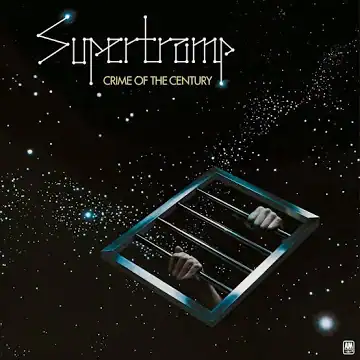
He worked on recordings involving George Harrison and Elton John, while his production career included major projects with Supertramp. Scott produced the band’s 1974 album Crime of the Century and continued working with them on Crisis? What Crisis?.
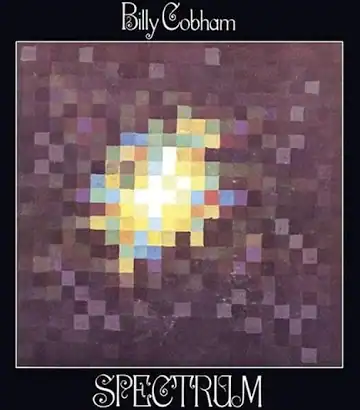
His credits also include work with Mahavishnu Orchestra, Billy Cobham, Stanley Clarke, Jeff Beck, Devo, The Tubes and other artists. The range of those projects demonstrates that Scott’s career was never limited to the glam-rock period with which his Bowie productions became associated.

Looking back on David Bowie
Ken Scott revisiting the Hunky Dory master tapes
In later decades, Scott became an important first-hand source on Bowie’s early-1970s studio work. Through interviews, public appearances and his memoir, he has described the recording methods, musicians and working atmosphere surrounding the albums.
His perspective is especially valuable because he knew Bowie in two different professional contexts: first as an engineer during the period before Hunky Dory, and then as Bowie’s co-producer during the rapid rise from Hunky Dory through the Ziggy Stardust phenomenon and into 1973.
Scott has recalled that because he worked with Bowie continuously during this period, the singer’s changes did not always appear as dramatic from inside the studio as they did to people who encountered Bowie only occasionally. What impressed him increasingly was Bowie’s ability to commit to an idea and deliver performances quickly once recording began.
Legacy
Ken Scott occupies a distinctive place in David Bowie’s recording history. He was present first as an engineer during the recordings associated with Space Oddity and The Man Who Sold the World, then became Bowie’s co-producer for four consecutive albums: Hunky Dory, The Rise and Fall of Ziggy Stardust and the Spiders from Mars, Aladdin Sane and Pin Ups.
Those recordings document one of the fastest periods of artistic change in Bowie’s career. Scott’s role developed alongside that transformation, from recording engineer to a co-producer trusted to help Bowie’s ideas take shape without forcing them into a fixed production style.
His later testimony also provides detailed first-hand evidence of how those records were created: Bowie’s rapid vocal performances, the working methods of Mick Ronson, Trevor Bolder and Woody Woodmansey, the changing musical character of each album and the decisions made behind the console.
From his early engineering work to the four-album production partnership that followed, Ken Scott was directly involved in a decisive chapter of David Bowie’s development as a recording artist.
Official Website & Further Information
Further information about Ken Scott‘s career and studio work can be found in his published interviews and in his memoir Abbey Road to Ziggy Stardust: Off the Record with The Beatles, Bowie, Elton & So Much More, written with Bobby Owsinski.
Article Origin
This DavidBowieWorld archive article documents Ken Scott‘s professional relationship with David Bowie, from his engineering work on Bowie’s early recordings through the four albums that Scott co-produced with Bowie between 1971 and 1973. The chronology is based on established recording credits and Ken Scott’s own published recollections of the sessions.
© DavidBowieWorld.com — David Bowie Collaborations & Creative Circle Archive.
