
Mike Garson – The Pianist Who Shaped David Bowie’s Sound
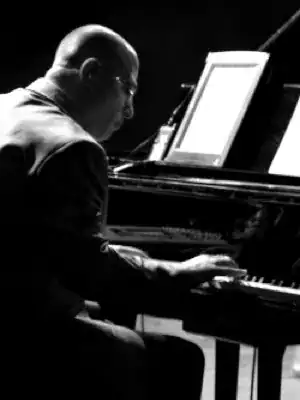
Mike Garson, often described as “The Piano Man”, brought one of the most recognisable instrumental voices to the music of David Bowie. Their collaboration began in September 1972, when Garson joined the American Ziggy Stardust tour. His piano subsequently became an essential feature of Aladdin Sane and a recurring presence in Bowie’s studio recordings and concerts.
Garson could bring rhythmic precision, lyrical detail or unsettling improvisation to an arrangement. The celebrated solo in “Aladdin Sane” established his reputation among rock listeners, but his contribution also included the theatrical piano of “Time”, the elegance of “Lady Grinning Soul” and the exposed performances heard on Reality.
His work with Bowie was intermittent rather than continuous. Between and alongside those projects, Garson developed an independent career in jazz, composition, film music and education. That wider musical life helps explain the range he brought to their partnership.
- Name: Mike Garson
- Nickname: “The Piano Man”
- Born: 29 July 1945, Brooklyn, New York, USA
- Roles: Pianist, keyboard player, composer and educator
- First work with Bowie: September 1972
- First Bowie studio album: Aladdin Sane (1973)
- Collaboration: Intermittent studio and live work from 1972 onward
- Key recordings: Aladdin Sane, Diamond Dogs, Outside, Earthling and Reality
- Life on Mars?: Important live interpreter; Rick Wakeman played piano on the original 1971 recording
- Final public performance with Bowie: 9 November 2006, New York
Brooklyn beginnings and a serious musical education
Mike Garson was born in Brooklyn on 29 July 1945. He began piano lessons at seven and developed his musical skills through years of study and practice. Long before he appeared in Bowie’s band, the piano was already the centre of his working life.
His early education included classical music, while jazz introduced different possibilities for harmony, rhythm and spontaneous invention. These interests developed together. Classical study offered technical resources and an understanding of musical structure; improvisation allowed him to make decisions within a performance.
Garson’s formative musical encounters included Lennie Tristano and Hal Overton. He also recalled an extended lesson with Bill Evans in 1964. These were different kinds of educational experience, but each belongs to the background of a musician whose interests reached beyond one established style.
Jazz pianists such as Erroll Garner and Dave Brubeck were among his early listening interests. Garson also described playing blues with a neighbouring guitarist during his childhood. His development therefore involved formal instruction, listening and the practical experience of making music with someone else.
The biographical account by Scott Yanow traces this early foundation. It helps place Garson’s later rock performances in context: the speed and range heard on Bowie’s records grew from an established musical education, rather than appearing suddenly during the Aladdin Sane sessions.
Before Bowie: finding a voice beyond established styles
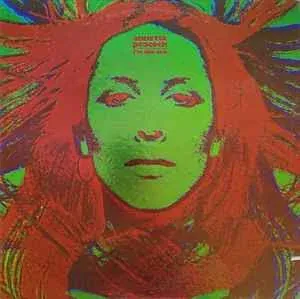
Before joining Bowie, Garson had already worked in several musical settings, including the band Brethren and projects associated with Annette Peacock. His early recording history shows a musician moving between ensemble work, jazz and more experimental music.
Peacock’s approach brought composition, improvisation and electronic sound into contact. Working in that environment gave Garson experience of music that did not depend entirely on conventional verse-and-chorus structures. The association would also become the practical connection that led him to Bowie.
Garson later discussed a distinction between being able to play convincingly in an established style and finding a musical identity of his own. Extensive training had given him considerable technical control, but individual expression required more than reproducing the language of admired musicians.
This distinction is useful when listening to his subsequent recordings. A performance may contain familiar elements of jazz, classical music or blues, yet the organisation of those elements can make the result unmistakably his. Garson’s identity is often heard in how he moves between ideas, rather than in one repeated signature phrase.
His January 2004 interview with Keyboard explores this continuing search for an individual voice. It also makes clear that his development continued long after his first success with Bowie.
Annette Peacock, Mick Ronson and the New York audition
Bowie needed a pianist to expand the sound of the Spiders from Mars on stage. Some songs required keyboard parts that Bowie and Mick Ronson did not want to cover themselves within the existing touring arrangements.
According to Bowie’s own account, Annette Peacock recommended Garson to Ronson. The recommendation led to a brief audition at a recording studio in New York in September 1972. Ronson assessed the playing while Bowie listened.
Garson’s recollections identify “Changes” as the song he played. He remembered arriving from a very different musical environment and being struck by the appearance of Bowie and the Spiders. The decision to hire him was nevertheless made through the music.
David Bowie on Garson’s audition
“Within ten or twenty notes we knew he was the guy.”
— David Bowie, quoted in “Mike Garson — Bowie Speaks, Plus Much More”, 2004.
Garson later recalled an initial engagement of eight weeks. The arrangement developed into a much longer first period of work, covering touring and several studio albums. What began as a practical addition to a stage band became a collaboration with substantial creative possibilities.
Joining the American Ziggy Stardust tour
Garson entered a band with a strong identity. Mick Ronson, Trevor Bolder and Mick Woodmansey had already helped establish the Spiders’ sound. Piano expanded that ensemble without removing its guitar-led foundation.
The American concerts introduced Garson to the practical demands of Bowie’s stage presentation. He needed to support existing arrangements, respond to the singer and recognise the moments in which an additional keyboard voice could make the music more complete.
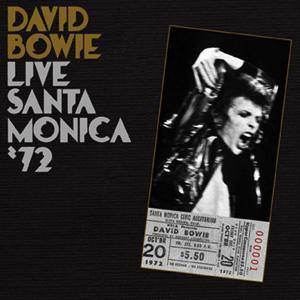
The concert recorded at the Santa Monica Civic Auditorium on 20 October 1972 is an important document. Eventually released officially as Live Santa Monica ’72, it captures Garson within the touring group before Aladdin Sane introduced his playing to a wider record-buying audience.
The piano’s function changes across the repertoire. It can reinforce a rhythmic figure, supply harmony beneath the vocal or contribute detail around the guitar. These supporting roles are part of the history, even when they attract less attention than a prominent solo.
The tour also established an important working balance. Garson could bring an individual musical language to the group while remaining sensitive to arrangements that had already acquired their own character.
Aladdin Sane: a new instrumental voice
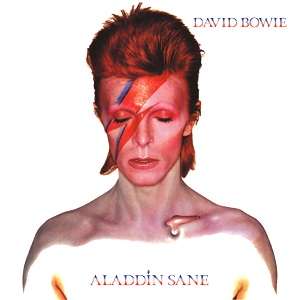
Released in April 1973, Aladdin Sane made Garson a conspicuous presence in Bowie’s recorded music. His piano contributed to the album’s contrasts between forceful rock playing, theatrical gestures and more elaborate harmonic movement.
The record remained a collective achievement. Bowie’s writing and performances, Ronson’s guitar and arrangements, the rhythm section and the production work all shaped its identity. Garson brought another voice into that existing musical relationship.
His contribution is especially apparent in the title track, “Time”, “Lady Grinning Soul” and “Let’s Spend the Night Together”. These songs use piano differently, allowing the instrument to establish atmosphere, drive an arrangement or become a featured dramatic event.
Bowie’s encouragement was important to Garson’s performances. The singer recognised that the pianist could provide something beyond a conventional rock keyboard part and gave him opportunities to do so.
Mike Garson on working with Bowie in the studio
“He’s the best producer for me of anyone I’ve ever had.”
— Mike Garson, interviewed by Hans Morgenstern in June 2004; published by Independent Ethos in 2011.
The Aladdin Sane solo: finding the right approach
“Aladdin Sane” — listen to the piano solo discussed in this chapter, a defining example of Mike Garson’s contribution to Bowie’s music.
Garson’s account of the title-track recording describes several approaches. He first tried a blues solo and then a Latin-influenced one. Bowie wanted something closer to the experimental music Garson had discussed with him.
The avant-garde performance that followed became the solo heard on the released record. Garson has described that selected performance as a single take. The earlier attempts and the final take are separate parts of the session’s history.
Mike Garson on the selected solo
“So I did the solo that everybody knows today, in one take.”
— Mike Garson, quoted in the official announcement of Bowie’s Piano Man, 2014.
The performance changes the listener’s relationship with the song. Rapid figures and abrupt contrasts occupy the foreground while the accompaniment continues beneath them. The tension comes partly from hearing these different kinds of movement together.
Its impact does not depend on speed alone. Changes in register, density and attack give the solo direction. The recording preserves an improvisation that is both immediately recognisable and difficult to reduce to a conventional rock-piano vocabulary.
Time and Lady Grinning Soul
“Lady Grinning Soul” — Mike Garson’s flowing piano is a central feature of the closing track on Aladdin Sane (1973).
“Time” demonstrates another aspect of Garson’s contribution. The piano helps establish a theatrical atmosphere that complements Bowie’s deliberately dramatic vocal delivery. Instrument and voice share the scene rather than remaining in a fixed foreground-and-background relationship.
The performance can be heard in terms of musical gestures. An accented chord, a change of pace or a phrase between vocal lines can influence the song’s dramatic movement. Garson’s contribution is therefore distributed through the arrangement, rather than confined to one isolated moment.
“Lady Grinning Soul” offers a more flowing setting. Its piano part contributes elegance, continuity and an elaborate melodic surface. The relationship between the opening instrumental passage and Bowie’s entrance is central to the song’s effect.
Heard beside the title track, these performances show why Garson’s reputation should extend beyond its avant-garde solo. He could develop an atmosphere through phrasing and touch as convincingly as he could interrupt expectations.
They also reward repeated listening. Following the piano separately reveals responses and connecting passages that may be less apparent when the listener’s attention remains entirely on the vocal. Garson’s musical personality is present in those details as well as in the album’s most conspicuous instrumental passages.
Life on Mars?: Rick Wakeman’s recording and Garson’s live role
Rick Wakeman played piano on the original recording of “Life on Mars?”, released on Hunky Dory in 1971. Mike Garson had not yet joined Bowie. Bowie’s own published recollection identifies Wakeman’s piano contribution and Mick Ronson’s string arrangement.
Garson nevertheless became important to the song’s later performance history. When Bowie recruited him in 1972, “Life on Mars?” was among the material for which the touring band needed a dedicated pianist.
The song requires more than a sequence of recognisable chords. Its piano part helps carry changes in harmony and supports the movement from the verses into the expansive chorus. In performance, that foundation must remain clear while responding to the singer’s phrasing.
Garson brought his own touch and timing to subsequent renditions. His relationship with the song developed through concerts over many years, including the Glastonbury performance in 2000 and the voice-and-piano arrangement at Fashion Rocks in 2005.
Wakeman’s original contribution and Garson’s later interpretations deserve separate recognition. The studio recording established the familiar arrangement; Garson helped sustain and reinterpret the song in Bowie’s live repertoire. Its history contains both achievements.
Bowie’s account of the original recording appears in “Life on Mars? Yesterday and Tomorrow”.
Hammersmith Odeon and the final Ziggy show
Mike Garson – piano medley opening David Bowie and the Spiders from Mars’ concert at the Hammersmith Odeon, London, 3 July 1973.
On 3 July 1973, Bowie and the Spiders performed their celebrated final Ziggy Stardust show at the Hammersmith Odeon. Garson was part of the musical setting of that evening.
With Bowie’s encouragement, he also opened the event with a piano medley of Bowie songs. The medley included “Life on Mars?”, giving Garson an opportunity to interpret the repertoire before the main performance.
An opening medley presents a different musical task from playing within the band. The piano must suggest the character of each song and connect the transitions without depending on the full arrangements familiar from the records.
This aspect of the evening gives an early example of Garson treating Bowie’s songs as material for piano interpretation. It belongs alongside his subsequent solo work, although the later projects developed in their own circumstances.
The official fiftieth-anniversary announcement recalled this opening performance. Garson’s presence connects the show’s historical importance with the individual musicians who helped make the evening work on stage.
Pin Ups and the interpretation of familiar songs
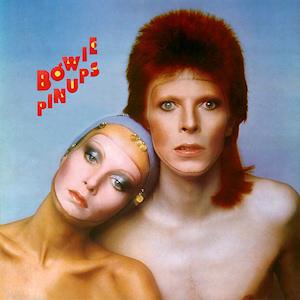
Garson remained involved when Bowie recorded Pin Ups, released in October 1973. The album revisited songs associated with the British music of Bowie’s earlier years.
Ronson and Bolder remained among the musicians, while Aynsley Dunbar took the drummer’s role. Garson’s credits included several keyboard instruments, extending his contribution beyond acoustic piano.
The project offered a different brief from Aladdin Sane. Existing songs arrived with recognisable melodies, rhythms and arrangements. The new performances needed to retain enough of that identity while establishing the current band’s sound.
Keyboard parts could strengthen a rhythmic pattern, alter an instrumental colour or fill a transition. Garson’s role here demonstrates his ability to work within the ensemble’s shared purpose. His contribution did not require every track to become a piano showcase.
The album’s official retrospective documents the personnel and instrumental credits. Pin Ups forms a distinct chapter in the collaboration, with its own repertoire and recording approach.
Diamond Dogs and the Sweet Thing sequence
David Bowie – “Sweet Thing / Candidate / Sweet Thing (Reprise)” from Diamond Dogs (1974), featuring Mike Garson on piano.
Diamond Dogs, released in 1974, placed Garson within a changed recording environment. Bowie was no longer making an album with the Spiders as the same established group.
The sequence comprising “Sweet Thing”, “Candidate” and “Sweet Thing (Reprise)” is particularly important when considering Garson’s work. The piano participates in music that shifts between contrasting dramatic settings.
Unlike a song whose instrumental interest is concentrated in one solo, this extended sequence distributes its changes across a larger structure. Piano helps connect passages while contributing to their differences in texture and intensity.
A delicate phrase can acquire tension through its placement beside a more forceful section. The listener follows the changing relationship between Bowie’s voice and the instruments, rather than hearing one mood repeated.
Garson later identified “Sweet Thing” among his significant contributions to Bowie’s music. Its importance is audible in the recording itself: the piano helps give a long sequence continuity without smoothing away its unsettled character.
David Live and the Tower Theater recordings
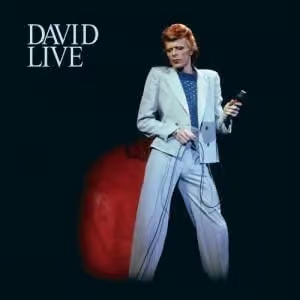
The first part of Bowie’s 1974 touring programme involved an elaborate theatrical presentation. Garson played within a larger instrumental setting that included Michael Kamen and David Sanborn.
David Live documents this phase through recordings made at the Tower Theater in Upper Darby, Pennsylvania, in July 1974. Material from several albums appeared within the sound of the current touring band.
Kamen served as musical director during the earlier theatrical phase. Garson’s piano worked alongside the other keyboards, guitars, saxophone and rhythm instruments. The arrangements therefore differed substantially from the Spiders’ stage sound.
The released album also contains post-concert recording work. In an interview published through Bowie’s official website, Tony Visconti confirmed that Garson re-recorded the “Aladdin Sane” piano solo. Visconti did not remember why that particular replacement had been required.
This specific detail replaces a vague suggestion that the record was either completely untouched or entirely recreated. David Live remains a document of the touring arrangements, shaped through the production of a commercial live album.
Source: “TV Talks David Live”.
The change of direction during the 1974 tour

Bowie’s 1974 concerts did not retain one presentation throughout the year. The music moved toward the soul direction that would become associated with Young Americans, and the touring personnel and arrangements changed.
Garson remained involved through this transition. Tony Visconti’s later account notes that after Michael Kamen left, Garson covered the keyboard parts. This increased the range of his practical responsibilities.
Cracked Actor (Live Los Angeles ’74) provides another document of the year’s touring. Its arrangements and personnel can be considered alongside David Live rather than assumed to represent an identical stage production.
The comparison makes the transition audible. Songs carried familiar melodies and lyrics, but their instrumental balance was changing. Garson’s continuing presence helped the keyboard element adapt as the wider band changed around him.
Visconti discussed this period while explaining his work on the archive recording in “TV Talks Bowie ’74 and Mixing Cracked Actor”. The account gives a concrete view of Garson’s role within the evolving production.
The soul tour and The Mike Garson Band
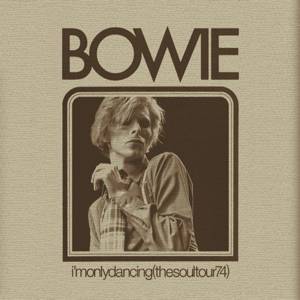
The later 1974 concerts moved further toward soul arrangements and a different stage presentation. Garson became musical director for this phase, and the ensemble was billed as The Mike Garson Band.
His contribution therefore extended beyond individual piano performances. The musical director’s role involves attention to the organisation and continuity of the show, as well as the relationships between the performers.
The music gave greater prominence to groove and vocal interaction. Instrumental parts needed to support that balance, with enough clarity for the singers, rhythm section and saxophone to remain distinct contributors.
The official archive release I’m Only Dancing (The Soul Tour 74) makes this phase available for examination. Its release announcement identifies the change in touring approach and the renamed band.
This is a substantial part of Garson’s history. The musician who had introduced an unconventional solo to Aladdin Sane was also helping organise a show whose strength depended on ensemble rhythm and vocal exchange.
Young Americans and the piano within the groove
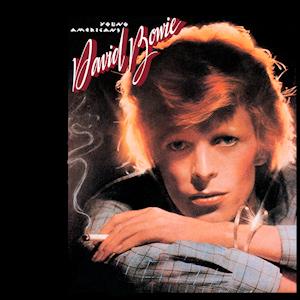
Garson participated in the sessions that produced Young Americans, released in 1975. His piano is heard within arrangements shaped by rhythm, saxophone and layered voices.
In his recollections, Garson specifically identified the title track and “Can You Hear Me” among his performances. He also made clear that he did not play on every track.
This setting called for a different musical balance from the more theatrical parts of Aladdin Sane. Piano could contribute through rhythmic placement, chord voicing and responses around the lead vocal.
The interaction of separate instrumental parts becomes especially important in this kind of arrangement. A piano chord can reinforce the movement of the rhythm section without filling every available space. The singers and instrumentalists remain part of a shared groove.
Garson’s work on Young Americans demonstrates that his contribution could change with Bowie’s material. His individual sound remained a resource, but the performance responded to the current musical direction. The early collaboration encompassed several distinct approaches within a short period.
An independent career after the first Bowie period
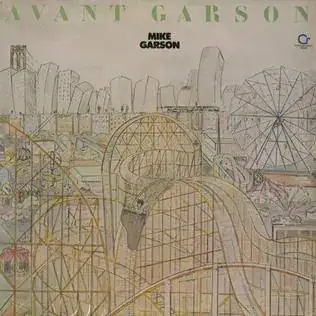
After the first phase of work with Bowie, Garson continued recording, composing and performing. The years before their reunion were an active part of his own musical career.
His jazz associations included musicians such as Stanley Clarke, Freddie Hubbard and Stan Getz. These projects placed his piano in different relationships with other improvising musicians.
His independent catalogue includes Avant Garson, Jazzical, The Oxnard Sessions and A Gershwin Fantasia. The titles point toward interests that included ensemble jazz, the meeting of musical traditions and the interpretation of established repertoire.
A small-group setting exposes different aspects of a pianist’s decisions. Harmony, phrasing and interaction with bass and drums become especially clear. The music can develop through responses between the players rather than through a fixed vocal arrangement.
Exploring this catalogue offers a fuller view of Garson than the Bowie credits alone. It also helps explain what he brought when the two musicians worked together again: his playing had continued developing through other people, projects and musical questions.
Free Flight with Jim Walker
Jim Walker and Mike Garson – flute and piano in performance, bringing classical and jazz approaches together.
Garson’s work with Free Flight forms another important strand of his career. His official biography dates his involvement from 1982. The ensemble featured flautist Jim Walker.
Free Flight brought classical and jazz approaches into the same performance setting. Garson contributed as pianist and composer, developing music in which written material and improvisation could coexist.
Piano and flute create a different instrumental balance from the rock bands in which Bowie’s audiences usually saw him. Their contrasting attacks and phrasing make the exchange between the instruments particularly apparent.
The piano can provide harmony, bass movement and rhythmic direction while responding to the flute’s melodic line. The arrangement depends on how those roles are distributed, rather than on both players occupying the same space.
Free Flight demonstrates that Garson’s interest in crossing musical boundaries continued independently of Bowie. It gave that curiosity another ensemble, another repertoire and another audience. The project belongs within his biography as a sustained musical association.
Returning for Black Tie White Noise
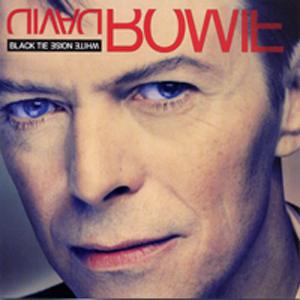
Garson returned to Bowie’s recording work during the sessions for Black Tie White Noise, released in 1993. His piano contribution to “Looking for Lester” brought him into a setting that included trumpeter Lester Bowie.
The instrumental track offers a useful point of re-entry. Without a lead vocal occupying the centre, the listener can follow the relationship between the instrumental voices. Piano participates in that exchange.
The reunion came after both musicians had accumulated further experience. Garson returned with a continuing independent career behind him; Bowie was making music within a different production setting from their first albums together.
Garson’s official discography commentary discusses the recording and Bowie’s interest in jazz and avant-garde music. The track became part of a renewed working relationship that would develop through several later projects.
Their second phase was productive because it opened new settings for Garson’s playing. The pianist’s return would soon lead beyond the sound of this individual album.
The Buddha of Suburbia and South Horizon
David Bowie – “South Horizon” from The Buddha of Suburbia (1993), featuring Mike Garson on piano.
Also released in 1993, The Buddha of Suburbia developed from Bowie’s connection with the television adaptation of Hanif Kureishi’s novel. The album expanded beyond the music used in the programme.
Garson contributed piano to “South Horizon” and “Bleed Like a Craze, Dad”. These recordings placed him within a project whose textures and construction differed from the commercial pop setting of much contemporary music.
“South Horizon” is especially rewarding when following the instrumental interaction. The piano remains an identifiable voice within a recording that can feel fragmented and unsettled. Its interest includes both the performance and the way recorded elements are placed together.
The album’s official reissue information explains its broader musical context. For Garson’s history, the project marks a significant expansion of the renewed collaboration.
It also provides an alternative starting point for listeners drawn to his experimental playing. The music permits a different relationship between structure and spontaneity from the one heard on Aladdin Sane.
Outside: collective improvisation and composition
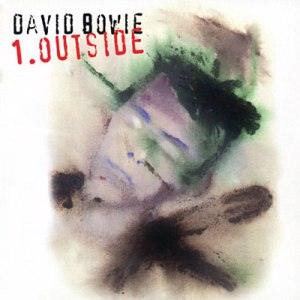
1. Outside, released in 1995, placed Garson within another major experimental recording project. Bowie worked with Brian Eno and an ensemble whose sessions included extended improvisation.
Material developed through playing together became part of the album’s eventual construction. A spontaneous musical exchange could provide ideas that were subsequently selected, edited and organised within a song.
Garson’s piano is particularly rewarding to follow through “A Small Plot of Land”, “The Motel” and “I’m Deranged”. These tracks place the instrument in different relationships with voice, texture and rhythmic movement.
His documented co-writing credit on “The Hearts Filthy Lesson” also identifies a contribution beyond instrumental performance. It provides a specific example of the collaborative recording process.
Listening to Outside reveals the piano as part of a larger musical environment. It can establish uncertainty, connect passages or contribute movement beneath the voice. Garson’s presence belongs to the construction of that environment, rather than functioning only as a recognisable guest appearance.
The Outside tour and the contemporary band
![David Bowie Ouvrez Le Chien [Live Dallas 95] Brilliant Live Adventures Part 1 (2020)](https://www.davidbowieworld.com/wp-content/uploads/2020/11/DAVID-BOWIE-OUVREZ-LE-CHIEN-FRONT-copy.jpg "David Bowie Ouvrez Le Chien [Live Dallas 95] Brilliant Live Adventures Part 1 (2020)")
Garson joined the Outside tour, bringing the album’s material into a demanding concert setting. The repertoire also drew on songs from other stages of Bowie’s career.
The touring ensemble included Reeves Gabrels, Carlos Alomar, Gail Ann Dorsey and Zachary Alford. Garson’s piano and keyboards worked alongside a separate keyboard and synthesiser role occupied by Peter Schwartz.
Ouvrez le Chien (Live Dallas 95), recorded on 13 October 1995, documents this band. Its official release announcement provides the personnel and recording information.
Older songs could acquire a different emphasis within the current ensemble. The piano’s relationship with the guitars, bass and electronic textures helped determine how that reinterpretation worked in practice.
The American dates also connected Bowie’s touring world with Nine Inch Nails. Garson’s subsequent work with Trent Reznor belongs to the wider network of musical relationships through which his career continued developing.
Earthling and Battle for Britain
David Bowie – “Battle for Britain (The Letter)” from Earthling (1997), featuring Mike Garson’s distinctive piano passage.
Earthling, released in 1997, introduced another setting for Garson’s piano. Electronic rhythms and forceful guitars formed a prominent part of the album’s sound.
“Battle for Britain (The Letter)” contains a notable piano passage. Garson’s playing appears within a highly active rhythmic environment, creating a contrast between the surrounding construction and the movement of the instrumental performance.
Repetition provides a frame within which the piano can introduce different accents, figures and harmonic movement. The interest comes from the relationship between those elements, rather than from treating the acoustic instrument as separate from the track.
This use of piano demonstrates how Garson could participate in a contemporary electronic setting. His contribution did not require Bowie to return to the arrangements of the early 1970s.
Garson’s recollections identify the track among the performances Bowie encouraged from him. Alongside Outside, it shows the renewed partnership producing another application of his individual musical voice.
hours… and the soundtrack version of Something in the Air
Garson continued working with Bowie around the hours… period, but his involvement needs to be identified by recording version. He did not play on the original studio album as part of its main recording personnel.
He described adding piano to an alternative version of “Something in the Air” used for American Psycho. Bowie sent the recording to him in California, where he added his contribution.
The distinction is specific and important: this is a credit for the soundtrack version, rather than the original album track. It belongs within Garson’s recording history without expanding into a claim about the whole album.
His account appears in Independent Ethos’ interview about the later Bowie years. The contribution illustrates another practical form their collaboration could take: work did not always require both musicians to be present in the same studio.
VH1 Storytellers and the 1999 performances

Bowie recorded his VH1 Storytellers appearance on 23 August 1999 at the Manhattan Center in New York. Garson was part of the band accompanying the performance.
The programme combined songs with Bowie’s spoken introductions and recollections. This created a different rhythm from a large concert: musical performances were interrupted by conversation and changes in atmosphere.
The set included older repertoire and material connected with the forthcoming hours… album. Garson’s role was to help present those songs within one current band sound.
The format makes accompaniment especially apparent. A musician must respond to entrances, follow the singer’s timing and help establish the musical setting after each spoken passage. The performance depends on attention as well as preparation.
The subsequent official VH1 Storytellers releases document this aspect of Garson’s work. Their release information identifies the event and its recording context.
Glastonbury and the BBC Radio Theatre in 2000
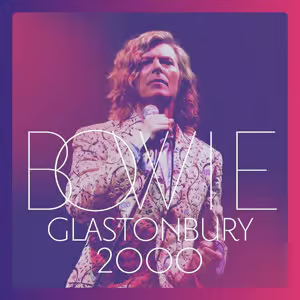
Bowie’s Glastonbury performance on 25 June 2000 brought a broad selection of his music before a large festival audience. Garson opened with a piano rendition of “Greensleeves” before the main set.
The concert moved through songs with very different original arrangements. Garson’s keyboard work helped the current band present that range as a coherent performance.
Two days later, on 27 June, Bowie performed at the BBC Radio Theatre in London. The smaller setting offered another view of the band heard at Glastonbury.
Its repertoire included “Wild Is the Wind”, “Absolute Beginners”, “The London Boys” and material from the later albums. Piano and keyboards helped carry changes in texture and musical emphasis across the set.
The BBC performance appeared in edited form with the initial release of Bowie at the Beeb, and later within Brilliant Adventure. The official retrospective confirms the concert date and repertoire.
Toy: early songs recorded with the contemporary band
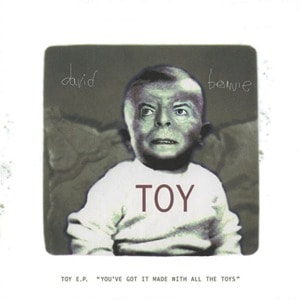
The Toy sessions took place in 2000, following the Glastonbury period. Bowie revisited songs from his earlier career with musicians from his contemporary working band.
Garson’s credited instruments included piano and other keyboards. The project gave him a recording relationship with material originally released before he had joined Bowie.
“Conversation Piece” is a particularly useful example of his restrained playing. The piano contributes through touch, placement and harmonic support, allowing the vocal to remain central.
The performances were recorded in 2000, but Toy received its first official album release in 2021, within Brilliant Adventure (1992–2001). The expanded Toy:Box followed in 2022.
The official announcement provides the recording context and personnel. These dates distinguish Garson’s original performance from the much later release of the complete project.
Heathen: bonus recordings and the live repertoire
Garson’s connection with the Heathen era includes associated recordings and live performances. It should not be described as playing throughout the standard studio album.
The Toy recording of “Conversation Piece” appeared on the bonus disc of a 2002 Heathen edition. Its release there connected the projects, while the performance originated in the earlier sessions.
Garson also performed music from Heathen on stage. This gave him a practical role in presenting the newer repertoire alongside songs from other periods.
A concert arrangement may distribute recorded parts differently among the touring musicians. Garson’s contribution therefore belongs to the live interpretation of those songs, independently of the personnel on their original studio recordings.
Reality and The Loneliest Guy
David Bowie – “The Loneliest Guy” from Reality (2003), featuring Mike Garson on piano.
Reality, released in 2003, contains important examples of Garson’s later studio work. “The Loneliest Guy” gives the piano a particularly exposed role.
The arrangement depends on a small number of musical elements. The placement of a chord and the movement between phrases become easy to hear. Garson’s performance helps sustain the song’s unsettled atmosphere.
This is a different kind of prominence from the “Aladdin Sane” solo. The instrument remains central without producing a continuous display of technical complexity. Its effectiveness lies partly in how much space remains around it.
Garson’s official album commentary identifies “The Loneliest Guy” among the performances with which he was especially pleased.
The recording offers a strong introduction to his quieter musical character. Listeners who know him mainly through rapid improvisation can hear how decisively a restrained piano part can shape a Bowie song.
Bring Me the Disco King
David Bowie – “Bring Me the Disco King” from Reality (2003), featuring Mike Garson on piano.
“Bring Me the Disco King” closes Reality with an extended interaction between Bowie’s voice, Garson’s piano and percussion. The reduced arrangement gives the instrumental responses considerable room.
Garson described Bowie stripping the song back after previous attempts had not produced the desired result. Piano became a central part of the version released in 2003.
The track’s length allows the relationship between voice and instrument to develop gradually. A piano phrase can answer a vocal line, suggest a change of direction or create movement between the singer’s entries.
Its exposed texture makes those decisions especially audible. The performance is sustained through interaction, with musical interest distributed across the song rather than reserved for one instrumental break.
Alongside “The Loneliest Guy”, it establishes Garson’s importance to the later Bowie catalogue. These recordings show the partnership continuing to find distinct uses for the piano three decades after their first work together.
A Reality Tour and the final touring band

Garson joined A Reality Tour in 2003–2004. The band included Earl Slick, Gerry Leonard, Gail Ann Dorsey, Sterling Campbell and Catherine Russell.
The repertoire covered a substantial part of Bowie’s career. Garson’s responsibilities combined acoustic-piano performances with the practical demands of reproducing keyboard textures from different recording periods.
The official tour recordings show him working inside an experienced ensemble. His contribution includes supporting parts that are less conspicuous than a featured solo but important to the balance of the show.
The tour ended after the Hurricane Festival performance in Scheeßel, Germany, on 25 June 2004. Bowie underwent treatment for a blocked coronary artery, and the remaining dates were cancelled.
The official statement documents this interruption. It brought Bowie’s last full tour to an end, although later individual appearances would reunite him with Garson on stage.
Fashion Rocks: Life on Mars? with voice and piano
David Bowie – “Life on Mars?” at Fashion Rocks, New York, September 2005, accompanied by Mike Garson on piano.
At Fashion Rocks in September 2005, Bowie performed “Life on Mars?” with Garson accompanying him at the piano. The arrangement placed the relationship between singer and pianist directly before the audience.
Garson later explained that the performance called for a restrained approach. His task was to support Bowie’s phrasing and the song’s musical movement.
Mike Garson on the Fashion Rocks performance
“I found myself not being the usual flamboyant Mike Garson”
— Mike Garson, “Mike Garson Talks About Fashion Rocks”, 2005.
With fewer instruments present, touch and timing become more exposed. A chord can help carry the singer into the next phrase, while a pause allows the vocal line to finish.
The performance is an important part of Garson’s history with the song. It shows how an experienced accompanist can give familiar material a convincing present-tense interpretation.
The final public performance together
David Bowie – “Wild Is the Wind”, accompanied by Mike Garson on piano at the Keep a Child Alive Black Ball, New York, 9 November 2006.
On 9 November 2006, Bowie appeared at the Keep a Child Alive Black Ball at New York’s Hammerstein Ballroom. The event became his final public live musical performance.
Bowie opened with “Wild Is the Wind”, accompanied by Garson alone on piano. He then performed “Fantastic Voyage” with Alicia Keys’ band and sang “Changes” with Keys herself.
The contemporary official report identifies these different arrangements. Garson’s voice-and-piano performance with Bowie provides the clearest documented account of his role that evening.
The event was a benefit performance, rather than an announced farewell concert. Its place as Bowie’s final live appearance became apparent through what followed.
Garson’s presence gives the collaboration a memorable final public scene. The pianist recruited to expand Bowie’s stage sound in 1972 was accompanying him in one of its most intimate musical settings in 2006.
Creative trust and Garson’s recollections of Bowie
Garson’s interviews describe a working relationship grounded in shared creative curiosity. He recalled conversations about art, books, philosophy and music, as well as the practical experience of recording and touring together.
Mike Garson on Bowie’s creative restlessness
“He was never happy in a comfort zone.”
— Mike Garson, interviewed by Nenad Georgievski, All About Jazz, 12 February 2016.
The recordings offer examples of how that curiosity affected their work. Garson was invited into projects with different musical demands, and his contribution changed accordingly.
Trust did not require the absence of direction. Bowie could reject an initial approach, as in the title-track session for Aladdin Sane, or alter an arrangement to create a more suitable space.
Garson’s recollections help illuminate that process. They describe his experience of the partnership, while the released music allows listeners to hear its results directly.
Now Music and improvisation as composition
Mike Garson – “NowTude F#”, from Mike Garson Unleashed, Vol. 4 (2020). An audio recording of his solo piano work.
Garson developed an approach he calls “Now Music”, placing spontaneous creation at the centre of his composing practice. He described using recording technology to preserve pieces created at the piano.
A performance could subsequently become a score for another musician to interpret. This connects improvisation with the continuing life of a composition: its first appearance happens through playing, but it need not disappear when that playing ends.
Mike Garson on the experience of improvising
“There is no ego when it’s going right.”
— Mike Garson, interviewed by Hans Morgenstern in May 2004; published by Independent Ethos in 2011.
His account connects freedom with years of preparation. Knowledge of the instrument provides resources for immediate decisions, even when the player is not consciously identifying every technical step.
This approach also helps explain why two performances of the same material may differ. Garson responds to the musical circumstances of the moment, drawing on a consistent background without requiring an identical sequence of notes.
Other artists and film music
Garson’s work outside Bowie includes projects with Nine Inch Nails, The Smashing Pumpkins, Seal and St. Vincent. These associations placed his piano within different musical and production environments.
His participation in Nine Inch Nails’ The Fragile brought him into Trent Reznor’s recorded world. The project is documented in Garson’s official discography.
Work with Billy Corgan included the score for Stigmata in 1999. Their collaboration also encompassed “Identify”, performed by Natalie Imbruglia.
Film music creates a different relationship between performance and narrative. A phrase may need to follow the pace of a scene or contribute an atmosphere without becoming the audience’s main focus.
These projects demonstrate the continuing breadth of Garson’s career. His work with Bowie remained an important association, while his musical life developed through other performers, recording contexts and forms of composition.
Bowie Variations: the songs as piano interpretations
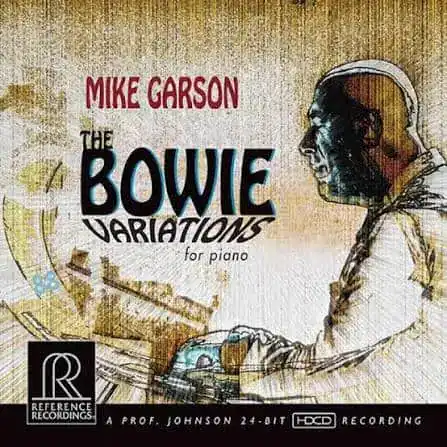
In 2011, Garson released Bowie Variations through Reference Recordings. The project explored Bowie’s repertoire through piano interpretations rather than recreating the original band arrangements.
The selection included songs such as “Space Oddity”, “Life on Mars?”, “Heroes”, “Changes” and “Let’s Dance”. Several had become part of Garson’s experience through concerts rather than their original recording sessions.
David Bowie on Garson’s interpretations
“Whatever Mike lends his hands to invariably becomes something magical.”
— David Bowie, quoted in the official announcement of Bowie Variations, 2011.
A variation can retain a recognisable melodic idea while changing its rhythm, harmony or musical setting. Without the familiar vocal, different features of a song can become apparent.
The album appeared while Bowie was alive. It therefore belongs to their continuing musical history, as an independent interpretation of a colleague’s work.
Performing Bowie’s music after 2016
A performance of David Bowie’s music, accompanying this account of Garson’s concert work after 2016.
Following Bowie’s death in January 2016, Garson participated in concerts bringing the repertoire to audiences with former collaborators and guest singers.
Projects associated with his subsequent work include Celebrating David Bowie and A Bowie Celebration. These are distinct production names within the wider history of concerts devoted to Bowie’s music.
Former band members bring experience of how particular arrangements worked in rehearsal and on stage. New singers introduce different voices, making each performance an interpretation by the musicians currently involved.
Garson’s knowledge spans several Bowie periods. That background allows him to approach both familiar concert favourites and material that is less often encountered in general tribute programmes.
His later concerts continue the relationship through performance and musical direction. They give audiences access to the repertoire through a musician who helped create part of its recorded and live history.
Video: Mike Garson aka ‘The Piano Man’

Mike Garson on final performances

Mike Garson A Special Connection

Mike Garson Aladdin Sane Story

Mike Garson & Gail Ann Dorsey

Ziggy & Me (Mike Garson)

Mike Garon Life on Mars
-
Mike Garson on final performances
Ahead of his all-star "Bowie's Piano Man: A Decade in the Stars” residency Jan. 8-10 at the Sun Rose in West Hollywood, David Bowie’s longest-serving band member recalls his many different eras with the "dream boss" who “changed the whole trajectory" of his life. -
Mike Garson A Special Connection
Mike Garson, the longtime pianist and collaborator of David Bowie, shares personal memories of working with the iconic artist during an appearance at the Dublin Bowie Festival. Garson reflects on his decades-long musical relationship with Bowie, offering insight into Bowie’s creative process and the energy of performing on groundbreaking tours such as Ziggy Stardust. He also discusses Bowie’s character offstage, including his pragmatic reaction to a psychic’s prediction about his death, and why celebrating Bowie’s work and influence remains so important. A thoughtful tribute to one of music’s most influential artists, told through the memories of a collaborator who knew him best. -
Mike Garson Aladdin Sane Story
This is a new tribute to David Bowie combining various clips. It starts with Bowie's piano man talking to Niswander about creating the piano solo on the song "Aladdin Sane" taken from The Nowman Show. The second part is Bowie in his own words from a documentary short by T&H Inspiration discussing more about the creative process, Spirituality, philosophy, and the Internet according to David Bowie. January 8th, 1947 - January 10th, 2016 mikegarson.com -
Mike Garson & Gail Ann Dorsey
Multi-instrumentalist Gail Ann Dorsey and pianist Mike Garson join us to tell us what it was like to perform and tour with David Bowie ahead of the David Bowie Festival in Dublin. ❤️ -
Ziggy & Me (Mike Garson)
To celebrate the upcoming Ziggy Stardust and the Spiders From Mars: The Motion Picture global film premiere and boxset we spoke to Mike Garson, Bowie's pianist, about the film -
Mike Garon Life on Mars
Live with Mike Garson at Yahoo Awards, 2000
Watching Garson perform adds another perspective to the recordings discussed above. His attention to the singer, his changes of touch and the timing of his responses make the practical work of accompaniment visible alongside the more dramatic aspects of his piano playing.
Mike Garson’s place within Bowie’s musical legacy
Garson’s importance rests on a substantial body of work across different musical settings. He contributed to Bowie’s early 1970s recordings, helped carry the changing arrangements of 1974 and returned for the exploratory music of the 1990s and the exposed piano performances of the following decade.
His playing also reached musicians who encountered Bowie’s records as listeners. Lady Gaga’s appreciation of his work on Aladdin Sane is reproduced in Garson’s official biography.
Lady Gaga on Garson’s Aladdin Sane performances
“Mike’s piano parts in Aladdin Sane changed my life.”
— Lady Gaga, as quoted in Mike Garson’s official biography.
The catalogue supports a broad view of his contribution. He could organise movement through a long arrangement, contribute an unexpected instrumental passage or sustain a song through a carefully placed piano response. These functions belong to the same musician’s range.
His final public appearance with Bowie in 2006 closes the documented stage partnership, while later interpretations continue his relationship with the music. Garson’s place in Bowie’s history is established by those performances, their variety and their lasting recognisability.
Official Website & Further Information
Mike Garson’s official website provides information about his recordings, performances, teaching and other projects. Its biography and discography are useful starting points for exploring his independent career alongside the Bowie collaboration.
Clifford Slapper’s Bowie’s Piano Man: The Life of Mike Garson offers a dedicated biographical study. The original publication was announced through David Bowie’s official website in 2014. The book includes interviews with musicians and producers associated with Garson’s work.
The published interviews and official announcements linked throughout this article provide further information about particular sessions, concerts and releases. Recording credits remain especially useful where an album track, alternative version and live performance have different personnel.
First-Hand Contributions
DavidBowieWorld welcomes documented first-hand information about Mike Garson’s work with David Bowie. Musicians, studio staff, touring personnel and others directly involved may be able to add details about sessions, rehearsals and performances.
Contributions are most useful when they identify the event, approximate date, contributor’s role and any supporting documentation. Recollections can add valuable context to the existing recording and concert history.
Corrections concerning personnel, dates or particular recording versions are also welcome. Any published contribution will be identified and attributed appropriately. Permission should accompany material intended for publication, including private correspondence and previously unpublished photographs.
Article Origin
This page forms part of the DavidBowieWorld.com David Bowie Collaborations & Creative Circle Archive, maintained by Diedrich Streuper. It examines Mike Garson’s contribution through recording information, contemporary performance reports and published interviews.
The quotations are attributed to their speakers and linked to their published sources. These interviews were conducted by the authors and publications named in the source references; they are not presented as interviews conducted by DavidBowieWorld.
The article distinguishes Garson’s original studio performances, contributions to alternative recordings and later live interpretations. It can be updated when additional reliable documentation or first-hand information becomes available.
© DavidBowieWorld.com — David Bowie Collaborations & Creative Circle Archive.
