
Nicky Graham – Piano with David Bowie and the Spiders from Mars in 1972
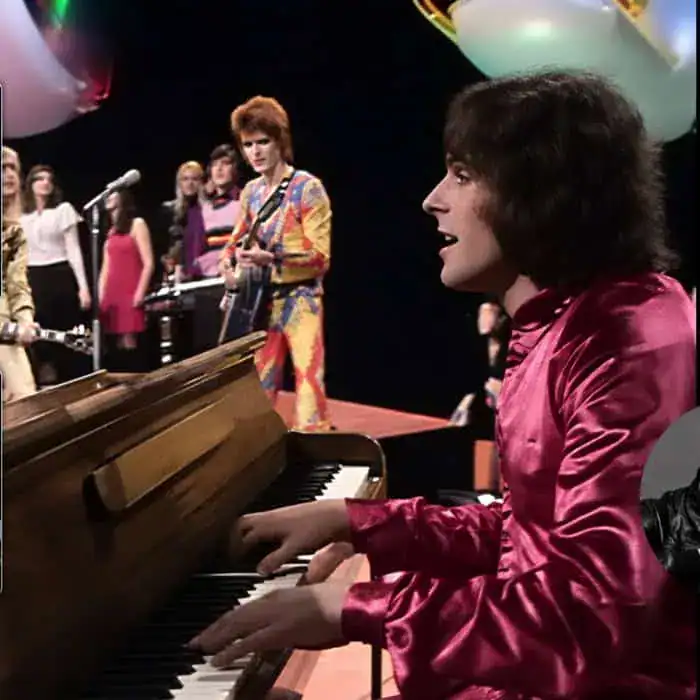
Nicky Graham played piano with David Bowie and the Spiders from Mars during 1972, contributing to the performances through which Ziggy Stardust became a widely recognised public identity. His work with Bowie included BBC radio recordings, British concert appearances and the celebrated performance of Starman broadcast on Top of the Pops on 6 July 1972.
An experienced musician from The End and Tucky Buzzard, Graham initially entered Bowie’s working circle through its office rather than through a conventional audition. His piano playing subsequently became part of the expanded performing ensemble around Bowie, Mick Ronson, Trevor Bolder and Mick “Woody” Woodmansey.
His time with Bowie was brief, but the surviving recordings preserve his contribution during a decisive period. Graham later established a substantial career as a songwriter, producer and music industry representative, with work extending from The Nolans and Bros to Let Loose and PJ & Duncan. The Bowie collaboration was one chapter in a professional life that crossed several generations of popular music.
- Name: Nicky Graham
- Full name: Nicholas Lynedoch Graham
- Born: January 1945, Durban, South Africa
- Died: 3 February 2024, aged 79
- Roles: Pianist, keyboard player, songwriter, producer and music industry representative
- Work with David Bowie: Piano during the British Ziggy Stardust period in 1972
- Documented BBC appearance: John Peel session recorded on 16 May 1972
- Notable television appearance: Starman, recorded for Top of the Pops on 5 July and broadcast on 6 July 1972
- Earlier bands: The End and Tucky Buzzard
- Relevant Bowie archive releases: Bowie at the Beeb and Rock ’n’ Roll Star!
- Later work: Songwriting and production associated with The Nolans, Bros, Let Loose and PJ & Duncan
- Professional service: Former Music Producers Guild chairman and PRS Writer Director
- Industry recognition: BASCA Gold Badge Award recipient in 2014
Early life: from South Africa to Britain
Nicholas Lynedoch Graham was born in Durban, South Africa, in January 1945. His family returned to Britain in 1960, shortly before the British beat boom transformed the opportunities available to young musicians. His subsequent career would span group performance, psychedelic recording, rock touring, commercial pop production and professional representation.
In a later interview, Graham traced his enthusiasm for music to hearing rock and roll at around the age of ten. He initially wanted a guitar, before keyboards became central to his professional identity. His earliest ambition was therefore connected with the experience of playing music rather than with the record company positions he would eventually occupy.
The move to Britain placed him within a developing network of singers, backing groups, clubs and managers. Musicians could build experience by accompanying other performers, joining established groups or forming new combinations with colleagues from earlier engagements.
Graham’s later career began within that environment. Long before he worked with Bowie, he was learning the practical demands of being part of a professional group: preparing material, performing alongside other musicians and adapting when a line-up or opportunity changed. His eventual move into production followed years spent on the performing side of the industry.
The Original Topics and the beginnings of a professional career
Before The End, Graham was associated with The Original Topics, a group connected with singer Dickie Pride. Accounts of this period identify Graham and saxophonist John Horton among the musicians whose subsequent activities contributed to the formation of The End.
These early engagements belong to a less widely known part of his biography. They nevertheless establish that Graham’s professional development did not begin with the groups whose albums later became collectable. Working behind a singer was itself an important part of the British music business, requiring musicians to support a performance rather than simply present their own material.
The movement between groups also helps explain the personal connections behind later projects. New bands often emerged from existing working relationships, with musicians bringing experience and contacts from previous line-ups.
For Graham, this early period provided a foundation for a career in which collaboration remained central. Whether playing keyboards in a group or producing another artist, he would repeatedly work within a combination of individual abilities rather than as an isolated performer.
The End: a band supported by Bill Wyman
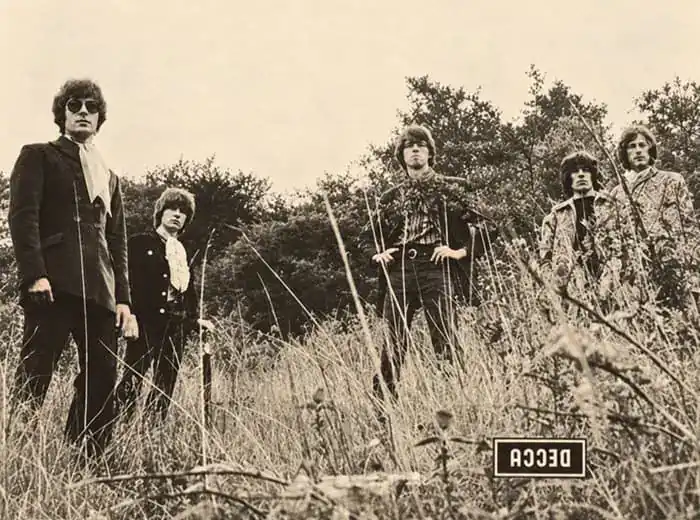
The End formed in 1965, drawing on musicians associated with earlier groups including The Innocents, The Tuxedos and The Original Topics. Graham contributed keyboards and vocals to a band whose development became closely connected with Bill Wyman of The Rolling Stones.
Wyman supported the group and produced their recordings. The End also toured with The Rolling Stones, placing the musicians within a professional setting considerably larger than the club circuit from which many British bands emerged.
His involvement offered more than the association of a famous name. Wyman participated in the recorded work and encouraged the band’s development. His official archive continues to document The End among the projects he pursued alongside his own group’s career.
The End did not establish the sustained commercial position enjoyed by the most successful British groups of the decade. Their recordings nevertheless acquired a continuing audience, particularly among listeners interested in the development of British psychedelic pop. Later reissues made it possible to hear the band’s work beyond its original release circumstances.
For Graham, The End represented an extended period of group recording and performance before Bowie. It also placed him in contact with the studio practices and professional relationships that would become increasingly important in his later life.
Introspection: keyboards within a psychedelic recording project
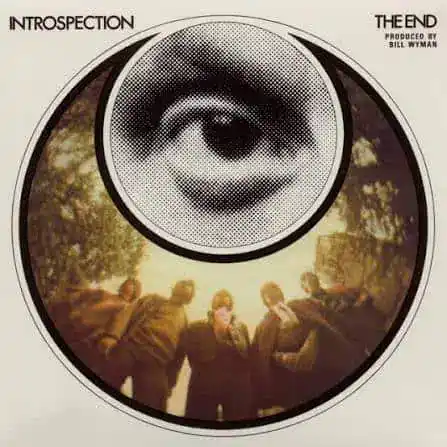
The End’s principal album, Introspection, was released in 1969. Produced by Bill Wyman, it remains the most recognisable recording project from Graham’s first major band.
The repertoire includes Dreamworld, Under the Rainbow, Shades of Orange and Cardboard Watch. The album combines songs with shorter linking pieces, creating a presentation that extends beyond a straightforward collection of unrelated singles.
Universal’s catalogue identifies Nick Graham among the musicians credited with keyboards and vocals. Its documentation also names Glyn Johns in the recording personnel, while the project’s wider credits include contributions from Nicky Hopkins and Charlie Watts.
Graham and Hopkins were separate musicians: Graham belonged to The End, while Hopkins contributed to the recording project as a guest. The distinction is useful when exploring an album whose credits bring together the group and musicians from the wider circle around The Rolling Stones.
For listeners approaching Graham through Bowie, Introspection offers an earlier reference point. It documents his work within a carefully constructed studio project before the heavier setting of Tucky Buzzard and the developing Ziggy Stardust show.
From The End to Tucky Buzzard
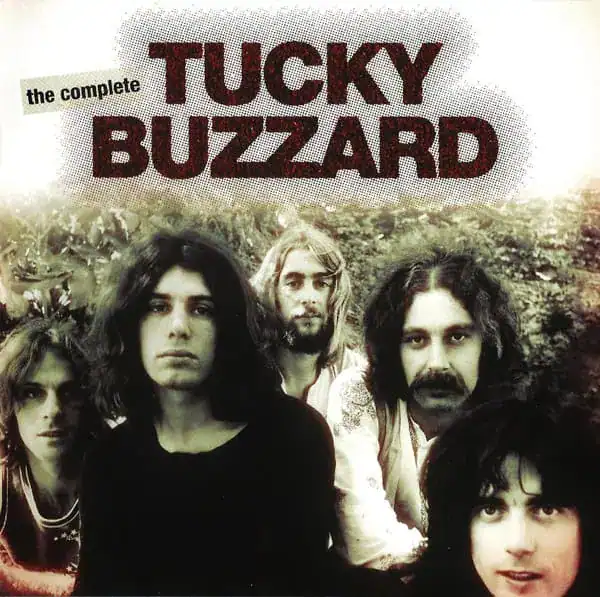
As The End’s history approached its conclusion, several musicians continued in a new group, Tucky Buzzard. Official retrospective releases describe this as a change of musical direction as well as a change of name.
The developing line-up included Jimmy Henderson on vocals, Terry Taylor on guitar, Dave Brown on bass, Paul Francis on drums and Nicky Graham on organ. Drummer Chris Johnson subsequently became part of the recording history.
The transition moved the musicians towards a stronger emphasis on blues-based rock. Bill Wyman remained involved, maintaining a connection with the band’s earlier professional life while the musical framework changed.
Graham’s organ playing formed part of this heavier ensemble. It gave him experience in a guitar-led setting before he appeared with Bowie, although Tucky Buzzard should be understood as a project with its own history rather than merely a preliminary stage in somebody else’s career.
The continuity between the two groups also demonstrates how much professional experience Graham brought to his next engagement. By 1972, he had already worked through several years of changing line-ups, recordings and touring opportunities.
Tucky Buzzard’s recordings and Graham’s departure
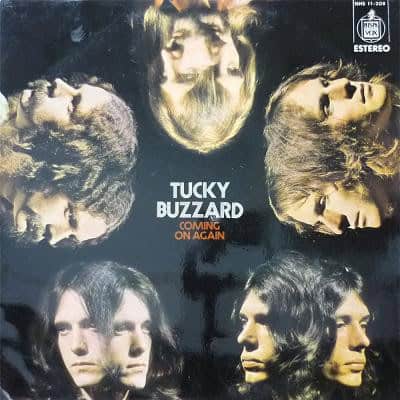
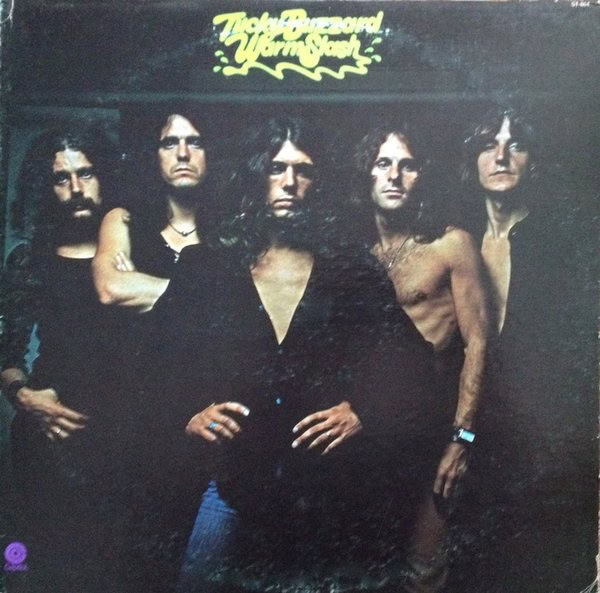
Tucky Buzzard’s catalogue includes Coming on Again, Tucky Buzzard and Warm Slash, followed by later albums made after Graham’s departure.
The official description of The Complete Tucky Buzzard identifies orchestral involvement in the first album, recorded with the Madrid Philharmonic Orchestra under Waldo de los Ríos. Subsequent work established a more firmly blues-based direction.
The recording history included sessions at Olympic Studios, with Wyman and Glyn Johns involved, while Rolling Stones guitarist Mick Taylor made a guest appearance. These connections placed the group within an experienced recording environment.
Demon Music’s account notes that Graham was replaced by a second guitarist for the later phase of the band. The complete five-album catalogue therefore should not be treated as an uninterrupted record of his participation.
After leaving Tucky Buzzard, Graham entered a different working situation. His next connection began inside Bowie’s organisation, where an office role unexpectedly led back to playing music in front of an audience.
Joining Bowie’s office before joining the performing band
Graham later explained that his connection with Bowie’s organisation developed through Diana, who worked as personal assistant to Bowie’s manager, Tony Defries. After leaving Tucky Buzzard, Graham obtained work in the Bowie office.
Nicky Graham on joining Bowie’s organisation
“Diana got me a job working in the Bowie office.”
— Nicky Graham, interviewed by Andy Jones, Classic Pop, June 2018; subsequently republished on the magazine’s website.
According to Graham’s account, Bowie discovered that he played piano and invited him to join the musicians. The route into the performing ensemble was therefore informal, developing from an existing connection rather than a conventional recruitment process.
Graham was already familiar with the working environment, while his background supplied the musical experience needed for the additional role. The invitation brought together the organisational and performing sides of Bowie’s operation.
His recollection explains the circumstances of joining, although it does not establish an exact first rehearsal or first concert. The dated BBC recordings provide firmer chronological reference points for the period that followed.
Entering the Ziggy Stardust period
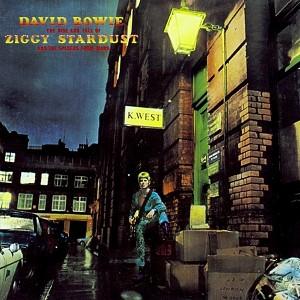
Graham became involved during the year in which Ziggy Stardust emerged as Bowie’s defining public identity. The Rise and Fall of Ziggy Stardust and the Spiders from Mars appeared in June 1972, with production credited to Bowie and Ken Scott.
The album brought together material that would become central to the stage show, including Five Years, Moonage Daydream, Starman, Lady Stardust, Ziggy Stardust, Suffragette City and Rock ’n’ Roll Suicide.
These songs offered a varied performing repertoire. Some depended on a concentrated rock arrangement, while others provided space for a different balance between voice and accompaniment. The inclusion of piano expanded the available instrumentation beyond the basic guitar, bass and drums line-up.
Graham’s documented contribution belongs to the performances and broadcasts of this period. He should not be credited with the original Ziggy Stardust studio album simply because he played some of its songs with Bowie elsewhere.
The distinction allows his actual involvement to remain clear: he participated in bringing the developing repertoire to radio, television and concert audiences during the British breakthrough.
Working alongside Ronson, Bolder and Woodmansey
The central Spiders from Mars were Mick Ronson on guitar, Trevor Bolder on bass and Mick “Woody” Woodmansey on drums. Graham joined this established musical relationship as an additional player.
Bowie’s official historical material distinguishes the core trio from musicians who augmented the performing ensemble at different stages. This helps explain the terminology surrounding Graham, who could describe himself as a Spider while remaining outside the three musicians most closely identified with the band’s original identity.
His work also placed him alongside another musician capable of playing piano: Ronson’s contribution to Bowie extended beyond electric guitar. The presence of a supporting pianist did not eliminate the possibility of other musicians changing instruments when an arrangement required it.
The documented line-up therefore provides the starting point, while individual performances determine how those musicians were used. Graham’s significance lies in his contribution to that ensemble during a specific period, rather than in a claim that he occupied the same role throughout the entire Ziggy Stardust story.
16 May 1972: the John Peel session
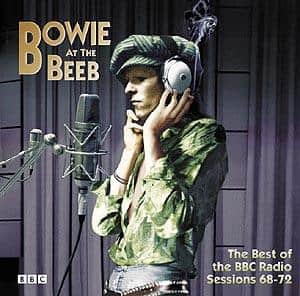
One of the clearest reference points for Graham’s work with Bowie is the BBC session recorded on 16 May 1972. The sessionography identifies Studio 4 at Maida Vale as the location and lists Graham on piano alongside Bowie, Ronson, Bolder and Woodmansey.
The recorded songs were White Light/White Heat, Moonage Daydream, Hang On to Yourself, Suffragette City and Ziggy Stardust. They were broadcast on 23 May as part of John Peel‘s Sounds of the 70s.
The date places Graham within Bowie’s performing circle before the album’s release and before the July television appearance. His contribution cannot accurately be restricted to August and September.
The programme combined new Bowie compositions with a Velvet Underground cover, presenting the emerging Ziggy repertoire alongside music from an artist Bowie admired.
For Graham’s biography, the session is especially valuable because it provides a dated recording event with identifiable personnel. The surviving performances allow his involvement to be explored directly rather than through recollection alone.
White Light/White Heat: a recognised piano contribution
David Bowie – White Light/White Heat. BBC session recorded on 16 May 1972, featuring Nicky Graham on piano.
Among the recordings associated with Graham, White Light/White Heat has attracted specific attention to its piano playing. Reviewing Bowie at the Beeb for Hot Press, writer John Walshe identified Graham’s contribution when discussing Bowie’s interpretation of the Velvet Underground song.
That response is useful because it directs attention towards a supporting musician within a recording often approached principally through Bowie and Ronson. It recognises the keyboard part without assigning Graham responsibility for the entire arrangement.
The performance also illustrates the importance of Bowie’s chosen covers within the repertoire. They were part of the band’s working material, alongside songs connected with Bowie’s own emerging character and album.
For anyone beginning to explore Graham’s Bowie recordings, this is a useful point of entry. The pianist is identified in the session documentation, the performance is available through official archive releases, and published criticism explicitly acknowledges the contribution of the instrument.
The Johnnie Walker and Bob Harris recordings
Further BBC recordings followed during May 1972. The official archive listings identify a Johnnie Walker session recorded on 22 May, featuring Starman, Space Oddity, Changes and Oh! You Pretty Things. These performances were broadcast during the following month.
A Bob Harris session recorded on 23 May added another selection to the BBC archive. The modern official track listing includes Waiting for the Man, Lady Stardust, White Light/White Heat and Rock ’n’ Roll Suicide.
Graham’s piano credits on Bowie at the Beeb extend through material from this late-May period. Those overall credits should still be read alongside the individual arrangements: a session-level listing does not imply that every musician plays throughout every song.
Taken together, the recordings show how concentrated Bowie’s broadcast activity had become. Different programmes presented different combinations of recent compositions, established material and covers.
The sessions consequently preserve more than one version of the developing repertoire. They are a record of musicians adapting the material for a succession of broadcasts during the weeks surrounding the album’s arrival.
Dunstable, 21 June 1972: a surviving visual connection
David Bowie – Moonage Daydream. Dunstable Civic Hall, 21 June 1972, with Nicky Graham on piano.
The concert at Dunstable Civic Hall on 21 June 1972 provides another recognisable reference point in Graham’s Bowie history. Footage of Moonage Daydream from the appearance has circulated publicly, and Graham referred to it when discussing his time in the performing band.
The Graham family’s memorial website also includes a video entry identifying the Dunstable performance. It appears alongside material connected with The End and his television appearance with Bowie, linking different stages of his performing life.
Dunstable places Graham within the development of the Ziggy show during June, when the album had just become available and the famous Top of the Pops broadcast was still ahead.
Its value is also visual. Radio recordings preserve the sound of a particular ensemble; the concert footage offers a view of a musician whose presence can be less apparent in the photographs most frequently reproduced from the period.
For this biography, Dunstable is a specific documented appearance rather than evidence for an uninterrupted sequence of neighbouring tour dates. It helps establish the extent of Graham’s involvement without requiring an unsupported concert-by-concert chronology.
Starman on Top of the Pops
David Bowie – Starman, with the Spiders from Mars and Nicky Graham. Top of the Pops, recorded on 5 July and broadcast on 6 July 1972.
On 5 July 1972, Bowie recorded his celebrated performance of Starman for Top of the Pops. It was broadcast on 6 July. Graham augmented Bowie and the Spiders for the appearance.
The performance is often remembered through Bowie’s engagement with the camera and his interaction with Mick Ronson. Graham belongs to the same historical scene, even though the television presentation naturally concentrated attention on the singer.
The recording method requires a distinction between the prepared accompaniment and the vocal delivered for the programme. Bowie’s official account states that a backing track was recorded at Trident Studios on 29 June, while Bowie performed his lead vocal live.
The appearance therefore should not be described as an entirely live band performance. Equally, Graham’s visible participation does not by itself establish who played every keyboard part on the backing recording.
What the film securely preserves is his place within the expanded performing line-up at the moment when Starman reached a national television audience. His presence is part of that broadcast’s history, alongside the musicians more prominently featured by the cameras.
A musician inside an increasingly theatrical presentation
Graham’s recollections include the visual character of his appearances with Bowie. He remembered wearing a plum-coloured suit and yellow boots, placing himself within the colourful presentation surrounding the developing Ziggy Stardust show.
The detail matters because the stage image extended beyond Bowie’s own clothing. Supporting musicians formed part of a collective visual presentation, even when their role kept them behind an instrument rather than at the front of the stage.
A pianist occupied a different physical position from the singer or guitarist. Graham’s contribution could therefore be present within an image without becoming its central subject, an arrangement that partly explains why supporting performers can become less familiar than the photographs themselves.
His description supplies a personal perspective on those images. It places the experienced musician from The End and Tucky Buzzard inside a performance environment increasingly associated with character, colour and theatrical gesture.
The contrast with his later professional identity is striking. The man who would become known through production credits and industry appointments had also participated directly in the visual world of British glam rock.
A connection with All the Young Dudes
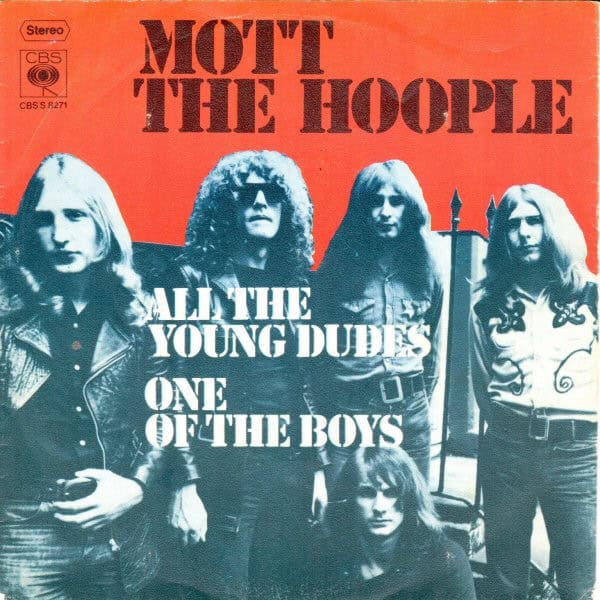
Graham’s involvement in Bowie’s 1972 circle also connects with Mott the Hoople’s All the Young Dudes. Personnel accounts identify him among the contributors to the recording’s handclaps.
This was a separate kind of participation from his piano work in Bowie’s performing band. All the Young Dudes was a Mott the Hoople recording of a Bowie composition, produced by Bowie.
Graham’s contribution was modest but specific. It does not establish a principal instrumental role, and it should not be described as a piano credit.
The connection nevertheless reveals something about the professional environment around Bowie. Musicians and colleagues could become involved in different projects within the same circle, with recording sessions bringing together people whose main responsibilities lay elsewhere.
For Graham, the credit adds another documented connection with the music being made around Bowie during 1972. It belongs alongside the broadcasts and performances while retaining the different scale and nature of his involvement.
Leaving the band before the Rainbow concerts
Graham’s time in the performing line-up ended during the British phase of the Ziggy Stardust period. The MainMan historical account places his replacement before the Rainbow Theatre concerts of 19 and 20 August 1972, when Matthew Fisher played piano.
In his later interview, Graham associated his departure with having upset Angie Bowie. This remains his retrospective explanation; the available account does not establish the detailed circumstances of a disagreement.
Nicky Graham remembering Bowie’s emergence
“It was fantastic as he was just on the edge of breaking.”
— Nicky Graham, interviewed by Andy Jones, Classic Pop, June 2018.
The positive memory and the departure belong within the same account. His association ended before the first American Ziggy tour, but it had already placed him inside Bowie’s British breakthrough.
The Rainbow dates provide a useful boundary because they belong to another pianist’s participation. Graham’s contribution is better represented by the events securely connected with him than by extending his tenure across concerts played by somebody else.
Fisher, Lumley and Garson: the changing piano position
The piano position changed several times during 1972. After Graham’s involvement, Matthew Fisher played the Rainbow Theatre concerts. The MainMan account then identifies Robin Lumley as the pianist for the remaining British dates before the first American tour.
Mike Garson joined in New York during September, beginning the much longer professional relationship for which he became known. These musicians contributed at different stages and should not be combined into one continuous credit.
The distinction is particularly relevant to recordings such as Live Santa Monica ’72 and the filmed Hammersmith Odeon concert of July 1973. Both belong to the Ziggy Stardust period, but neither represents Graham’s performing line-up.
The changes also show that the live operation was still developing. Bowie did not carry one unchanged ensemble from the early British appearances through every subsequent concert.
Graham’s role belongs to the British breakthrough and its surviving radio, television and concert evidence. Fisher, Lumley and Garson each have their own place in the sequence that followed.
After Bowie: Polydor and the move into artist development
After leaving Bowie’s performing band, Graham moved towards record company work. His career included a position at Polydor before he joined CBS, redirecting his professional life towards the recording and development of other artists.
In his later account, he recalled beginning with duties that included looking after visiting performers. His musical opinions subsequently helped open the way to an artist and repertoire role.
That development brought his experience as a performer into another part of the business. He had already worked with managers, recording personnel and fellow musicians; he was now becoming involved in decisions surrounding other people’s material and recordings.
Production and songwriting became increasingly important alongside the record company responsibilities. Graham’s later career would combine those activities rather than settle permanently into one narrow job description.
The change also created a substantial distance from touring. Instead of being known principally for the instrument he played on stage, he increasingly appeared in the credits attached to songs and finished recordings.
Ten years at CBS and a career beyond the stage
A contemporary Music Week report from May 1984 recorded Graham’s departure from CBS after ten years as a staff producer and senior A&R manager. It also identified his previous work at Polydor and his earlier professional activity as a musician playing piano with Bowie.
The report supplies a useful chronological anchor. His independent production career did not begin immediately after the Ziggy period; a substantial record company career stood between the two.
His PRS biography identifies work with artists including The Nolans, David Essex, Barbara Dickson, Bonnie Tyler and Andy Williams. The range places him within a broad commercial recording environment.
These years were a major part of his working life. The different performers, repertoires and audiences required him to move beyond the musical identities of his own earlier groups.
When Graham subsequently established himself independently, he did so with experience on several sides of the industry: as a group member, supporting musician, record company employee, writer and producer.
The Nolans and Chemistry
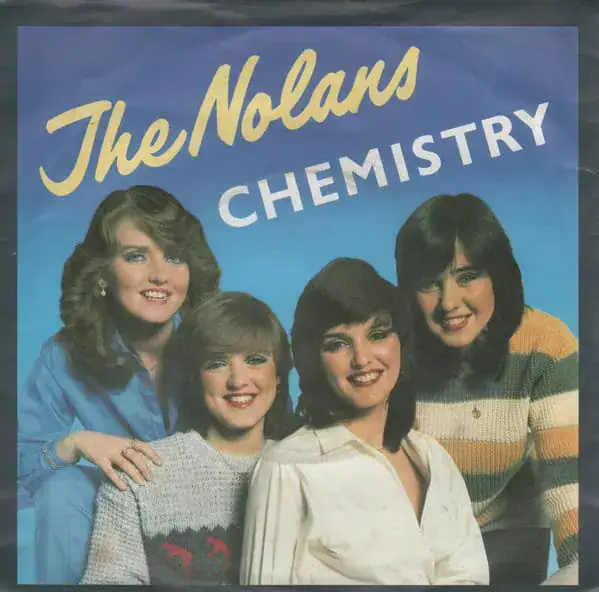
Graham’s work with The Nolans provides a specific example of his developing songwriting and production career. Their 1981 single Chemistry carries a writing credit shared by Nicky Graham and Robin Smith.
Contemporary trade listings also identify Graham as the producer. The record therefore documents his involvement both in the composition and in its recorded presentation.
The song belongs to a musical setting far removed from his appearances with Bowie. It places him within commercial pop at the beginning of the 1980s, working with a vocal group whose audience extended well beyond the British rock circuit.
The distinction between the two credits is useful when exploring his career. A writer contributes to the song; a producer helps determine the recording through which the listener encounters it. On this project, Graham’s involvement crossed both areas.
Chemistry consequently provides a concrete example of his work beyond Bowie, rather than merely another artist’s name in a long list of associations.
Bros: songwriting and production for a new generation
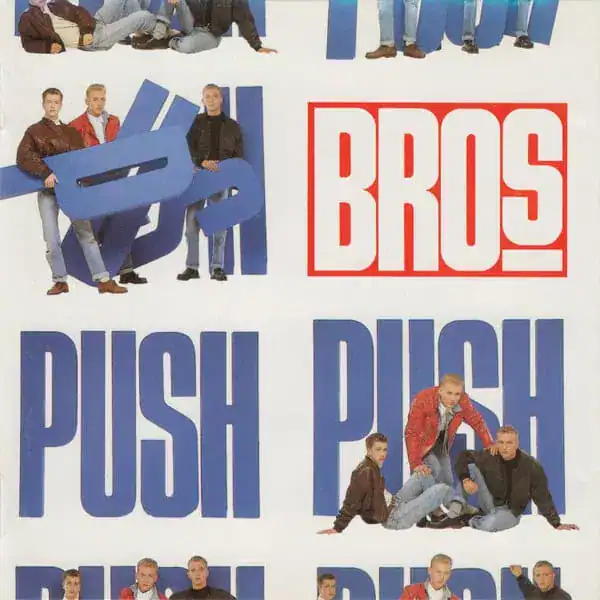
During the second half of the 1980s, Graham became closely associated with Bros, featuring Matt Goss, Luke Goss and Craig Logan. His work with manager and songwriter Tom Watkins contributed to records that reached a large international audience.
Graham’s PRS biography identifies When Will I Be Famous? and I Owe You Nothing among the songs connected with the collaboration. His work brought composition and production together within a highly visible pop project.
The group offered a different public presentation from the bands in which Graham had played. He was contributing from behind the recording rather than appearing as one of the performers promoted to the audience.
That change of position is central to his professional story. Listeners who knew the Bros records might encounter his name in the credits without knowing about The End, Tucky Buzzard or his appearances with Bowie.
The collaboration established another independent chapter in his career. It should be understood through the songs and recordings themselves, alongside the performances and identities of the three group members.
I Owe You Nothing: a hit on its second release
The history of I Owe You Nothing demonstrates that a widely recognised hit does not necessarily succeed immediately. Official Charts records that its first release in 1987 missed the British Top 75.
When the song returned in 1988, Bros had already established themselves through When Will I Be Famous? and Drop the Boy. The reissued recording reached number one in Britain, remaining there for two weeks.
The later release therefore arrived in different circumstances. The group had acquired a much larger audience, and a song that had initially attracted limited chart attention became their British chart-topper.
For Graham, it was a particularly visible achievement within his work beyond Bowie. It connected his name with a new generation of pop listeners and with a separate period of British chart history.
The sequence also distinguishes the song’s first appearance from its eventual commercial peak. Its success was part of a developing career, rather than an isolated record that immediately found its largest audience.
PJ & Duncan: a route from television into pop
Graham’s later work included PJ & Duncan, the recording identities used by Ant McPartlin and Declan Donnelly during their early music career. Their names came from characters in the television series Byker Grove.
Official Charts identifies Tonight I’m Free as their first hit in 1993. Graham produced the recording, and his subsequent work with the duo included Let’s Get Ready to Rhumble.
The performers already had a television identity, while records created another way of reaching their audience. Graham became involved in the process through which that screen recognition developed into a recording career.
This was a different situation from producing a touring rock group or an established vocal act. The musical project existed alongside the performers’ television work and the characters through which many listeners first recognised them.
For Graham, it added another example of working with a new public identity. The connection with Bowie lies in the breadth of the same career, rather than in any claim that the projects shared a musical style.
Let Loose and the success of Crazy for You
Graham’s production work also included Let Loose, whose Crazy for You became a major British hit in 1994. Official Charts records a peak of number two for that release.
The chart run shows the recording building its position over several weeks rather than immediately arriving at its highest point. It spent nine weeks in the Top 10 and continued appearing in the wider chart after its peak.
Graham’s role belongs to the production history, with the band’s composition and performance remaining distinct. The success illustrates his continuing work with contemporary material rather than a return to the repertoire of his own performing years.
By this stage, his professional life had already crossed several changes in British popular music. The distance from the psychedelic recordings of The End to Let Loose was considerable, but the work formed part of the same continuing career.
The record also provides a useful reminder of his position behind the performers. His contribution was heard by an audience much larger than the number of listeners likely to recognise his name.
1994: returning to the Spiders’ musical world for Mick Ronson
Graham’s later career included a return to the musical community associated with his Bowie years. He played piano at the Mick Ronson Memorial Concert, held at London’s Hammersmith Apollo in April 1994.
Bowie’s official website subsequently documented his participation when discussing an expanded CD release of the concert. It identified Graham as an original touring Spider and also noted the involvement of guitarist Bill Nelson.
The occasion connected him with the memory of a musician beside whom he had performed during 1972. It brought together people from Ronson’s wider musical history rather than restoring one exact historical Bowie line-up.
Graham’s professional life had moved towards songwriting and production, but the concert showed that his earlier association remained part of a shared musical past.
Its importance within this biography is therefore personal and professional. More than twenty years after the British Ziggy appearances, he again participated in a performance linked with the musicians and repertoire of that period, on an occasion devoted to honouring Ronson.
Producing Once in a Lifetime: a documented studio method
A Sound on Sound feature published in March 2000 provides a practical view of Graham’s production work. It followed the development of Once in a Lifetime, a competition-winning song by Ian Gibbs and Terry McCreith, sung by Michelle Montuori.
Graham worked alongside vocal producer Deni Lew, developing the recording through sessions in New York and at Maximum Music. The account describes changes to the arrangement and sounds, showing how a submitted demo became the starting point for further work.
Nicky Graham on the importance of groove
“Generally I think a track should have a groove that runs all the way through.”
— Nicky Graham, interviewed by Tom Flint, Sound on Sound, March 2000.
The feature preserves Graham explaining his own decisions. It offers a different perspective from a discography: the producer discussing the work behind a recording, rather than his name appearing only beside the finished result.
Bowie at the Beeb: the 1972 performances enter the official catalogue
The release of Bowie at the Beeb in 2000 made the BBC material available within a major official collection. Its historical recordings covered the period from 1968 to 1972, placing the Ziggy sessions within a broader account of Bowie’s development.
For Graham, the collection gave lasting visibility to performances originally made for radio. His involvement could be heard through an official release rather than being known principally through photographs, recollections or circulating recordings.
The limited three-CD edition also included a separate concert recorded at the BBC Radio Theatre on 27 June 2000. That contemporary performance belongs to a different band and period, distinct from Graham’s contribution to the historical recordings.
The package therefore brought together different moments in Bowie’s BBC history. Graham’s place remains within the 1972 material, where the session dates provide a clear route through the recordings.
For listeners discovering the collection years later, those credits make a brief performing association accessible. They allow the additional pianist to be identified within a period whose public memory is often dominated by the core Spiders.
Supporting producers through the Music Producers Guild
Graham’s later career extended into professional representation. He served as chairman of the Music Producers Guild and was appointed a patron in 2010, alongside Blue Weaver, in recognition of their service to the organisation.
The announcement emphasised the value of their experience to younger members, placing Graham’s accumulated knowledge within a wider professional community.
Steve Levine on Graham and Blue Weaver
“Their willingness to share their knowledge also benefits our younger members”
— Steve Levine, Music Producers Guild chairman, announcing the appointments in 2010.
Levine’s statement refers to both newly appointed patrons. It records why the organisation valued their involvement: they brought experience from different aspects of recording and the music business.
For Graham, the appointment recognised a contribution beyond his own releases. His professional history had become a resource that could be shared with other people working in recorded music.
Let’s Get Ready to Rhumble reaches number one in 2013
In 2013, Let’s Get Ready to Rhumble acquired an unexpected second commercial life. Ant and Dec performed it on Saturday Night Takeaway, prompting a surge in downloads.
Official Charts records that the song reached number one on 31 March 2013, almost nineteen years after its original release. The revival gave PJ & Duncan their first British chart-topping single.
The later success belonged to the original song’s continuing history, but it followed a new encounter with the recording. The performers’ established television careers helped bring an earlier part of their work back to public attention.
For Graham, the revival demonstrated the continuing reach of his songwriting catalogue. A record made for one period found a new commercial moment long after its initial promotion had ended.
The date is important: the song did not originally reach number one in 1994. Its eventual peak was part of an unusual return to the chart, with a familiar recording finding its largest British chart position almost two decades later.
A Gold Badge and wider industry recognition
In 2014, Graham received a BASCA Gold Badge Award. The Ivors Academy’s archive lists him among that year’s recipients, alongside figures including Anne Dudley, Mo Foster, Alison Moyet and Bob Geldof.
The award recognised a career extending beyond a single recording or professional title. Graham’s work had included performance, composition, production and involvement in organisations representing music makers.
Different audiences encountered different parts of that activity. Some knew The End or Tucky Buzzard; others knew the pop recordings he had helped create; Bowie listeners knew the additional pianist visible and audible during 1972.
The recognition places those activities within the same professional life. His industry standing did not depend entirely on having once worked with Bowie, even though that association remained a memorable part of his biography.
For this archive, the award supplies perspective: Graham deserves attention both as a participant in Bowie’s history and as a musician whose later achievements had their own audience and significance.
20th Century Boy: returning to the history of glam rock
Graham’s later creative work included the stage musical 20th Century Boy, based on the life and music of Marc Bolan. The project returned him to a period of British popular music closely connected with his own performing years.
The PRS Members’ Fund identified Graham as a co-writer and producer when reporting on the musical in 2014. A review of the 2018 tour also credited a new script to Graham and Colin Giffin.
The collaboration with Giffin reconnected him with a musician from The End. Their later work together added a theatrical project to a professional relationship extending back to the 1960s.
The musical used Bolan’s songs to present a biographical story. Graham’s involvement concerned the development, writing and production of the stage project, rather than authorship of the original T. Rex compositions.
It provides another documented dimension to his later career. His creative work continued beyond record production, bringing popular music history into a form intended for a theatre audience.
PRS and the responsibilities behind a songwriting career
Graham also served as an elected Writer Director of PRS. His biography in the organisation’s 2019 directors’ ballot booklet outlines a career encompassing performance, record company work, songwriting and production.
This role belonged to the infrastructure behind music rather than its public presentation. Songwriters’ professional interests include the administration of rights and the systems through which their work generates income.
Graham’s own experience covered several relationships with that business. He had been a group member and supporting player, written material for other performers, produced records and worked within major record companies.
His PRS involvement placed that experience within an organisation representing writers whose circumstances could differ considerably from those of a successful recording artist. The work concerned the continuing professional life of compositions as well as their initial appearance.
It is a substantive part of his biography because it shows another way in which he remained involved in music: participating in the structures supporting creators, alongside the individual records attached to his name.
Later archive releases preserve the Bowie connection
The historical recordings continued to reach audiences through later editions. Bowie at the Beeb received a four-LP release in 2016, returning the BBC material to the catalogue in another format.
The 2024 collection Rock ’n’ Roll Star! placed the 1972 radio and television recordings within a wider exploration of Bowie’s development towards Ziggy Stardust. Its official contents include the May BBC sessions and the July Top of the Pops performance.
The collection follows a period of creative development through different kinds of evidence, including demos, broadcasts, studio material and live recordings. Graham’s appearances form part of that larger sequence.
For his individual history, the importance lies in the continued availability of identifiable performances. Listeners can hear the recordings associated with his period rather than relying on a general statement that he once toured with Bowie.
These releases preserve a contribution made during a short professional association. They also make it possible for new listeners to discover the additional musicians involved in the development of the Ziggy presentation.
Remembering Nicky Graham in 2024
Graham died on 3 February 2024, aged 79. His death brought together memories from different parts of his career, including his early groups, his songwriting and production work, and his service within music organisations.
The family memorial website presents a personal perspective alongside those professional identities. Its description remembers a husband, father, relative and friend as well as a musician and producer.
A family remembrance
“Bringer of joy and teller of jokes”
— The Graham family’s public memorial tribute to Nicky Graham.
His life was celebrated at St Mary’s Church, West Horsley, on 8 March 2024. The memorial account records his request that those attending wear something red.
The tribute’s photographs, videos and memories bring together the public and private sides of his life. They preserve an individual remembered by people who knew him, beyond the career that can be reconstructed from recordings and professional appointments.
Legacy: a brief Bowie collaboration within a substantial musical life
Nicky Graham‘s place in David Bowie’s history is defined by a short but documented period. He played piano during the emergence of Ziggy Stardust, participated in BBC recordings and appeared within the expanded ensemble presented to television audiences in July 1972.
Those contributions belong to the months when Bowie’s new repertoire and visual identity were reaching a wider public. Graham was present before the first American tour and before Mike Garson established the much longer piano association familiar to later audiences.
The surviving evidence gives his contribution an individual identity. The session dates establish his involvement, while the broadcasts and concert footage preserve examples of his work. His retrospective interview supplies a personal account of entering the organisation and briefly becoming part of the performing band.
His wider career adds a separate significance. The End and Tucky Buzzard document the musician before Bowie; later recordings demonstrate the songwriter and producer; professional appointments record his participation in organisations supporting other music makers.
These activities should be considered together without making the Bowie association responsible for everything that followed. Graham developed his career over decades, adapting to different performers, audiences and working environments.
Within Bowie’s collaborative history, he represents the additional musicians whose contributions can become less visible when a period is remembered principally through its central figures. Recognising his work makes the account of 1972 more complete.
His legacy extends from those identifiable performances to songs heard by audiences who may never have known about his earlier life on stage. The pianist associated with Ziggy Stardust became a contributor to several later chapters of British popular music.
Official Website & Further Information
A useful public resource for Graham’s life is the family memorial website. It brings together photographs, videos, messages and information about the celebration of his life. It is a memorial resource rather than an active professional booking website.
Nicky Graham — family memorial and archive
For his own recollections, Andy Jones’s Classic Pop interview covers the route from his early groups to Bowie and his later pop career. The interview appeared in the magazine’s June 2018 issue; its website subsequently presented the article with a later publication date.
Classic Pop — interview with Nicky Graham
The Bowie recordings can be explored through Bowie at the Beeb and Rock ’n’ Roll Star!, with their accompanying session information. The collections contain material from different line-ups, so the recording dates remain useful when following Graham’s participation.
For the earlier groups, Bill Wyman’s official archive and Demon Music’s release documentation provide information about The End and Tucky Buzzard. These resources extend the story beyond the Bowie connection and help place his 1972 work within an already established career.
The sources offer complementary perspectives: personal recollection, family remembrance, recording documentation and professional history. Together they provide a fuller account of Graham than any single career summary.
Article Origin
This article has been researched and written for DavidBowieWorld.com as part of its David Bowie Collaborations & Creative Circle Archive. It draws on published interviews, artist and record company archives, BBC session documentation, contemporary trade reporting and public music industry records.
The article distinguishes between dated documentation and retrospective recollection. Graham’s account of joining Bowie’s organisation and his explanation of leaving the band are presented as his own later testimony.
The quotations are short excerpts from published sources. The production quotation concerns Graham’s studio approach, while Steve Levine’s statement refers jointly to Graham and Blue Weaver. The family remembrance comes from the public memorial website.
No direct cooperation with Graham or his family is claimed. The use of publicly available testimony, photographs listed by an archive or family remembrance does not imply personal correspondence with this website.
Particular attention has been given to the piano chronology of 1972. Graham’s BBC involvement is documented before August, while the Rainbow Theatre concerts belong to Matthew Fisher‘s participation. Robin Lumley and Mike Garson are identified separately in the sequence that followed.
Touring and broadcast appearances have also been kept distinct from credits on the original studio recordings. An overall session credit is not treated as proof that a musician plays throughout every song.
Where the sources used here do not securely establish an exact first concert or final appearance, the article does not supply one. Further contemporary documents or first-hand material may allow those details to be refined.
The purpose is to preserve Graham’s contribution at its documented scale: a brief but identifiable association with Bowie, situated within a much longer working life in music.
Selected research sources:
- Andy Jones, Classic Pop — interview with Nicky Graham
- BowieWonderworld — David Bowie BBC radio sessionography
- MainMan — Episode 59: the changing piano position in 1972
- David Bowie official website — Starman and the Top of the Pops recording
- David Bowie official website — Mick Ronson Memorial Concert release
- Demon Music Group — The Complete Tucky Buzzard
- Bill Wyman official website — The End retrospective
- John Walshe, Hot Press — Bowie at the Beeb review
- Tom Flint, Sound on Sound — Recording Once in a Lifetime, March 2000
- Fast-and-Wide — Music Producers Guild patron appointments, 2010
- PRS — 2019 directors’ ballot booklet
- The Ivors Academy — 2014 Gold Badge recipients
- Nicky Graham — family memorial
© DavidBowieWorld.com — David Bowie Collaborations & Creative Circle Archive.
