
Tim Renwick – David Bowie’s 1969 Album and Junior’s Eyes

Tim Renwick (born 7 August 1949 in Cambridge, England) is a British guitarist whose work with David Bowie belongs to the recording and performing period surrounding Bowie’s second album in 1969. As a member of Junior’s Eyes, he contributed to the album and backed Bowie in concert and at the BBC.
His subsequent career took him into different musical settings, from Quiver and the Sutherland Brothers to Al Stewart, Eric Clapton and Pink Floyd. The Bowie recordings preserve an early chapter in a working life that developed across bands, recording studios and international stages.
- Born: 7 August 1949, Cambridge, England
- Principal instrument: Guitar
- Bowie album: David Bowie (1969), later reissued as Space Oddity
- Bowie performances: Junior’s Eyes backing appearances and the BBC session of 20 October 1969
- Associated artists: Al Stewart, Sutherland Brothers & Quiver, Elton John, Eric Clapton and Pink Floyd
Cambridge and the move to London
Renwick grew up in Cambridge and played in local groups before moving to London in 1968 to work with Jackie Lomax. He remembers rehearsing at Apple’s headquarters in Savile Row and performing at Liverpool’s Cavern Club.
An early professional recording engagement took him to Abbey Road’s Studio Two for a session with Peter and Gordon. These jobs introduced him to the practical demands of playing for other artists alongside his own band work.
Cambridge also placed him close to musicians who would become central to Pink Floyd’s history. He knew Syd Barrett and Roger Waters through the local school environment and saw David Gilmour’s pre-Floyd group, Jokers Wild. Those early acquaintances preceded his professional work with Gilmour and Waters by many years.
Moving to London widened the range of opportunities available to him. A band engagement could lead to a studio booking, while playing for a duo required different decisions from performing in a larger electric group. His early career already crossed the boundary between being a band member and contributing to someone else’s recording.
Joining Junior’s Eyes

Renwick joined Junior’s Eyes in 1969. Led by guitarist and songwriter Mick Wayne, the group became the immediate setting for his introduction to Bowie. Renwick’s own account describes touring in Britain and Europe, including a month at Hamburg’s Star Club.
Producer Tony Visconti connected the musicians with Bowie. The relationship brought a working band into the singer’s recording circle, rather than assembling every player through a separate session booking.
Tim Renwick on the introduction
“The band were introduced to David Bowie via producer Tony Visconti”
Source: Tim Renwick, autobiographical history on his official website.
Wayne and Renwick provided two guitar voices within the later Junior’s Eyes line-up. Lodge and Cambridge formed the bass-and-drums foundation of the group that worked with Bowie. This combination is important to the collaboration: Renwick was part of an ensemble whose members already shared band experience, rather than a guitarist appearing in isolation.
The second David Bowie album

Bowie’s second album appeared in Britain as David Bowie in November 1969. Its American title was Man of Words/Man of Music; the familiar album title Space Oddity came with RCA’s 1972 reissue. Renwick’s work is associated with this album, which followed Bowie’s separate, self-titled debut of 1967.
The album credits list Renwick on electric guitar, flute and recorder. Visconti produced the album’s main sessions, while Gus Dudgeon produced “Space Oddity”, the song that later gave the record its enduring album title.
Bowie’s material extended beyond the astronaut narrative of the opening track. Songs such as “Cygnet Committee”, “Janine” and “An Occasional Dream” placed different demands on the arrangements, combining longer structures with more compact and intimate writing.
The broader recording cast included acoustic guitarist Keith Christmas, keyboard player Rick Wakeman and other musicians contributing to particular arrangements. The album moved between acoustic intimacy, electric band passages and additional instrumental colours. Renwick’s woodwind credits are part of that wider palette, alongside his principal role as a guitarist.
“Unwashed and Somewhat Slightly Dazed” allows the music to grow into an extended band performance, whereas “An Occasional Dream” occupies a shorter, gentler space. Listening across the album gives a fuller impression of the project than concentrating only on its opening hit.
The album and the “Space Oddity” single
A distinction matters when describing Renwick’s contribution: Mick Wayne played electric guitar on the original 1969 “Space Oddity” single. Wayne’s playing helped establish the single’s distinctive electric textures, while Renwick’s contribution belongs to the wider album sessions.
The distinction also explains why descriptions of the Space Oddity sessions can refer to different groups of players. The name is used for both a particular song and the album’s later reissue. Renwick’s connection encompasses the album and the backing band that subsequently performed Bowie’s material.
Remembering Bowie at Trident
Renwick’s published memories describe a musician who was approachable but still anxious in the studio. This recollection concerns the Bowie he encountered at Trident, before the later stage characters and large touring productions became established.
Tim Renwick on working with Bowie
“David was very easy to work with, but rather nervous in the studio.”
Source: Tim Renwick, interview with Joe Matera, Guitar Player, 17 January 2026.
Backing Bowie in Scotland
In the same interview, Renwick recalled Bowie asking Wayne whether Junior’s Eyes could provide backing for a series of Scottish performances. He remembered roughly six or seven dates, including Dunfermline, and audiences who had difficulty placing Bowie’s music.
These recollections show the collaboration moving beyond recording. Bowie was working out how to present himself in front of audiences, with Junior’s Eyes supplying the instrumental support for that return to live performance.
The BBC session of 20 October 1969
David Bowie with Junior’s Eyes — BBC Dave Lee Travis Show session, recorded on 20 October 1969, featuring Tim Renwick and Mick Wayne on guitar.
Bowie recorded for the Dave Lee Travis Show on 20 October 1969 at the BBC’s Studio Two, Aeolian Hall, London. Renwick played alongside Wayne, bassist John “Honk” Lodge and drummer John Cambridge, with Bowie singing and playing acoustic guitar.
The session included “Let Me Sleep Beside You”, “Unwashed and Somewhat Slightly Dazed” and “Janine”. The combination paired an earlier composition with songs from the forthcoming album and preserved the sound of the backing musicians in a separate radio recording.
The session belongs to the Junior’s Eyes collaboration. It is distinct from Bowie’s BBC Sunday Show recording of February 1970, which featured Mick Ronson and Tony Visconti alongside Cambridge.
During the accompanying interview with Brian Matthew, Bowie discussed his chart success and the difficulties of reproducing “Space Oddity” in a radio studio. He joked about the scale of the instrumental forces needed for its sound. The programme instead presented other songs, giving the band room to work with a different selection of material.
The interview also names Junior’s Eyes, preserving recognition of the backing group within the broadcast material itself. Alongside the music, it captures Bowie explaining his work at the moment when the single was bringing him wider public attention.
The Purcell Room and stage fright
Renwick’s official history also records a performance with Bowie at London’s Purcell Room. In his published interview, he remembered a South Bank appearance for the intensity of Bowie’s nerves.
Tim Renwick on Bowie’s stage fright
“I’d never seen anyone have such bad stage fright.”
Source: Tim Renwick, recalling a South Bank performance in Guitar Player, 17 January 2026.
The recollection adds a personal dimension to the performance. In the studio, musicians could develop a recording through successive attempts; on stage, the songs had to reach an audience in real time. Renwick’s memory preserves the pressure Bowie felt on that occasion, alongside the more familiar history of the finished records.
Separate paths after Junior’s Eyes
Junior’s Eyes disbanded in 1970. Bowie continued towards the heavier music of The Man Who Sold the World, while Renwick’s next band took a more country-influenced direction. The musicians who had shared the 1969 project began developing separate careers.
Looking back, Renwick said he had been considered for further work with Bowie around The Man Who Sold the World, but the arrangement did not happen. Bowie’s partnership with Ronson developed instead. Renwick’s recollection describes a possible continuation, rather than a recording credit on that album.
Quiver: a new band and two albums
Quiver: a new band and two albums
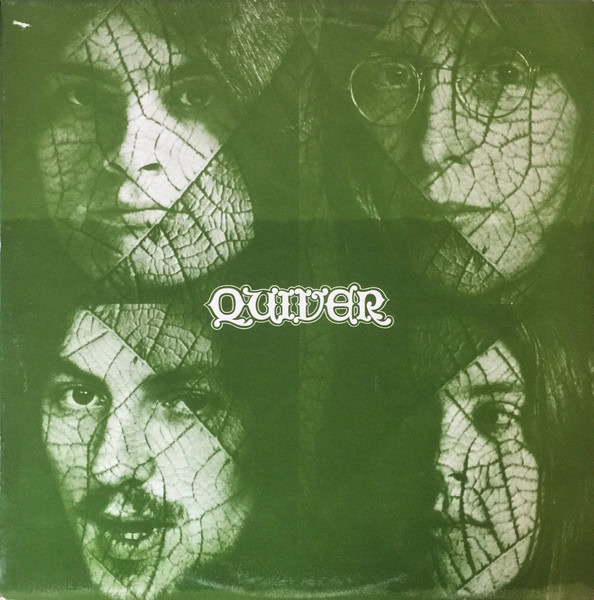
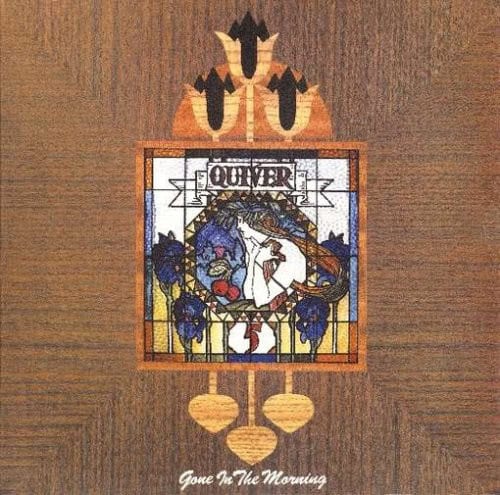
Renwick formed Quiver with Canadian guitarist and singer Cal Batchelor. The established recording line-up also included bassist Bruce Thomas and drummer Willie Wilson. Warner Bros. released the self-titled debut in 1971, followed by Gone in the Morning in 1972.
The group gave Renwick a continuing band identity after Junior’s Eyes. Its blend of rock with country and folk influences placed singing and guitar interplay at the centre of the music, opening a different route from the psychedelic setting of Wayne’s earlier projects.
Quiver’s two original albums preserve this phase before the partnership with the Sutherland Brothers. The group’s name would remain part of the combined act’s billing, connecting its independent beginnings with the better-known records that followed.
Quiver and the Sutherland Brothers
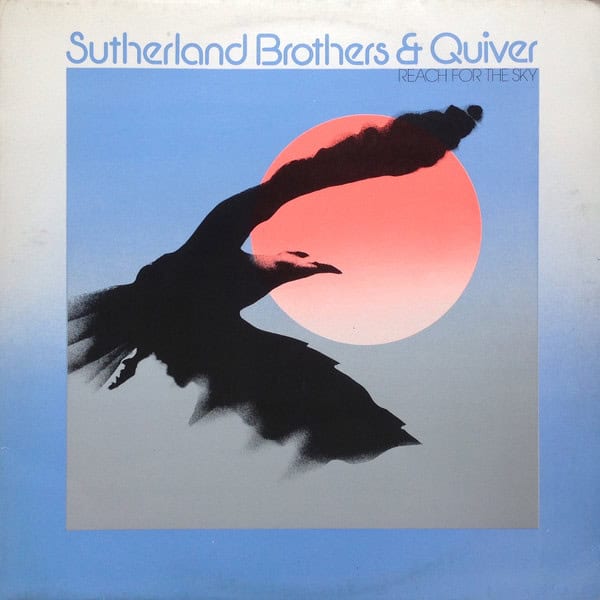
Quiver joined forces with the Sutherland Brothers in the early 1970s. Their combined career included “Arms of Mary”, released on the 1975 album Reach for the Sky and a British hit in 1976.
This phase placed Renwick in a group with its own repertoire and commercial identity. It represents a substantial part of his musical history after the brief Bowie collaboration.
The combined act recorded Dream Kid in 1973 and Beat of the Street in 1974. With Iain and Gavin Sutherland supplying the vocal and songwriting partnership, Renwick’s guitar worked within songs designed around that shared identity.
“Arms of Mary” reached number five in Britain and topped the charts in the Netherlands and Ireland. Its success brought the group to a much wider audience, while the surrounding albums show that Renwick’s work with them extended beyond one familiar single.
Al Stewart before the breakthrough
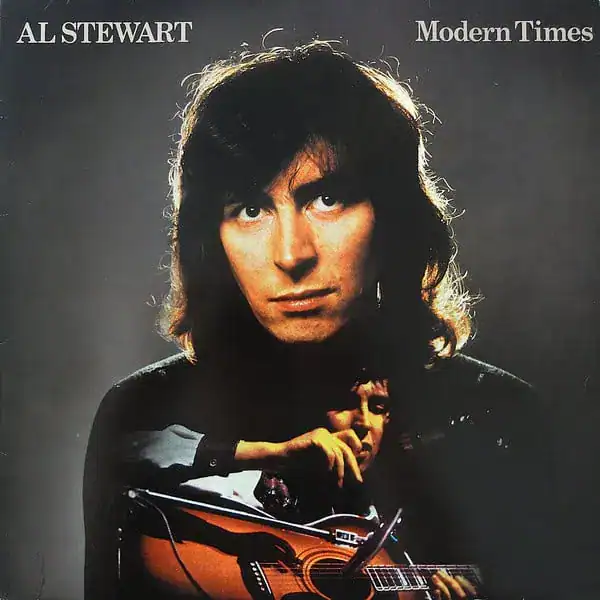
Renwick played on Orange and Past, Present and Future before Stewart’s commercial breakthrough. The partnership continued on Modern Times, recorded at Abbey Road and released in 1975 with Alan Parsons producing.
Stewart’s writing often developed stories through detailed lyrics. Renwick’s electric guitar supplied another expressive line within those songs, responding to their changing moods without displacing the vocal narrative. “Carol” and “Apple Cider Re-Constitution” offer examples of the lead playing Stewart particularly valued.
Al Stewart on Renwick’s playing
“His guitar style is almost ideal for folk-rock”
Source: Al Stewart, interviewed for Stephen K. Peeples’s Modern Times reissue liner notes, 1992.
Al Stewart and “Year of the Cat”
Al Stewart — “Year of the Cat” (1976), featuring Tim Renwick on guitar.
Renwick’s guitar became an important part of Al Stewart’s recordings during the 1970s. His playing on “Year of the Cat”, the title track of Stewart’s 1976 album, is among his most recognisable contributions.
The instrumental sequence develops from acoustic guitar to electric guitar and then saxophone. Renwick’s melodic electric playing builds within that arrangement, giving the song an extended instrumental passage while retaining its connection to the vocal melody and atmosphere.
Stewart’s records offer a different listening context from Bowie’s 1969 album: more sustained collaborations in which Renwick’s guitar could become a recurring feature of a singer’s sound.
Elton John: recordings and live work
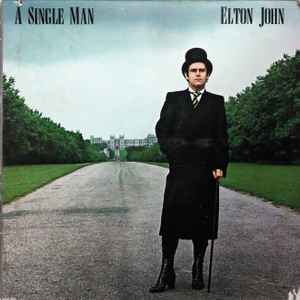
Renwick also contributed to Elton John’s A Single Man, released in 1978. The album belongs to the period of Elton’s partnership with lyricist Gary Osborne and includes “Part-Time Love” and “Song for Guy”.
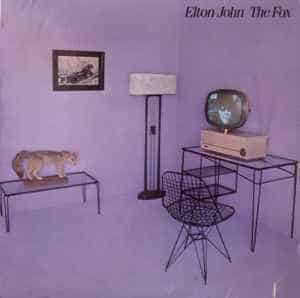
He later took part in work on The Fox, released in 1981, and toured with Elton. These engagements required guitar parts to fit a musical setting led by piano and voice, with the backing musicians supporting both the songs’ arrangements and their presentation on stage.
Renwick’s connection with Elton therefore included artist sessions and touring, adding another substantial strand to a career that continued to move between recording projects and established live bands.
Lazy Racer and his first solo album
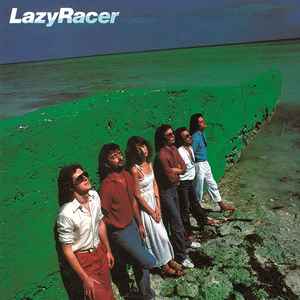
Another project brought Renwick together with producer Glyn Johns. Lazy Racer combined British and American musicians, including bassist Dave Markee and drummer Henry Spinetti. Their self-titled album appeared on A&M in 1979, with recording undertaken in the Bahamas.
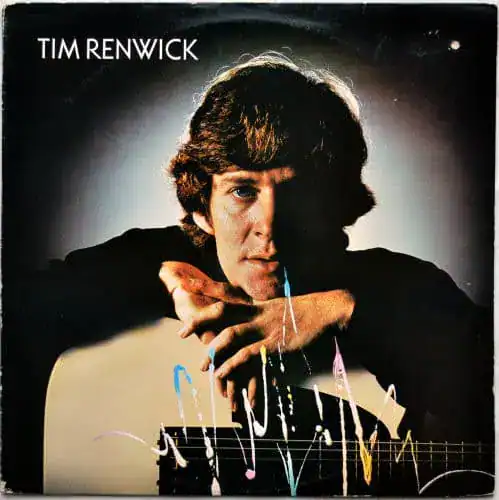
Renwick’s own self-titled solo album followed in 1980, also produced by Johns. These records placed him in a different relationship to the finished music: he could develop work under his own name and within a studio-based group, alongside his ongoing contributions to other performers’ releases.
Roger Waters, Eric Clapton and Live Aid
Eric Clapton performing at Live Aid in Philadelphia on 13 July 1985, with Tim Renwick on guitar.
In 1984, Renwick joined Roger Waters for The Pros and Cons of Hitch Hiking tour, sharing guitar duties with Eric Clapton. He subsequently joined Clapton’s touring band in 1985.
That engagement included Live Aid in Philadelphia on 13 July 1985. Renwick appeared with Clapton at the American concert, while Bowie performed at Wembley in London. The two musicians’ careers intersected with the same international event through different bands and venues.
Pink Floyd and Live 8
Pink Floyd performing at Live 8 in Hyde Park, London, on 2 July 2005, with Tim Renwick on guitar.
Renwick joined Pink Floyd’s touring musicians in 1987, working alongside David Gilmour during the A Momentary Lapse of Reason period. He returned for the 1994 tour, documented on Pulse.
On 2 July 2005, he also supported Pink Floyd’s reunion at Live 8 in Hyde Park. Gilmour, Roger Waters, Richard Wright and Nick Mason performed together, with Renwick among the additional musicians.
The reunion brought together the familiar Pink Floyd members and experienced supporting musicians for a short performance at the charity event. Renwick’s place in the ensemble linked him with a significant final chapter in the history of that four-member line-up.
Preserving the Pink Floyd tours on record and film
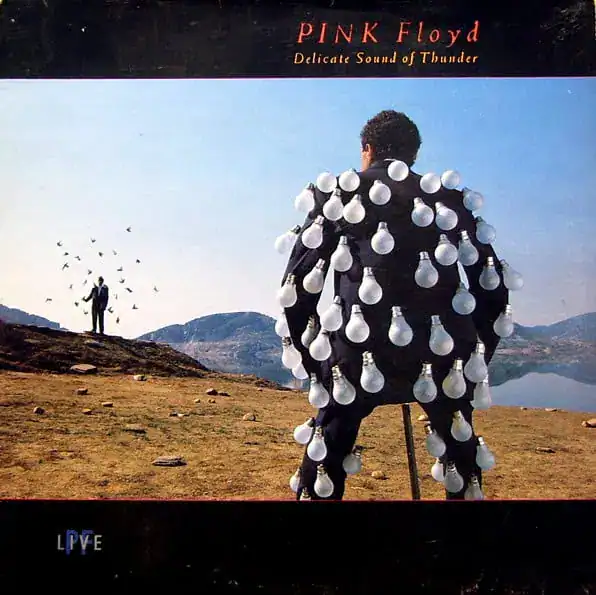

Delicate Sound of Thunder documents the Pink Floyd touring ensemble of the late 1980s, with Renwick credited on guitar and vocals. Alongside Gilmour, Nick Mason and Richard Wright, the expanded stage line-up included musicians such as Guy Pratt, Jon Carin and Gary Wallis.
The later Pulse release preserves the 1994 touring period. Together, the concert recordings make Renwick’s role within these large arrangements available beyond memories of the original shows. They provide a visual and musical record of how the additional players supported Pink Floyd’s repertoire on stage.
Production music and life in Cornwall
Alongside touring and artist sessions, Renwick developed a career writing and recording production music. His official history describes moving from London to Cornwall in 1997 and continuing this work in a home studio.
The change allowed a different balance between recording and selected performances. His career therefore extends beyond the well-known albums and concerts to music written for professional use in screen and broadcast settings.
A session musician’s working method
By the mid-1980s, Renwick’s work included artist albums, television themes, advertising music and theatre. He also shared the guitar role in the musical Time with Ray Russell. Such work required him to respond to different musical instructions and production schedules.
He valued the interaction of musicians playing together. In a contemporary interview, he described enjoying a Jennifer Rush recording session with Gus Dudgeon because the players were present at the same time. That preference helps explain the importance of ensemble playing within a career often described simply as session work.
Privateer and his instrumental recordings


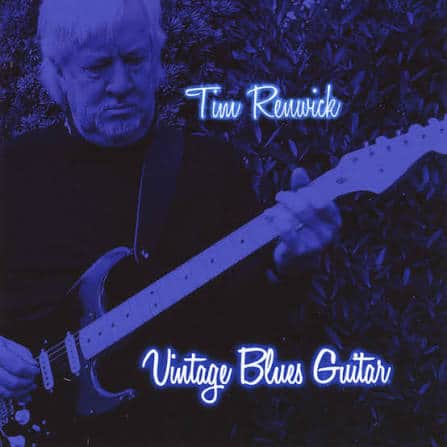
Renwick’s instrumental collections include Privateer, Privateer II and Vintage Blues Guitar. These projects offer a view of him as a composer and recording musician outside the songs of his better-known collaborators.
Privateer features contributions from musicians including bassist Guy Pratt, drummer Henry Spinetti and percussionist Frank Ricotti. On Privateer II, Renwick handles most of the instruments himself, with guests contributing to selected parts. The recordings bring his melodic interests into a setting where the instrumental writing carries the music.
Archive releases and the 1969 recordings

Later releases have made the Junior’s Eyes collaboration easier to hear. Bowie at the Beeb includes performances from the October 1969 session, while the 2009 anniversary edition of Space Oddity brought together all three songs recorded that day.
The Conversation Piece collection followed in 2019, presenting the BBC material within a wider exploration of Bowie’s 1968–1969 work. It also included a new mix of the second album by Visconti.
The studio album and radio session provide complementary evidence: one preserves the released arrangements, while the other documents Bowie performing with the Junior’s Eyes musicians in another recording setting.
Legacy: the musician within the ensemble
Renwick’s place in Bowie’s history rests on identifiable work: the second album, backing appearances and the surviving BBC session. These contributions document the period when Bowie’s songwriting was developing beyond his debut and into the material that surrounded his first major hit.
His later recordings with Stewart and performances with Pink Floyd provide a broader view of his guitar playing. Heard together, they reveal a musician able to work within different ensembles and support arrangements with distinct musical priorities.
Official Website & Further Information
Tim Renwick’s official website is timrenwick.com. It contains his autobiographical career history and information about his music. Its chronology is particularly useful for distinguishing his Bowie work from his later touring engagements.
For the Bowie collaboration, the 1969 album and its expanded editions can be explored alongside the preserved BBC recordings. His recordings with Quiver, the Sutherland Brothers and Al Stewart offer further listening beyond the Bowie sessions. The Pink Floyd concert films show him working within a larger stage ensemble.
First-Hand Contributions
This page includes published first-hand recollections by Tim Renwick about recording and performing with Bowie. It also includes Al Stewart’s assessment of Renwick’s guitar playing. Each quotation retains an individual acknowledgement beside the quoted words.
DavidBowieWorld.com welcomes additional first-hand memories, original photographs, correspondence and dated documents relating to Renwick’s work with Bowie and Junior’s Eyes. Contributions from participating musicians, crew members and audience members can add detail to the surviving recording and performance history.
Article Origin
This article has been researched and written for DavidBowieWorld.com as part of its David Bowie Collaborations & Creative Circle Archive. It brings together Renwick’s Bowie recordings, early backing performances and subsequent musical career.
Its focus is the collaboration surrounding Bowie’s second album, considered within Renwick’s broader development as a guitarist, band member and composer. The article brings the studio work, live performances and later archive releases into a chronological account of that relationship.
The page will be updated when further reliable information or documented first-hand material becomes available.
© DavidBowieWorld.com — David Bowie Collaborations & Creative Circle Archive.
