
Keith Christmas – Acoustic Guitarist on David Bowie’s 1969 Album
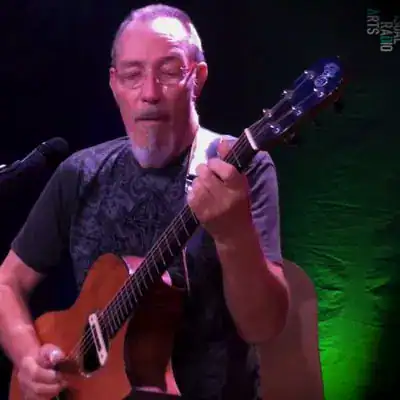
Keith Christmas performing at Milverton Folk Club, 11 June 2012. Photograph by Keithmas. Source: Wikimedia Commons . Licensed under CC BY-SA 4.0 . Image converted to WebP for use on DavidBowieWorld.com.
Keith Christmas is an English singer-songwriter and guitarist whose connection with David Bowie belongs to the creative world surrounding Beckenham in 1969. Bowie heard Christmas perform at the Beckenham Arts Lab and subsequently invited him to contribute acoustic guitar to the album released in Britain as David Bowie in November 1969 and later widely known as Space Oddity.
Christmas did not play on the title song Space Oddity. He has identified his three album performances as Letter to Hermione, God Knows I’m Good and An Occasional Dream. Using a Fender Palomino acoustic guitar while Bowie played twelve-string guitar, he created his parts in the studio without prior rehearsal.
His brief collaboration with Bowie formed only one part of a long career encompassing folk clubs, solo albums, major support tours, the first Glastonbury Festival and a later return to recording and live performance.
- Full name: Keith Peter Christmas
- Born: 13 October 1946, Wivenhoe, Essex, England
- Profession: Singer-songwriter and guitarist
- Primary instrument: Acoustic guitar
- Bowie connection: Acoustic guitar on three songs from Bowie’s 1969 album
- Bowie recordings: Letter to Hermione, God Knows I’m Good and An Occasional Dream
- Guitar used: Fender Palomino acoustic guitar
- First solo album: Stimulus (1969)
Early life and musical beginnings
Keith Christmas was born in Wivenhoe, near Colchester in Essex, on 13 October 1946. He later studied architecture at the University of Bath. Because the university’s architecture school was then based at Kingsweston House in Bristol, his student years also placed him within Bristol’s developing folk-club circuit.
Christmas was drawn to acoustic music and songwriting during a period when British folk performers were increasingly crossing into rock, jazz and progressive music. His guitar playing became central to his work: not merely a way of accompanying songs, but a means of building rhythm, harmony and changing textures around his voice.
While still a student, he was signed to Sandy Roberton’s September Productions. Roberton arranged a recording agreement with RCA Victor, leading to Christmas’s first album. Balancing university work with performances and journeys to London, Christmas began a professional career before completing his degree.
Stimulus and the beginning of a recording career
Keith Christmas – Stimulus
Christmas recorded his debut album, Stimulus, at Sound Control in Chelsea in 1969. Members of Mighty Baby backed him during the sessions. Christmas later remembered arriving with no previous studio experience and recording on four-track equipment, which required instruments and vocals to be combined during the recording process rather than separated into the large number of tracks available in later studios.
The album established Christmas as a recording artist at the same time that he was appearing at folk clubs and acoustic events. That activity brought him to Beckenham and into the circle surrounding Bowie during a decisive period in Bowie’s early career.
The Beckenham Arts Lab
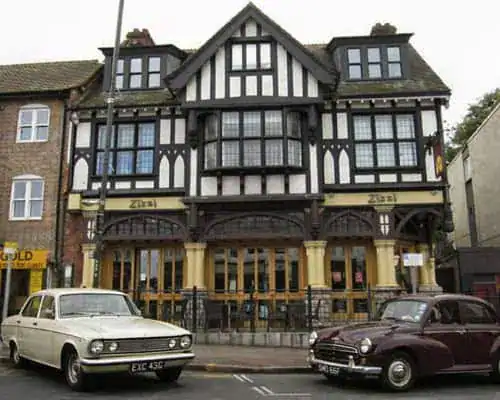
Christmas first encountered Bowie in 1969 through an acoustic-music evening at the Three Tuns pub in Beckenham High Street. The events were associated with the Beckenham Arts Lab, also known as Growth, which developed around Bowie, Mary Finnigan and other local participants. The Arts Lab provided space for music, poetry, visual art and performance at a time when Bowie was attempting to build a wider creative community in Beckenham.
Christmas was booked as a featured performer, while Bowie appeared regularly as the resident singer. Christmas’s official biography records that he played several Arts Lab engagements as the main act. Bowie heard his guitar work there and later asked him to participate in the album he was then recording.
The two musicians were at different stages of their careers, but both were moving beyond conventional folk performance. Christmas was beginning his recording career, while Bowie was combining acoustic songwriting with increasingly ambitious studio arrangements and ideas drawn from theatre, mime and the emerging counterculture.
Keith Christmas on the recording process
“Again, there was no rehearsal, just turn up, get a level, he played me some songs and I made up some parts on the spot.”
— Keith Christmas, interviewed by Jason Barnard for The Strange Brew
Joining Bowie’s 1969 album sessions
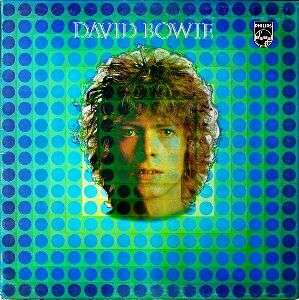
Christmas’s role has sometimes been described imprecisely as playing acoustic guitar on Space Oddity. The wording can suggest that he performed on Bowie’s famous title song, but Christmas’s own account is more specific. He played on three other compositions recorded for the same album: Letter to Hermione, God Knows I’m Good and An Occasional Dream.
The album was originally released in the United Kingdom under the title David Bowie in November 1969. It was subsequently reissued under the title Space Oddity, creating an understandable source of confusion when later biographies referred simply to “the Space Oddity album.” Christmas was an album participant, but he was not part of the instrumental line-up on the hit single itself.
According to Christmas, there was no rehearsal before his contributions were recorded. Bowie played him the songs, and Christmas devised acoustic-guitar parts in the studio. His official biography identifies his instrument as a Fender Palomino acoustic guitar and states that Bowie played twelve-string guitar on the same three recordings.
This working method gave Christmas a clearly defined task: respond to the songs and construct parts that supported Bowie’s existing writing. It was a short session collaboration rather than membership of a continuing band, and there is no evidence that Christmas joined Bowie for a tour or became part of his regular recording group.
Letter to Hermione
David Bowie – Letter to Hermione
Letter to Hermione is one of the album’s most intimate compositions. Bowie addressed the song to Hermione Farthingale, with whom he had previously performed alongside John Hutchinson in the acoustic trio Feathers. Its restrained arrangement differs sharply from the orchestral drama of Space Oddity and the heavier ensemble passages found elsewhere on the album.
Christmas played Fender Palomino acoustic guitar while Bowie played twelve-string guitar. Their parts belong to the recording’s closely woven acoustic setting. It is important, however, not to assign individual phrases to Christmas without access to isolated session tracks or a detailed first-hand breakdown: the released recording presents the guitars as an integrated arrangement.
God Knows I’m Good
David Bowie – God Knows I’m Good
Christmas also contributed to God Knows I’m Good, Bowie’s narrative song about an elderly woman caught shoplifting. The composition reflects Bowie’s continuing interest in character-based storytelling, a feature already heard throughout his 1967 debut album and several unreleased or little-known songs from the intervening period.
The acoustic guitars carry the song’s narrative before the arrangement increases in intensity. Christmas’s confirmed presence means that his playing forms part of this guitar texture, although the exact separation between his Fender Palomino and Bowie’s twelve-string should not be described more specifically than the available evidence allows.
An Occasional Dream
David Bowie – An Occasional Dream
The third confirmed recording is An Occasional Dream, another composition connected with Bowie’s memories of his relationship with Hermione Farthingale. The song combines a delicate acoustic foundation with bass, percussion and flute, placing Christmas within one of the album’s most reflective arrangements.
Together, Letter to Hermione, God Knows I’m Good and An Occasional Dream document the full extent of Christmas’s confirmed studio work with Bowie. No reliable evidence has been found that he played on the title track or on additional songs from the album.
The Beckenham Free Festival
Christmas’s connection with Bowie’s Beckenham period extended beyond the recording studio. His official biography places him at the Beckenham Free Festival on 16 August 1969, supporting Bowie. Organised by members of the Arts Lab, the event was held at the Croydon Road Recreation Ground and brought together musicians and other performers associated with the local creative community.
The festival later became part of Bowie history because it provided the setting and title for Memory of a Free Festival, the closing song on his 1969 album. Christmas’s appearance therefore links him both to three of the album’s studio recordings and to the Beckenham events from which another of its central compositions emerged.
Decades later, Christmas returned to the same historical setting for events supporting the restoration of the bandstand. He appeared at Bowie-related Beckenham festivals in 2017 and 2019, reconnecting his later career with the Arts Lab period in which he had first met Bowie.
The first Glastonbury Festival
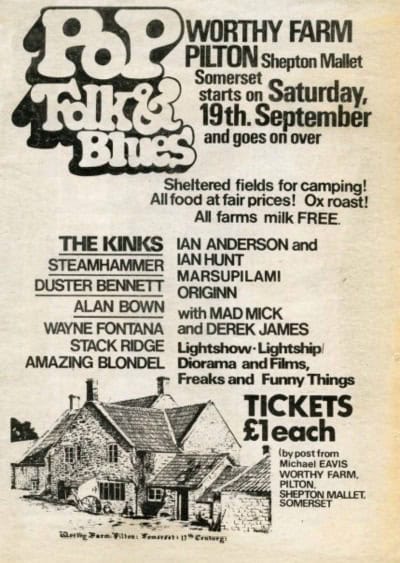
In 1970, Christmas performed at the small Pilton Pop, Blues & Folk Festival organised by Michael Eavis, the event now recognised as the first Glastonbury Festival. It was not yet the vast international festival it would later become. Christmas has recalled that the performance seemed unremarkable at the time and acquired its historical significance only through the festival’s later development.
His presence at both the Beckenham Free Festival and the first Glastonbury Festival places him within two very different episodes in the development of British outdoor music events. Neither appearance should overshadow his own recorded work, but both form documented parts of his career.
Albums and touring during the 1970s
Following Stimulus, Christmas recorded Fable of the Wings in 1970 and Pigmy in 1971. His recordings brought acoustic songwriting into contact with musicians from folk, rock and jazz backgrounds. Contributors to his early albums included members of Mighty Baby as well as musicians such as Keith Tippett and Rod Argent.
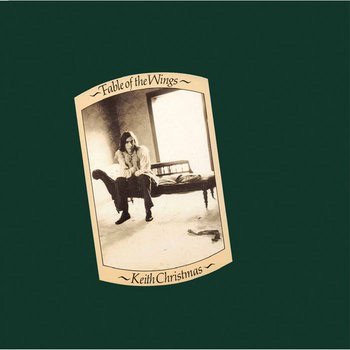
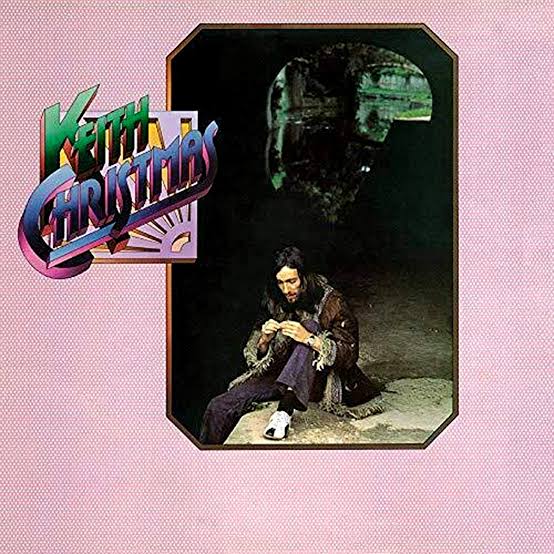
After completing his university studies, Christmas toured extensively. His official biography records support appearances with the Who, followed by tours with King Crimson and Ten Years After. During the 1970s he also opened concerts for Argent, Captain Beefheart, Frank Zappa, the Kinks and Roxy Music, and toured as a singer with the European progressive-rock group Esperanto.
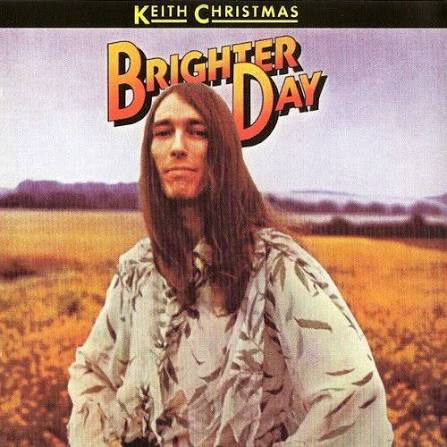
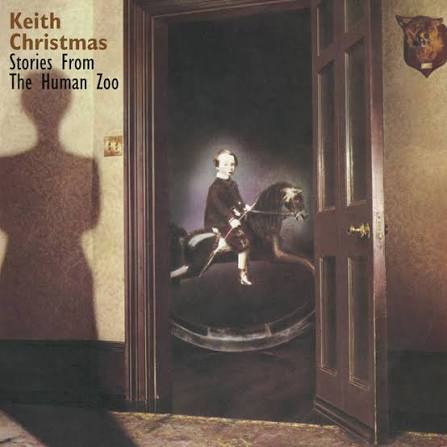
In 1974, after ending his professional relationship with Sandy Roberton, Christmas signed with Manticore, the label established by Emerson, Lake & Palmer and their management. Greg Lake and Peter Sinfield were involved in the production of Brighter Day. Christmas subsequently spent time in California and recorded Stories from the Human Zoo at Indigo Ranch in Malibu; the album was released in 1976.
Away from full-time performance
After returning to Britain in 1976, Christmas eventually stepped away from regular performance. During the 1980s he raised his family and ran a painting and decorating business, later expanding into house renovation. In the 1990s he retrained as a teacher and taught Design Technology in Bristol schools for nineteen years.
Music nevertheless remained part of his life. His later discography included Weatherman in 1992, Love Beyond Deals in 1996 and the instrumental acoustic album Acoustica in 2003. He also issued Light of the Dawn in 2006, the EP Fat Cat Big Fish in 2011 and Live at the Pump in 2012.
Return to songwriting
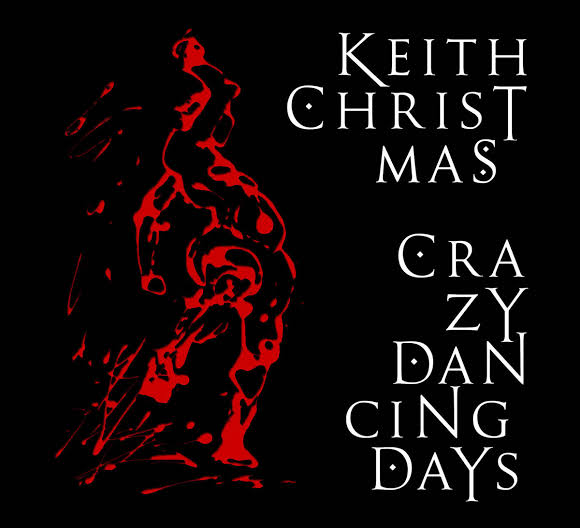
After retiring from teaching in 2013, Christmas entered another productive period. Time spent writing in France during the middle of the decade helped generate new material, leading to Crazy Dancing Days in 2016 and Life, Life in 2019. These recordings did not attempt to recreate his 1969 work; they reflected an older writer developing new tunings and adapting his guitar technique to the passage of time.
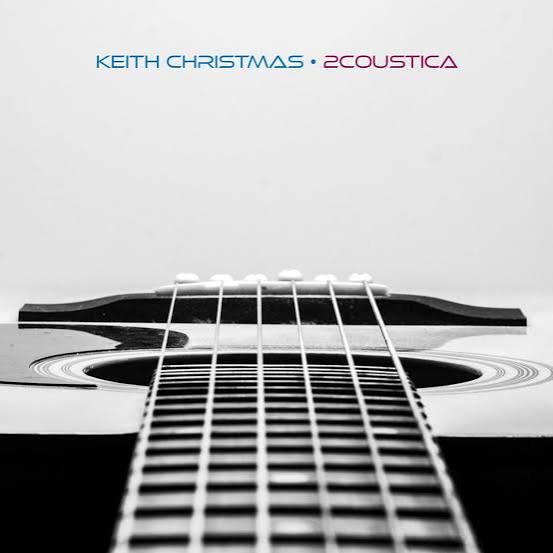
His official discography has continued with the digital release 2coustica in 2024 and Live at the Adelphi in 2025. The sequence demonstrates that his association with Bowie, while historically important, represents only a small part of a recording career extending across more than five decades.

Keith Christmas and Bowie’s 1969 album
Keith Christmas and the musical world surrounding Bowie’s 1969 album
Christmas’s Bowie connection is sometimes reduced to the phrase “acoustic guitar on Space Oddity.” His own account establishes the more precise history: he contributed to the album, but not to its title track.
His three confirmed performances are Letter to Hermione, God Knows I’m Good and An Occasional Dream. This distinction preserves both the importance and the true extent of his role in Bowie’s 1969 recordings.
Keith Christmas on Bowie’s Beckenham period
Keith Christmas remembering Bowie in 1969
“A twerp in those days…strum[ming] a few folk songs in between a lot of crap about changing the world.”
— Keith Christmas, recollection quoted in an account of the Beckenham Arts Lab period
The remark presents a less reverential view of Bowie than later retrospective accounts sometimes offer. Christmas remembered him as an ambitious young performer immersed in the ideals and rhetoric of the Arts Lab, before international fame transformed the way this period would be interpreted. Including the recollection does not diminish their collaboration; it preserves the perspective of another working musician who encountered Bowie before his breakthrough.
Legacy
Keith Christmas occupies a specific and sometimes misunderstood place in Bowie’s recording history. He was not the acoustic guitarist on the song Space Oddity, nor was he a long-term member of Bowie’s band. His documented contribution consists of Fender Palomino acoustic guitar on Letter to Hermione, God Knows I’m Good and An Occasional Dream.
Those performances connect Christmas directly to Bowie’s 1969 album and to the Beckenham Arts Lab circle from which the collaboration emerged. His appearance at the Beckenham Free Festival strengthens that historical connection, while his return to Bowie-related events in Beckenham many years later brought the association into the twenty-first century.
Beyond Bowie, Christmas built an independent body of work as a songwriter, guitarist and live performer. His albums, touring history, appearance at the first Glastonbury Festival, years outside full-time music and later creative resurgence form a career that should be understood on its own terms rather than only through a brief studio collaboration in 1969.
Official Website & Further Information
Keith Christmas’s official website contains his biography, discography, current music and information about his guitar tunings and recordings:
www.becn.co.uk
For Keith’s first-hand account of meeting Bowie and recording the three songs, read his interview with Jason Barnard:
Keith Christmas — The Strange Brew interview
Article Origin
This article has been researched and written exclusively for DavidBowieWorld.com. It is based on Keith Christmas’s official biography and discography, his published first-hand recollections of meeting and recording with David Bowie, and documented information concerning Bowie’s 1969 album and the Beckenham Arts Lab.
© DavidBowieWorld.com — Keith Christmas and David Bowie archive page.
