
David Bowie & David Gilmour – From Pin Ups to Royal Albert Hall

Photo: Phil Guest / Wikimedia Commons / CC BY-SA 2.0 (editorial use)
In May 2006, David Bowie made one of the most memorable surprise appearances of his late career when he joined David Gilmour on stage at the Royal Albert Hall in London.
Bowie performed two songs with Gilmour: Arnold Layne, originally written by Syd Barrett for Pink Floyd, and Comfortably Numb, on which Bowie sang the Roger Waters vocal part. The appearance later became historically important as Bowie’s final full public concert performance.
- Date: 29 May 2006
- Venue: Royal Albert Hall, London
- Main artist: David Gilmour
- Guest artist: David Bowie
- Songs: Arnold Layne, Comfortably Numb
- Release: Featured on Remember That Night
- Historical note: Bowie’s final full public concert performance
- Earlier link: Gilmour contributed guitar work during Bowie’s Pin Ups sessions
Who is David Gilmour?
David Gilmour, born on 6 March 1946 in Cambridge, England, is best known as the guitarist, singer and songwriter associated with Pink Floyd. He joined Pink Floyd in 1968 and became one of the defining guitarists of British rock music.
Gilmour’s playing is known for tone, phrasing, sustain and emotional restraint. His guitar work became central to albums such as The Dark Side of the Moon, Wish You Were Here, Animals and The Wall.
The early Bowie–Gilmour connection
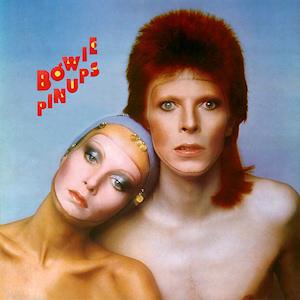
One of the earliest documented musical links between David Bowie and David Gilmour came during the sessions surrounding Bowie’s 1973 album Pin Ups. Gilmour contributed guitar work during those sessions, creating an early connection between Bowie and the Pink Floyd world.
Pin Ups was Bowie’s album of cover versions, paying tribute to songs and artists that had shaped him during the 1960s London music scene. Among those songs was See Emily Play, originally written by Syd Barrett and released by Pink Floyd in 1967.
Bowie, Syd Barrett and See Emily Play
Bowie’s admiration for Syd Barrett is essential to understanding the emotional weight of the 2006 Royal Albert Hall appearance. Barrett was one of Bowie’s early inspirations, not only as a songwriter but also as a stage presence.
By recording See Emily Play for Pin Ups, Bowie publicly acknowledged Barrett’s importance to his own artistic imagination. The song connected Bowie to the earliest psychedelic Pink Floyd period, when Barrett’s writing helped define a new kind of English strangeness in popular music.
Bowie later spoke warmly about Barrett’s originality, theatricality and mysterious presence. That admiration gives the 2006 performance of Arnold Layne an added layer of meaning: Bowie was not simply guesting with Gilmour, but also returning to music that had deeply affected him as a young artist.
The Royal Albert Hall concert
David Gilmour’s 2006 On an Island tour included three nights at the Royal Albert Hall in London. On 29 May 2006, Bowie appeared as a surprise guest during the encore.
The appearance came after a period in which Bowie had largely stepped back from live performance following the health problems that ended his Reality tour in 2004. For many in the audience, his arrival was completely unexpected.
Arnold Layne
Bowie first joined Gilmour for Arnold Layne, Pink Floyd’s debut single from 1967. The song was written by Syd Barrett and remains one of the clearest examples of Barrett’s eccentric, sharply observed songwriting.
Bowie’s performance of Arnold Layne was historically rich. It brought together Bowie’s admiration for Barrett, Gilmour’s connection to Pink Floyd, and the Royal Albert Hall setting into a single moment of tribute.
David Bowie & David Gilmour — Arnold Layne, Royal Albert Hall, 2006
Comfortably Numb
Bowie then remained on stage for Comfortably Numb, one of Pink Floyd’s most famous songs. In this performance, Bowie sang the verses originally associated with Roger Waters, while Gilmour delivered the choruses and the guitar solos.
The performance worked because Bowie did not try to dominate the song. Instead, he brought a controlled, dramatic presence to the Waters vocal part, allowing Gilmour’s guitar to carry the emotional release of the piece.
David Bowie & David Gilmour — Comfortably Numb, 2006
Remember That Night
The Royal Albert Hall performances were later included on David Gilmour’s live release Remember That Night. This preserved Bowie’s guest appearance as part of the official record of Gilmour’s 2006 tour.
For Bowie fans, the release is especially important because it captures one of the last times Bowie appeared in a full concert setting before an audience.
Bowie’s final full public concert performance
Looking back, Bowie’s appearance with Gilmour has gained additional significance because it became his final full public concert performance. Although Bowie made a few later public appearances, he did not again perform a complete concert set before a public audience.
That makes Arnold Layne and Comfortably Numb part of Bowie’s final live legacy. The setting was not a Bowie tour, but the emotional weight of the moment has only grown over time.
Why the collaboration matters
The Bowie–Gilmour collaboration matters because it connects several important histories at once: Bowie’s admiration for Syd Barrett, his earlier relationship with Pink Floyd material through Pin Ups, Gilmour’s long career as one of rock’s most expressive guitarists, and Bowie’s final years as a live performer.
It was not a large-scale collaboration in the studio, but it was a deeply meaningful live event. Bowie entered Gilmour’s musical world with respect, and the performances feel less like spectacle than acknowledgment.
Legacy within Bowie’s universe
Within David Bowie’s extended creative universe, David Gilmour represents a connection to the British underground, Pink Floyd, Syd Barrett and the emotional architecture of classic rock.
The 2006 Royal Albert Hall appearance stands as one of Bowie’s most moving late-career moments: brief, unexpected, historically layered and beautifully preserved.
