
Mick ”Woody” Woodmansey Drummer of the Spiders from Mars and Key Ziggy Era Collaborator

Photo: Joana Puig Jodar / Wikimedia Commons / CC BY 3.0 (editorial use)
Mick “Woody” Woodmansey is an English drummer best known for his essential contribution to David Bowie’s music between 1970 and 1973. He joined Bowie during the creation of The Man Who Sold the World and later became a member of The Spiders from Mars alongside guitarist Mick Ronson and bassist Trevor Bolder.
Woodmansey’s powerful but controlled playing helped Bowie move from the heavy, exploratory sound of The Man Who Sold the World to the melodic variety of Hunky Dory, the theatrical rock of The Rise and Fall of Ziggy Stardust and the Spiders from Mars and the restless musical world of Aladdin Sane.
His work was never simply about volume. Woodmansey understood how to support a song, when to leave space and when to increase its emotional force. His solitary drum introduction to Five Years remains one of the most recognisable openings in Bowie’s recorded catalogue.
Through his later performances with Cybernauts and Holy Holy, as well as his autobiography Spider from Mars: My Life with Bowie, Woodmansey has preserved an important first-hand account of the musicianship, creativity and tensions behind Bowie’s rise to international fame.
- Full name: Michael Woodmansey
- Known as: Mick “Woody” Woodmansey
- Born: 4 February 1951, Driffield, East Yorkshire, England
- Instrument: Drums and percussion
- Early musical background: The Hull and East Yorkshire music scene, including his work with Mick Ronson in The Rats
- Joined David Bowie: 1970
- Early Bowie group: The Hype
- Spiders from Mars: Mick Ronson, Trevor Bolder and Woody Woodmansey
- Bowie studio albums: The Man Who Sold the World, Hunky Dory, The Rise and Fall of Ziggy Stardust and the Spiders from Mars and Aladdin Sane
- Important live period: The Ziggy Stardust concerts of 1972–1973
- Final concert as Bowie’s drummer: Hammersmith Odeon, London, 3 July 1973
- Later projects: The Spiders from Mars, Woody Woodmansey’s U-Boat, Cybernauts and Holy Holy
- Autobiography: Spider from Mars: My Life with Bowie (2016)
- Historical importance: His drumming helped define Bowie’s studio and live sound during the rise of Ziggy Stardust
Early life in East Yorkshire
Michael Woodmansey was born on 4 February 1951 in Driffield, East Yorkshire. His introduction to drumming began during childhood, and he developed his skills through listening, practising and playing with local musicians. Rather than emerging from a formal conservatory tradition, Woodmansey belonged to a generation of British rock musicians who learned largely through records, rehearsals and live performance.
The musical environment around Hull and East Yorkshire gave him opportunities to gain practical experience. He played in local groups and later became associated with The Rats, a Hull band whose members also included guitarist Mick Ronson.
Ronson and Woodmansey came from similar working-class surroundings and shared a direct, disciplined attitude towards music. Both understood the importance of rehearsal and of serving the complete arrangement rather than treating every song as an excuse for individual display. Their musical understanding would become important when they entered Bowie’s rapidly changing world.
Woodmansey also worked outside music. By 1970 he had a regular job at the Vertex spectacle-frame factory in Hull and faced the possibility of a stable career. Leaving that position to join a still commercially uncertain David Bowie was therefore a genuine risk rather than an obvious route to fame.
The Rats and Mick Ronson

The Rats were an important training ground for several musicians connected with Bowie’s later work. The group built a local reputation through performances in Hull and the surrounding area, playing the kind of direct electric rock that demanded stamina, precision and communication between the musicians.
Woodmansey’s relationship with Ronson was especially significant. Ronson knew his playing and understood that he could deliver the weight and control required for the music Bowie was beginning to develop. When a new drummer was needed in 1970, Ronson was therefore able to recommend somebody whose ability he had witnessed directly.
The Hull connection eventually extended beyond Ronson and Woodmansey. Bassist Trevor Bolder, another musician from the same area, later joined Bowie’s group. The resulting rhythm and guitar unit brought years of shared musical culture into a project that would soon become internationally famous.
Their northern background should not be used to create an artificial story of three identical personalities. Ronson, Bolder and Woodmansey each had a different musical role and character. What they shared was a practical understanding of band performance and the ability to translate Bowie’s ideas into forceful, coherent arrangements.
Their northern background should not be used to create an artificial story of three identical personalities. Ronson, Bolder and Woodmansey each had a different musical role and character. What they shared was a practical understanding of band performance and the ability to translate Bowie’s ideas into forceful, coherent arrangements.
Joining David Bowie in 1970
In early 1970 Bowie was developing a heavier electric sound with bassist and producer Tony Visconti, guitarist Mick Ronson and drummer John Cambridge. The group briefly performed under the name The Hype and experimented with costume and character as part of its stage presentation.
Cambridge left the group at the end of March 1970. Published accounts differ over the precise circumstances of his departure, but Ronson recommended Woodmansey as his replacement. Bowie then contacted Woodmansey in Yorkshire, leaving the drummer to decide whether to keep the security of his factory work or travel south to join an artist whose future remained uncertain.
Bowie was known because of Space Oddity, but one hit did not guarantee a permanent career. His musical direction was changing, and neither the future shape of the band nor its financial prospects was clear. Woodmansey nevertheless accepted the opportunity.
Woody Woodmansey on first meeting David Bowie
“All I knew about David Bowie was the curly-haired guy from ‘Space Oddity’. This man in red corduroy trousers, blue shoes and a silver belt answered the door and said, ‘Hello, Woody.’ I was all in denim, so that was our first culture clash.”
— Woody Woodmansey, interviewed by The Times
This chronology is important. Woodmansey did not first appear when the Spiders from Mars were formally established. He joined Bowie in 1970 and participated in an earlier musical phase involving Ronson and Visconti. His contribution to Bowie’s history therefore began with The Man Who Sold the World.
The Hype
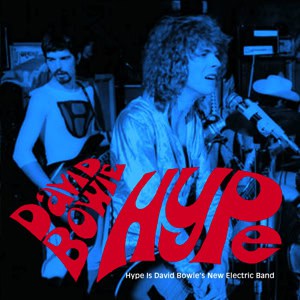
The Hype was a short-lived but historically important stage in Bowie’s development. Its original line-up consisted of Bowie, Ronson, Visconti and Cambridge. Woodmansey replaced Cambridge during 1970 and joined the musicians as Bowie moved towards the sound captured on The Man Who Sold the World.
The Hype should not simply be described as an early name for the Spiders from Mars. The groups had different bassists, belonged to different stages of Bowie’s career and were not identical organisations. The Hype nevertheless introduced working relationships and performance ideas that later became central to Bowie’s success.
Costumes and individual stage identities were used during some Hype appearances, anticipating Bowie’s later combination of music, theatre and character. These experiments occurred before Ziggy Stardust and demonstrate that Bowie’s theatrical approach did not suddenly begin in 1972.
For Woodmansey, joining this environment required more than learning conventional rock songs. Bowie and the musicians were exploring changes in sound, image and stage presentation simultaneously. The drummer had to provide stability while the artistic framework around him continued to evolve.
Haddon Hall
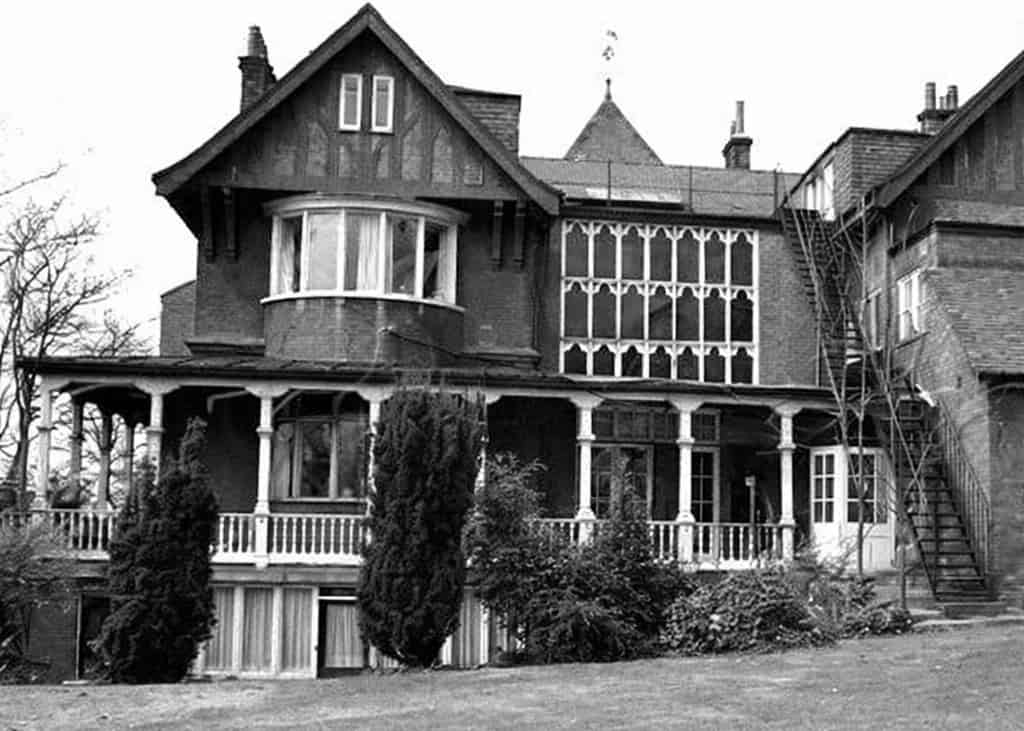
Woodmansey spent part of this period at Haddon Hall, the large Victorian house in Beckenham where Bowie lived with Angie Bowie. The building became an informal creative centre in which songs could be written, arrangements tested, clothes discussed and future projects imagined.
Haddon Hall has sometimes been romanticised as the luxurious headquarters of an established star. In reality, Bowie’s career was still financially uncertain. The musicians worked in circumstances far removed from the wealth and international attention that would follow during the Ziggy period.
The house nevertheless gave Bowie and the musicians time to develop ideas away from the cost of a professional recording studio. Woodmansey could observe Bowie’s writing process at close range and hear new material while it was still taking shape.
Woody Woodmansey on Bowie’s songwriting
“He was very prolific through that period – you’d hear him in the two different rooms where he wrote in Haddon Hall and every song was a fucking-hell-this-is-good.”
— Woody Woodmansey, interviewed by Classic Rock
Woodmansey’s recollection describes the impression Bowie’s output made on the musicians around him. It does not mean that every composition arrived as a fully completed masterwork. Ronson, Visconti, Woodmansey and later Bolder all helped transform Bowie’s writing into recorded performances.
Recording The Man Who Sold the World
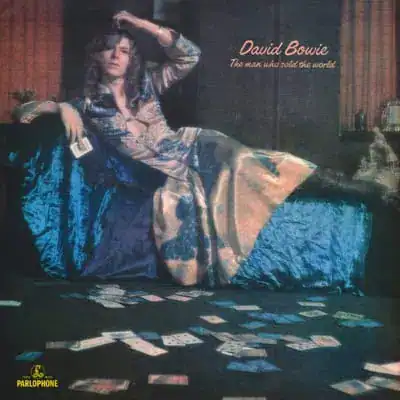
Woodmansey’s first David Bowie album was The Man Who Sold the World, recorded in London during 1970 and produced by Tony Visconti. The principal musical unit consisted of Bowie, Ronson, Visconti and Woodmansey, with Ralph Mace contributing Moog synthesiser.
The album represented a major change from the predominantly acoustic character associated with much of Bowie’s recent work. Ronson’s guitar, Visconti’s bass and Woodmansey’s drums produced a heavier foundation, while Bowie’s songs explored subjects including identity, power, instability, technology and mortality.
On The Width of a Circle, the musicians had to sustain a long performance containing contrasting sections without losing its direction. Woodmansey’s drums helped connect those changes. His playing on Black Country Rock and She Shook Me Cold supplied physical force, while songs such as After All required greater restraint.
The music was collaborative in performance even though Bowie remained the principal songwriter and named artist. Ronson, Visconti and Woodmansey were not merely decorating finished recordings. Their instrumental decisions helped establish the album’s distinctive character.
The record did not immediately achieve the commercial success later associated with Bowie’s 1970s work. Its historical importance became clearer over time. For Woodmansey, it established that he could respond to complex arrangements while retaining the direct rhythmic authority that Ronson had expected him to bring.
Changes within Bowie’s band
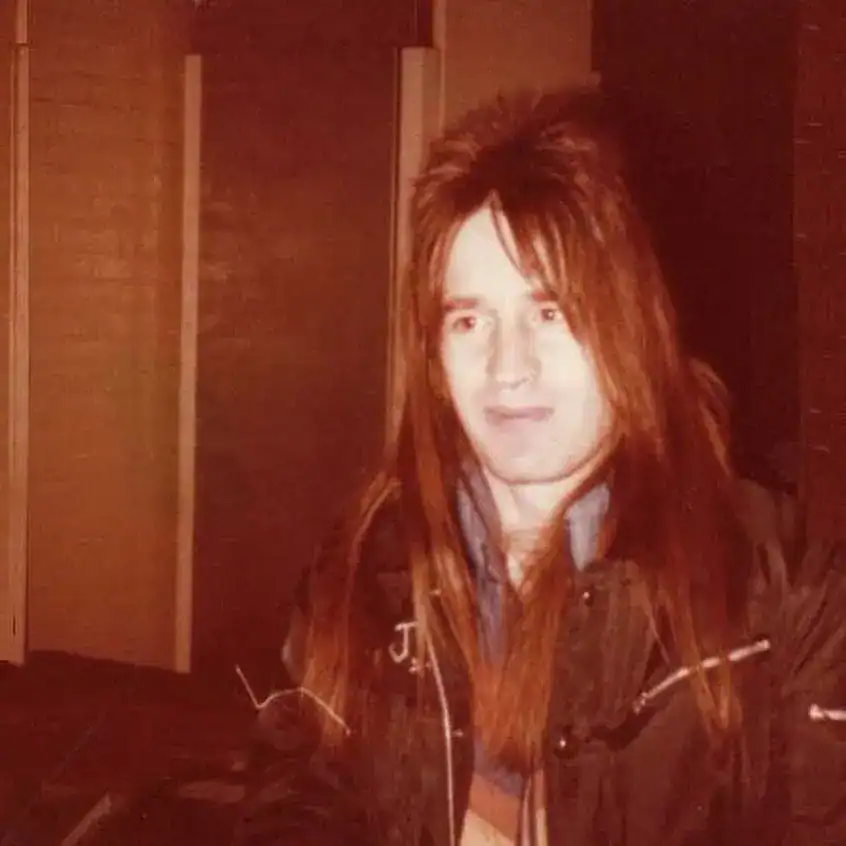
The group surrounding The Man Who Sold the World did not continue unchanged. Tony Visconti moved away from Bowie’s immediate band after the album, although he would later return as one of Bowie’s most important producers.
Ronson and Woodmansey eventually resumed working with Bowie. A new bassist was required, and Ronson recommended Trevor Bolder. Like Ronson and Woodmansey, Bolder came from Hull’s musical community and brought both reliability and melodic imagination to the group.
The combination of Ronson, Bolder and Woodmansey created a balanced rock unit. Ronson could move between guitar, piano and arrangement; Bolder’s bass connected melody with rhythm; and Woodmansey supplied the clear pulse that held the performances together.
The three musicians would become famous as the Spiders from Mars, but their development took place gradually. Before the name acquired its mythology, they were a working band rehearsing, recording and supporting an artist whose commercial breakthrough was still being constructed.
Hunky Dory
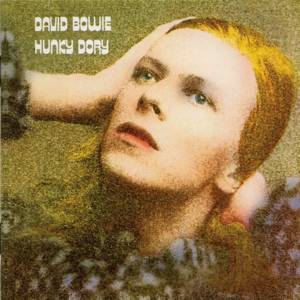
Woodmansey played on Hunky Dory, recorded at Trident Studios in 1971 and produced by Bowie and Ken Scott. The album required a different rhythmic approach from the heavy sound of The Man Who Sold the World.
Piano was central to many arrangements, with Rick Wakeman making an important contribution. Bowie’s songwriting moved between reflective ballads, tributes to cultural figures, dramatic pop and harder-edged rock. Woodmansey adapted his playing rather than imposing one fixed style across the record.
On Changes, the drums help the arrangement move through its shifts in emphasis without overwhelming the vocal. Oh! You Pretty Things requires discipline and clarity. Life on Mars? expands gradually into a large dramatic arrangement, while Queen Bitch points more directly towards the electric attack of the coming Ziggy period.
Woodmansey also used brushes where the material required a softer texture. His contribution demonstrates that his value did not rest only on hard-rock power. He listened to the structure of each song and adjusted his dynamics accordingly.
Although Hunky Dory was not an immediate major hit upon its original release, it later became recognised as one of Bowie’s essential albums. It also showed that the musicians around him could move convincingly between intimacy, theatricality and rock performance.
The formation of the Spiders from Mars

By late 1971, Bowie, Ronson, Bolder and Woodmansey were developing the material that would become associated with Ziggy Stardust. The backing trio acquired the name The Spiders from Mars, linking the musicians directly with the science-fiction world surrounding Bowie’s new stage character.
The group’s importance extended beyond its instrumental ability. Ronson, Bolder and Woodmansey created a strong visual contrast with Bowie and gave audiences the impression of a complete band rather than an anonymous collection of session players.
Their shared Yorkshire connection contributed to the unit’s direct musical character, but Bowie remained the conceptual centre. He wrote the songs, shaped the presentation and increasingly used costume, movement and interviews to blur the boundaries between artist and character.
The Spiders allowed that theatrical ambition to function musically. However unusual Bowie’s appearance became, the songs were supported by a group able to deliver concise, forceful rock performances. Woodmansey was central to that balance.
Recording Ziggy Stardust
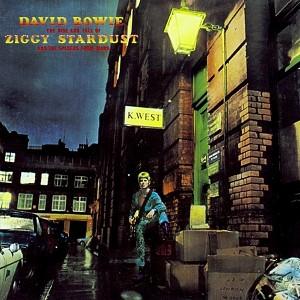
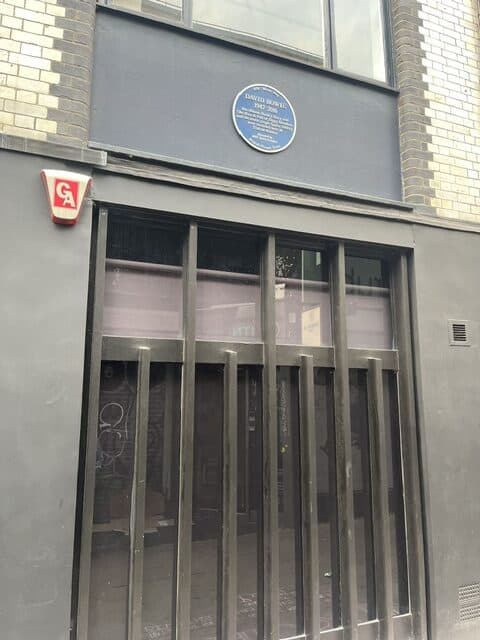
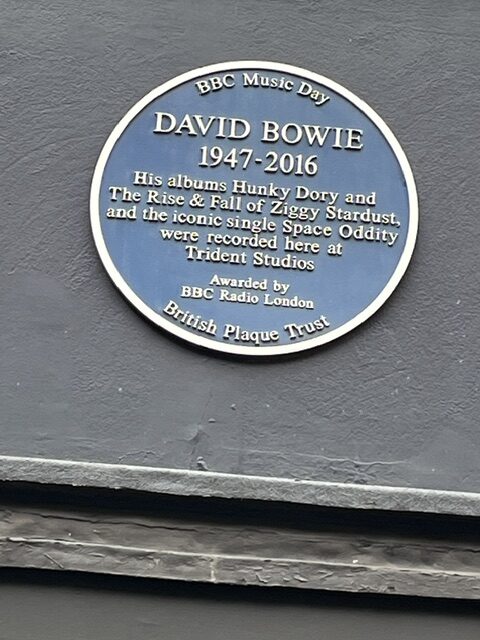
The Rise and Fall of Ziggy Stardust and the Spiders from Mars was recorded at Trident Studios, produced by Bowie and Ken Scott and released in June 1972. The album’s eleven tracks created a powerful sequence, although its narrative should not be treated as a perfectly linear story.
Woodmansey’s performances vary according to the character of the material. Soul Love has a lighter rhythmic movement, while Moonage Daydream leaves space for Bowie’s vocal and Ronson’s expanding guitar arrangement. Starman requires pop precision; Hang On to Yourself and Suffragette City depend on speed, control and forward momentum.
The title track demonstrates the group’s ability to play with restraint. Woodmansey does not overcrowd Ronson’s famous guitar figure or Bowie’s narrative. The drums keep the song grounded and help its dynamic changes feel inevitable.
The sessions were completed efficiently. Bowie could introduce material and depend on the band to understand what was required. This speed did not mean that the performances were careless. It reflected extensive playing experience and the musicians’ growing familiarity with Bowie’s methods.
The opening of Five Years
David Bowie – Five Years
Woodmansey’s most immediately recognisable Bowie performance may be the drum pattern that opens Five Years. The drums begin alone before bass, piano, acoustic guitar, strings and voice gradually enter.
The part is simple only in the sense that it is uncluttered. Its tempo, tone and repetition establish tension before the story is explained. The beat suggests movement and approaching events while leaving space for the arrangement to grow.
Woody Woodmansey on “Five Years”
“What was wanted was a drum beat to introduce the song itself and to set an atmosphere for the whole album.”
— Woody Woodmansey, interviewed by The Quietus
The drums do more than mark time. They provide the album’s first sound and therefore introduce the listener to the emotional world of the record. As the arrangement grows and Bowie’s vocal becomes increasingly desperate, Woodmansey maintains the pulse that began in isolation.
The effectiveness of the performance lies in its discipline. A more decorative opening might have attracted attention to the drummer but weakened the song. Woodmansey instead created a part that became inseparable from the composition itself.
Starman and Top of the Pops
David Bowie and the Spiders from Mars performing “Starman” on Top of the Pops, July 1972
The release of Starman and Bowie’s appearance on BBC television’s Top of the Pops in July 1972 transformed the scale of public interest. Bowie’s appearance, his closeness to Ronson and the unusual presentation reached an enormous young audience.
The Spiders were essential to the image. Ronson, Bolder and Woodmansey did not look like anonymous accompanists positioned behind a conventional singer. They appeared to belong to the same strange musical world, even though Bowie remained its clear centre.
For Woodmansey, the speed of the change was dramatic. The musicians who had worked through uncertainty and limited finances were suddenly connected with one of the most discussed acts in Britain. Audiences copied the clothes, hair and make-up associated with Ziggy.
Fame also altered relationships around the band. The larger the Bowie organisation became, the greater the distance between the public image of collective success and the musicians’ actual position as salaried performers.
The Ziggy Stardust concerts
The concerts of 1972 and 1973 turned the studio material into a theatrical rock show. Woodmansey had to deliver consistent performances while the venues, audiences, travel demands and visual production expanded rapidly.
The live arrangements were often harder and more direct than the studio recordings. Woodmansey’s drums helped songs carry across large venues while preserving their structure. He had to remain attentive to Bowie’s movements, Ronson’s guitar and the interaction between the musicians.
Pianist Mike Garson joined the touring group and introduced another musical personality. His ability to move between cabaret, jazz and experimental playing expanded the sound beyond the original guitar-based trio.
Woodmansey connected those elements with Bolder’s bass. His role was particularly important when Bowie’s performance became visually dramatic. However theatrical the presentation appeared, the songs still required firm timing and clear transitions.
Live Santa Monica ’72
David Bowie and the Spiders from Mars – Live Santa Monica, 20 October 1972
The concert recorded at the Santa Monica Civic Auditorium on 20 October 1972 preserves the Spiders during a crucial stage of the American tour. Later released officially as Live Santa Monica ’72, the recording demonstrates the group’s live power.
The performance includes material from Hunky Dory, Ziggy Stardust and The Man Who Sold the World. Songs created under different studio conditions were brought together within one concert identity.
Woodmansey’s drumming is forceful without becoming uncontrolled. The rhythm section gives Ronson room to expand his guitar parts while supporting Bowie’s vocals. The recording also shows that the Spiders’ reputation was based on genuine live ability rather than image alone.
The group could move from the tension of Five Years to the aggression of The Width of a Circle and the urgency of Suffragette City without losing coherence. Woodmansey’s consistent sense of structure helped make those contrasts possible.
Recording Aladdin Sane
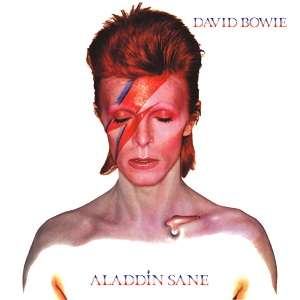
Bowie wrote much of Aladdin Sane while touring the United States. The album reflected the excitement, instability and cultural contrasts he encountered there. It retained the Spiders while expanding their musical setting, particularly through Mike Garson’s piano.
Woodmansey played drums across material ranging from dense rock to theatrical balladry. Watch That Man required a rough, crowded attack. Panic in Detroit depended on an insistent rhythmic pattern, while Cracked Actor needed the direct force of the touring band.
On Time, Woodmansey supports changes in theatrical intensity without distracting from Bowie’s vocal. Lady Grinning Soul requires controlled dynamics and sensitivity to Garson’s piano and Ronson’s arrangement.
Released in April 1973, Aladdin Sane reached number one in Britain. It became Woodmansey’s final Bowie studio album. He did not play on the later 1973 covers album Pin Ups; the drums on that album were played by Aynsley Dunbar.
Success, pressure and changing relationships
The success of Ziggy and Aladdin Sane created enormous demands. Bowie was expected to perform, record, travel, give interviews and continue developing new ideas. The musicians faced the same exhausting schedules without sharing equally in the financial rewards.
Woodmansey, Bolder and Ronson had helped create the sound and appearance of the act, but they remained employees within an organisation controlled by Bowie’s management. Their wages became a source of conflict as the concerts grew larger and more profitable.
Woody Woodmansey on the dispute with Tony Defries
“We had an argument with Tony Defries, when he said, ‘Bowie could have made it with anyone.’ But he didn’t, did he?”
— Woody Woodmansey, interviewed by The Times
The dispute involved business arrangements rather than a lack of commitment to the music. Woodmansey continued to perform with the intensity the concerts required. Nevertheless, the sense of shared purpose that had existed during the earlier years was being weakened.
Bowie also became increasingly separated from the band. Different hotels, management decisions and the pressure surrounding his success made the old working relationship difficult to maintain.
3 July 1973 – Hammersmith Odeon
David Bowie’s final Ziggy Stardust concert at the Hammersmith Odeon, 3 July 1973
On 3 July 1973 Bowie and the Spiders performed at the Hammersmith Odeon in London. Near the end of the concert Bowie introduced Rock ’n’ Roll Suicide by announcing that it was not only the last show of the tour but the last show they would ever do.
Many members of the audience interpreted the words as Bowie’s retirement. Woodmansey and Bolder had not been properly informed that Bowie intended to end the touring band. The announcement was therefore both a theatrical conclusion to Ziggy and a real professional shock.
The concert was filmed by D. A. Pennebaker and later released as Ziggy Stardust and the Spiders from Mars: The Motion Picture. The film preserves the excitement of the event but cannot fully communicate what the announcement meant to the musicians hearing it from the stage.
The ending demonstrated the difference between Bowie’s ability to create a powerful public moment and the consequences that moment had for the musicians working beside him.
Woodmansey’s departure
Woodmansey’s professional relationship with Bowie ended shortly after the final Ziggy concert. He later recalled receiving confirmation that his services were no longer required around the time of his wedding.
Woody Woodmansey on the timing of his dismissal
“That was an effective way to piss me off.”
— Woody Woodmansey, interviewed by The Times
His anger did not arise merely from losing a successful position. Woodmansey had accepted a major personal risk when he joined Bowie, contributed to four important albums and helped build the live act that made Ziggy internationally famous.
The end was painful and poorly communicated, but it should not be used to reduce the entire partnership to conflict. Woodmansey continued to recognise Bowie’s talent and the significance of their work together.
The exchange with Defries captures an important distinction. Bowie possessed exceptional ambition, imagination and songwriting ability, but the records and concerts were realised by particular musicians. The fact that Bowie later worked successfully with many different players does not erase the specific contribution made by the Spiders.
The Spiders from Mars after Bowie
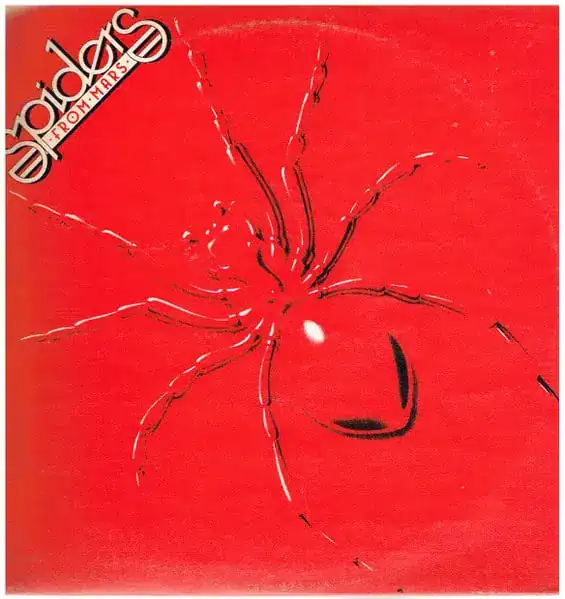
After Bowie ended the original group, Woodmansey and Trevor Bolder attempted to continue under the name The Spiders from Mars. Mick Ronson did not become a member of this later version.
The group included guitarist Dave Black and keyboard player Mike Garson and released a self-titled album in 1976. Using the Spiders name created immediate recognition but also placed the project under the weight of expectations associated with Bowie and Ziggy Stardust.
The record did not reproduce the commercial or cultural impact of the Bowie years. That outcome was not surprising: Bowie’s songwriting, voice and theatrical direction had been central to the original phenomenon.
The project nevertheless deserves a place in Woodmansey’s history. It represented an attempt to create a future after the abrupt end of one of rock music’s most visible bands.
Woody Woodmansey’s U-Boat
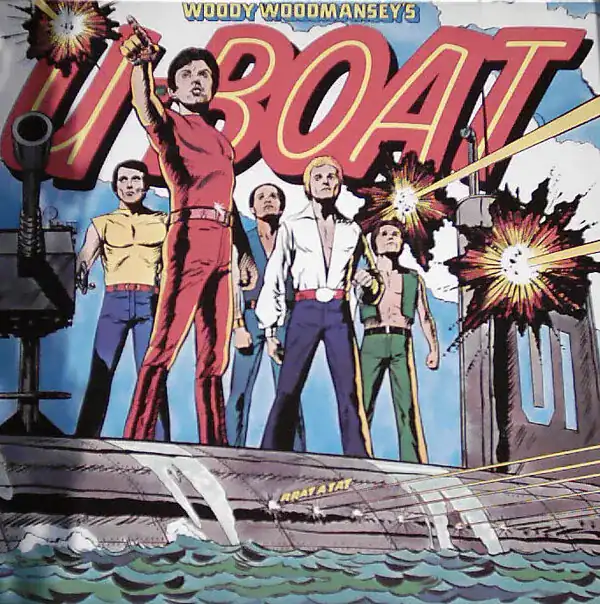
Woodmansey later formed U-Boat, also known as Woody Woodmansey’s U-Boat. The group released its self-titled album in 1977 through Bronze Records.
U-Boat allowed Woodmansey to work outside the direct structure of the Bowie organisation and the reconstructed Spiders. He took a more central role and pursued contemporary rock material under his own name.
The album did not become a major commercial success, but its value lies partly in showing the difficulty faced by musicians strongly identified with one historic period. New work was inevitably compared with Ziggy Stardust, even when it had different aims.
Woodmansey continued to work as a professional musician rather than treating 1973 as the end of his career. His later activities demonstrated persistence and an ability to function in musical settings beyond Bowie.
Session work and other collaborations
Woodmansey’s post-Bowie career included studio, touring and project-based work. His documented activities connected him with artists and recordings outside glam rock, including work involving Art Garfunkel and later contributions associated with Dexys Midnight Runners.
Not every project placed him in the same public spotlight as the Spiders from Mars. Professional musicians frequently build careers through work that receives less media attention than the famous records with which their names are associated.
Woodmansey’s ability to adjust to different circumstances reflected the same musical judgement heard on Bowie’s albums. He was capable of power, but his playing was not dependent on a single hard-rock formula.
These later activities also allowed him to develop an identity beyond being “Bowie’s drummer,” even though the cultural importance of the Ziggy years ensured that connection would always remain central to public interest.
Cybernauts and the music of Mick Ronson
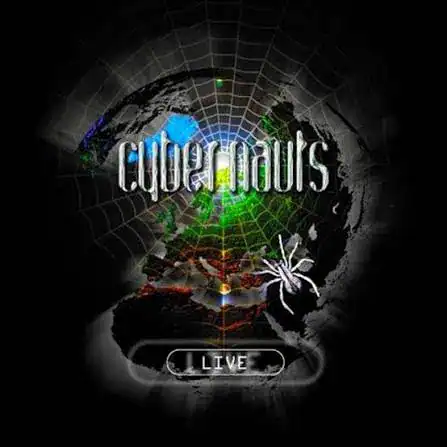
During the 1990s Woodmansey became involved with Cybernauts, a group formed to perform music associated with Bowie and Mick Ronson. The project included musicians with direct connections to that history rather than presenting itself solely as an external tribute act.
Ronson died in 1993. His death increased awareness of the scale of his contribution as guitarist, arranger, pianist and producer. Cybernauts helped return attention to the music he had created and influenced.
For Woodmansey, performing this repertoire also meant revisiting a partnership that began in Yorkshire before either musician entered Bowie’s world. Their connection had developed through local bands, recording sessions, rehearsals and international tours.
Trevor Bolder died in 2013. Woodmansey consequently became the last surviving member of the classic three-piece Spiders from Mars line-up. That position made his memories especially important, but it also required care: personal recollection and documented chronology must be distinguished whenever uncertainties remain.
Holy Holy
Holy Holy featuring Woody Woodmansey and Tony Visconti
Woodmansey later reunited with Tony Visconti in Holy Holy. The project initially centred on live performances of The Man Who Sold the World, an album that had not received a dedicated tour at the time of its original release.
The historical connection was genuine. Visconti had produced the album and played bass, while Woodmansey had performed its drums. Their involvement gave the concerts a direct relationship with the original recording.
Singer Glenn Gregory and a larger ensemble of experienced musicians helped bring the material to the stage. Holy Holy did not attempt to imitate Bowie’s appearance or recreate Ziggy as a theatrical character.
Instead, the group concentrated on the compositions and arrangements. The performances allowed the musicians to preserve the structure of the original work while giving the material the energy required for a modern concert.
Holy Holy later expanded its repertoire to include songs from Hunky Dory, Ziggy Stardust, Aladdin Sane and other periods of Bowie’s career. The concerts enabled Woodmansey to remain an active performer of music he had helped create.
Reconsidering The Man Who Sold the World
Returning to The Man Who Sold the World through Holy Holy drew attention to Woodmansey’s contribution before the official creation of the Spiders. The album is sometimes discussed mainly as the beginning of Ronson’s importance to Bowie, but its rhythm section was equally necessary to its sound.
Visconti’s bass and Woodmansey’s drums supplied the weight beneath Ronson’s guitar. Their interaction allowed long, unusual arrangements to remain coherent. Performing the complete record live made that relationship easier to hear.
The concerts also corrected the assumption that Woodmansey’s Bowie legacy began and ended with Ziggy. By the time Five Years was recorded, he had already participated in a very different Bowie album and had adapted to the melodic variety of Hunky Dory.
His importance lies partly in that journey. Woodmansey helped Bowie pass through several musical identities without losing the force of a recognisable band.
Spider from Mars: My Life with Bowie
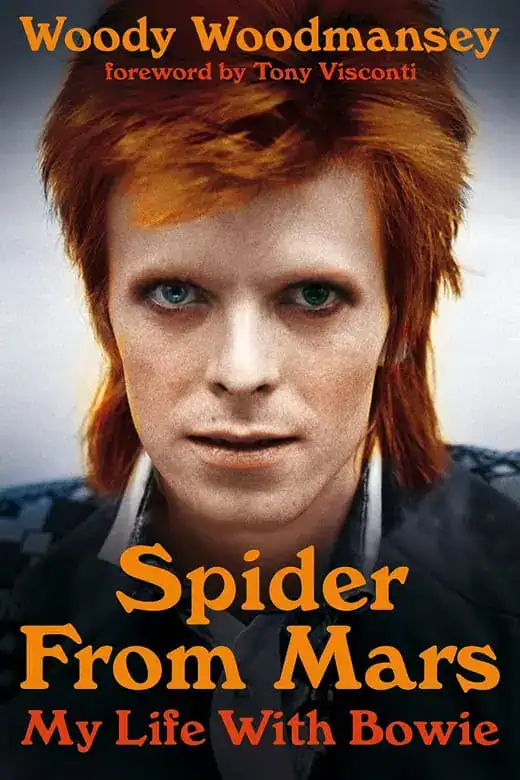
In 2016 Woodmansey published Spider from Mars: My Life with Bowie, written with Joel McIver. The autobiography covers his Yorkshire childhood, early bands, work with Ronson, the invitation from Bowie, the four studio albums, international touring and the end of the Spiders.
The book offers the perspective of a working musician rather than an observer reconstructing the period solely from photographs, reviews and later mythology. Woodmansey describes rehearsals, recording methods, wages, travel, personal relationships and the practical demands of performance.
The autobiography does not remove the need for historical checking. Memoirs represent personal experience and memory, while exact dates, credits and release details should also be compared with contemporary records and reliable archival sources.
Woodmansey’s account is nevertheless indispensable because he was present in the rehearsal rooms, studios and concert halls. His perspective restores the daily reality beneath the public image of Ziggy Stardust.
Woodmansey’s drumming style
Woody Woodmansey’s distinctive power, timing and control behind the drums
Woodmansey is often described as a powerful or straightforward drummer. Those descriptions are useful only if they do not imply that his playing lacked sensitivity. His strength was his ability to determine what each arrangement required.
He could create weight on The Width of a Circle, restraint on the quieter passages of Hunky Dory, tension on Five Years and speed on Hang On to Yourself. These are not identical tasks.
His fills generally mark structural or emotional changes rather than interrupting the song. He does not compete with Bowie’s lyrics or Ronson’s guitar for constant attention. That discipline is one reason the performances remain effective.
Woodmansey also had to translate studio material into live arrangements. Onstage there were no repeated attempts at a take and no opportunity to repair a weak transition. His timing provided security while Bowie, Ronson and Garson pushed the theatrical and musical edges of the performance.
The familiar description of Woodmansey as “unflashy” should therefore be treated as praise for judgement rather than a comment on limitation. Choosing not to overplay requires musical understanding.
The Spiders as a working band
The Spiders from Mars were frequently presented as part of Bowie’s mythology, but they were also a practical working band. They rehearsed, travelled, recorded radio sessions, performed television appearances and played concerts under intense schedules.
Ronson’s arranging intelligence was crucial, Bolder supplied melodic and flexible bass lines, and Woodmansey gave the group its rhythmic foundation. Bowie could therefore concentrate on vocals, movement and the communication of his characters.
The band’s effectiveness also came from contrast. Bowie appeared increasingly otherworldly, while the musicians behind him retained the physical directness of a rock group. The theatrical presentation worked because the music remained convincing.
It would be inaccurate to present the Spiders as equal authors of Bowie’s songs. It would be equally inaccurate to treat them as replaceable background decoration. The surviving recordings demonstrate a specific interaction between four musicians.
Bowie and Woodmansey in retrospect
Woodmansey’s later comments about Bowie contain admiration, humour, frustration and greater understanding of the pressure Bowie faced. That mixture is more historically useful than either uncritical praise or a purely hostile account.
The business conflict and poor communication surrounding the end of the Spiders were real. So was Bowie’s extraordinary productivity and his ability to recognise how particular musicians could help realise his ideas.
Woody Woodmansey on Bowie’s ability
“I always thought he could write a hit song anytime he felt like it.”
Woodmansey’s observation reflects what he witnessed during the years when Bowie moved from commercial uncertainty to stardom. The musicians heard songs developing before the wider public knew they existed.
Looking back also allowed Woodmansey to recognise that Bowie’s increasing distance did not necessarily have a single cause. Fame, management, exhaustion and the desire to escape the Ziggy creation all contributed to the collapse of the earlier closeness.
Influence on later drummers
Woodmansey’s influence can be heard less through a single technical signature than through an approach to serving songs. The opening of Five Years is widely recognised because it demonstrates how a restrained drum part can define an entire composition.
His work also offers a lesson in adaptation. Across four Bowie albums, he moved between heavy rock, acoustic songwriting, pop, theatrical material and experimental arrangements. He maintained a personal authority without forcing every performance into the same pattern.
Later musicians encountered his playing through the continuing popularity of Bowie’s albums, archival live releases and concert films. The drums remained embedded in recordings that influenced glam rock, punk, alternative music and theatrical performance.
Woodmansey’s legacy therefore extends beyond nostalgia for the Spiders. His recorded work demonstrates the value of timing, listening and arrangement in a period often remembered mainly for its visual spectacle.
Historical importance
Woodmansey participated in a decisive transformation in Bowie’s career. When he joined in 1970, Bowie’s future was uncertain and the musicians were experimenting with a heavier sound. By the time the partnership ended in 1973, Bowie was an international star.
That transformation was not achieved through one album alone. The Man Who Sold the World established a powerful electric foundation. Hunky Dory demonstrated the range of Bowie’s songwriting. Ziggy Stardust united songs, image and performance, while Aladdin Sane reflected the pressures and possibilities of international success.
Woodmansey’s drums appear throughout that progression. His contribution was not separate from Bowie’s artistic evolution; it was one of the means through which that evolution became audible.
The historical record should therefore avoid two extremes. Woodmansey should not be credited with decisions that belonged to Bowie, Ronson, Visconti, Ken Scott or other collaborators. Nor should his role be reduced to that of an interchangeable employee.
Legacy
Mick “Woody” Woodmansey’s legacy rests first on the recordings. He played on four studio albums central to David Bowie’s development and helped create performances that remain instantly recognisable more than half a century later.
His drumming provided power without unnecessary excess. It gave Ronson and Bolder a dependable foundation, supported Bowie’s voice and helped complicated artistic ideas function as direct rock music.
Onstage, Woodmansey helped the Spiders reproduce and expand the studio material while Bowie developed one of popular music’s most influential theatrical presentations. The band’s sound made the visual revolution credible.
The ending of the partnership was painful and poorly communicated, but it did not erase what had been achieved. Woodmansey’s later work with Cybernauts and Holy Holy allowed him to return to the music as an active participant rather than merely a historical witness.
His autobiography and interviews have also preserved the viewpoint of the musicians who worked beside Bowie before and during his rise. Those accounts provide essential context, particularly when they are considered alongside contemporary records and reliable archival research.
Every time the solitary drums begin Five Years, Woodmansey’s contribution announces itself before Bowie sings a word. He was not simply present during the creation of Ziggy Stardust. He helped give Bowie’s transformation its rhythm, weight and forward motion.
Official Website & Further Information
Further information about Woody Woodmansey’s career, music, autobiography and current activities can be found on his official website:
Woody Woodmansey – Official Website
Additional verified information can be found in Woodmansey’s autobiography Spider from Mars: My Life with Bowie, official David Bowie archival releases, contemporary music publications and documented interviews with Woodmansey, Tony Visconti and other participants.
Article Origin & Editorial Note
This article was independently researched, written and edited for DavidBowieWorld.com as part of the website’s archive documenting the musicians, producers, performers and creative collaborators who contributed to David Bowie’s career.
The article combines verified recording credits, established historical chronology, contemporary documentation and first-hand recollections. Quotations have been restricted to published statements attributed directly to the named speaker. Where personal memories and documented chronology may differ, the text avoids presenting uncertain details as established fact.
No claim is made that Woody Woodmansey personally reviewed or approved this article. The page may be updated if reliable new documentation, corrections or first-hand information becomes available.
© DavidBowieWorld.com — David Bowie Collaborations & Creative Circle
