
Ivan Kral – Musician, Songwriter and Member of David Bowie’s Creative Circle
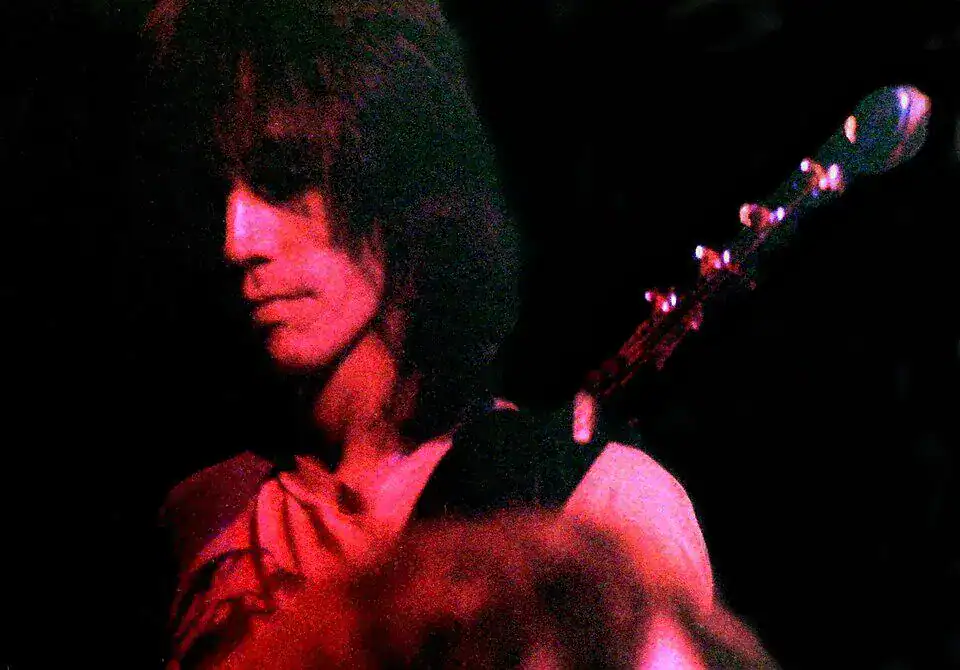
Photo: Unknown photographer / Wikimedia Commons / CC BY-SA 4.0
Ivan Král was a Czech-American guitarist, bassist, songwriter, producer and filmmaker whose career connected many of the most influential figures in rock music. Best known for his work with the Patti Smith Group and Iggy Pop, he also worked alongside former David Bowie guitarist Mick Ronson, wrote songs later recorded by David Bowie, and documented New York’s emerging punk scene through his acclaimed film The Blank Generation.
Although Král rarely sought the spotlight himself, his influence extended far beyond the bands in which he performed. As co-writer of Dancing Barefoot and Bang Bang, producer of numerous American and European recordings, and an important figure in both the New York punk movement and the post-communist Czech music industry, he built an international career spanning more than five decades.
Within David Bowie’s story, Král is best remembered through his long association with Iggy Pop, his friendship with Bowie, and as co-writer of Bang Bang, the song first recorded by Iggy Pop in 1981 before Bowie created his own interpretation for Never Let Me Down (1987). Although Král was never a member of Bowie’s own band, his career remained closely connected to Bowie’s wider creative circle through shared collaborators including Iggy Pop and Mick Ronson.
Key Facts
- Full name: Ivan Král
- Born: 12 May 1948, Prague, Czechoslovakia
- Died: 2 February 2020, Ann Arbor, Michigan, USA
- Nationality: Czech-American
- Occupations: Musician, songwriter, producer, filmmaker
- Instruments: Guitar, bass guitar, keyboards, vocals
- Years active: 1966–2020
- David Bowie connection: Friend and associate through Iggy Pop; co-writer of Bang Bang, later recorded by David Bowie for Never Let Me Down (1987)
- Associated artists: Patti Smith Group, Iggy Pop, David Bowie, Mick Ronson, Blondie, John Cale, Debbie Harry, John Waite and many others
Early Life in Prague
Ivan Král was born on 12 May 1948 in Prague, Czechoslovakia, into a family that valued education, journalism and culture. His father, Karel Král, worked as a journalist and translator, while his mother was a teacher. Growing up during the early years of Communist rule, Král discovered Western popular music through radio broadcasts and the small number of imported records that managed to find their way behind the Iron Curtain.
Inspired by the British beat boom of the early 1960s, he taught himself to play guitar while still at school. Like many young musicians of his generation, he became fascinated by artists such as The Beatles and The Rolling Stones, whose music represented freedom and creativity in sharp contrast to the political restrictions of everyday life in Communist Czechoslovakia.
While still a teenager he formed his first band, Saze (translated into English as Soot). Unlike many local groups that concentrated on cover versions, Saze performed original material in Czech, allowing Král to develop both as a guitarist and as a songwriter. Even at this early stage he showed an ambition to create his own music rather than simply imitate the artists he admired.
Music also became a form of escape from an increasingly restrictive political environment. Král later recalled that rehearsing with his band kept him focused during a period when he had little interest in conforming to the expectations of the Communist system. Rather than becoming involved in political organisations, he devoted nearly all of his spare time to writing songs and developing as a musician.
Moving to the United States
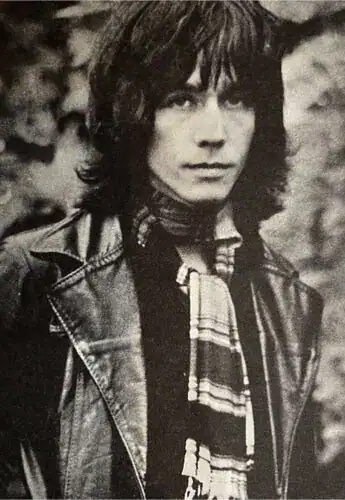
Photo: Ivan Král / Wikimedia Commons / CC BY-SA 4.0
The course of Král’s life changed dramatically during the mid-1960s. His father accepted an assignment with the United Nations in New York, and after several years of separation the rest of the family joined him in the United States during the summer of 1966. Shortly after arriving, his parents decided that Ivan and his brother would remain in America to complete their education, beginning an entirely new chapter in his life.
The move brought enormous opportunities but also significant challenges. Král suddenly found himself adapting to a new language, a different culture and one of the world’s largest cities. At the same time, New York exposed him to an exciting musical environment unlike anything he had experienced in Prague. Clubs, record shops and live performances introduced him to artists whose music had previously reached him only through radio broadcasts and scarce imported records.
Although the transition was not easy, the experience profoundly shaped his artistic outlook. Living in New York during the late 1960s placed Král at the centre of a rapidly evolving cultural scene that would soon produce glam rock, punk and new wave. Within only a few years he would become an active participant in that scene, working alongside musicians who would later become some of the defining figures of modern rock music.
Luger and the New York Glam Scene
The Blank Generation – Ivan Král and the New York underground scene
After settling in New York, Ivan Král quickly immersed himself in the city’s vibrant rock scene. During the early 1970s he joined Luger, a glam rock band that combined theatrical stage performances with hard-edged rock music. Although the group never achieved major commercial success, it provided Král with valuable experience as both a guitarist and songwriter while introducing him to many of the musicians who were redefining New York’s musical landscape.
Luger became a familiar name on the city’s club circuit, performing at venues including the Academy of Music and other well-known New York clubs. The band emerged at a time when glam rock, hard rock and the earliest elements of punk coexisted in the same venues, creating an unusually diverse musical environment. Král found himself surrounded by artists who were pushing beyond traditional rock music and experimenting with new sounds, visual identities and stage performances.
These years also brought him into contact with many musicians who would later become central figures in American rock music. New York’s clubs were places where performers regularly attended one another’s concerts, exchanged ideas and formed lasting friendships. Although Král was still establishing his own reputation, he had already become part of a creative community that included future members of Blondie, Television, the Ramones and other artists who would soon define the city’s punk and new wave movements.
Luger also performed with several emerging bands that were beginning to attract wider attention. Among them was the original line-up of Kiss, whose theatrical performances reflected the same glam-inspired atmosphere that characterised much of New York’s rock scene during the early 1970s. While both groups were still searching for a national breakthrough, the concerts illustrated how closely connected the city’s musicians had become.
Although Luger eventually disbanded without releasing a major commercial album, the experience proved invaluable for Král’s development. It strengthened his reputation as a versatile musician and, perhaps more importantly, placed him at the centre of an expanding musical network. Those relationships would soon lead to opportunities far beyond the glam rock scene, opening the door to collaborations with Patti Smith, Iggy Pop and, ultimately, David Bowie.
Joining the Patti Smith Group
In 1975, Ivan Král‘s career entered a decisive new phase when he joined the Patti Smith Group. Patti Smith had already attracted attention through her unique combination of poetry, literature and rock music, while guitarist Lenny Kaye and drummer Jay Dee Daugherty were helping to shape a sound that would become one of the foundations of New York’s emerging punk movement.
Král initially joined as bassist but soon demonstrated that he was far more than a supporting musician. His versatility allowed him to contribute guitar, keyboards, arrangements and original compositions, making him an increasingly important creative member of the group. His melodic approach complemented Smith’s poetic writing, creating a musical partnership that would last throughout the band’s most influential years.
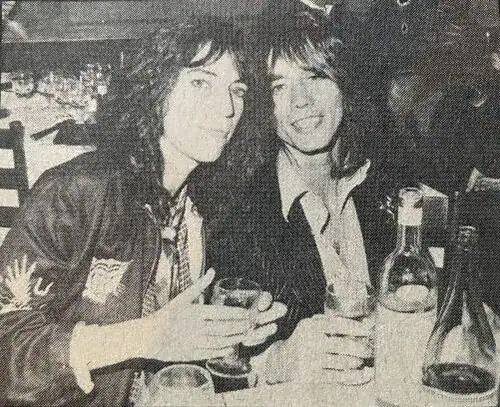
Photo: Ivan Král– Patti Smith and Ivan Kral at party promoting album in Italy 1978 / Wikimedia Commons / CC BY-SA 4.0
He first appeared on the group’s second album, Radio Ethiopia (1976), before becoming one of Patti Smith’s principal songwriting partners on Easter (1978) and Wave (1979). During this period, Král co-wrote several songs that would become closely associated with Smith’s career, demonstrating his ability to combine memorable melodies with adventurous rock arrangements.
Among his best-known compositions was Dancing Barefoot, co-written with Patti Smith for the album Wave. Released as a single in 1979, the song became one of Smith’s signature recordings and has since been interpreted by numerous artists. Král also contributed to songs including Space Monkey, Ask the Angels, 25th Floor, Pumping (My Heart) and We Three, establishing himself as one of the group’s most important musical collaborators.
Beyond the studio, Král toured extensively with the Patti Smith Group during the second half of the 1970s. Performing throughout the United States and Europe, he became part of one of the defining live acts of the punk era. Although Patti Smith remained the focal point on stage, the band’s musical strength relied heavily on the contributions of its individual members, with Král providing both instrumental versatility and compositional depth.
His years with the Patti Smith Group also expanded his circle of musical contacts. Through New York’s close-knit artistic community, Král regularly encountered musicians including members of Television, Blondie, Talking Heads, the Ramones and other artists whose careers were developing alongside Patti Smith’s. These relationships would continue to influence his own career long after the group temporarily disbanded in 1979.
When Patti Smith stepped away from touring at the end of the decade, Král had already established himself as a respected songwriter, multi-instrumentalist and producer. The reputation he had built during these years would soon lead to new opportunities, including an increasingly close musical relationship with Iggy Pop, bringing him into the same creative circle as David Bowie.
Working with Iggy Pop
Following the Patti Smith Group’s initial breakup in 1979, Ivan Král entered another important chapter of his career through his collaboration with Iggy Pop. Having already become part of the same New York musical community during the 1970s, the two musicians shared a commitment to adventurous rock music and a willingness to experiment beyond conventional commercial boundaries.
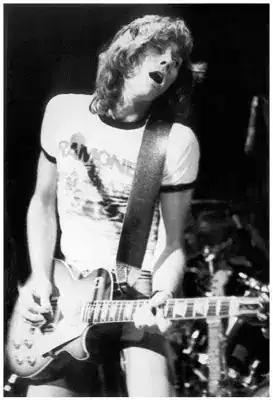
Photo: Robert Matheu / Wikimedia Commons / CC BY-SA 4.0
Král joined Iggy Pop‘s touring band during a period in which Pop was rebuilding his career following the release of The Idiot and Lust for Life (both 1977). Those albums, created in close partnership with David Bowie, had redefined Pop’s artistic direction and established one of rock music’s most celebrated creative partnerships.
As guitarist, bassist and keyboard player, Král became an important member of Iggy Pop‘s live band during the late 1970s and early 1980s. His versatility allowed him to recreate material from every stage of Pop’s career, from the raw power of The Stooges to the more sophisticated arrangements of his solo recordings. His musicianship made him a valued member of Pop’s touring ensemble.
Through his work with Iggy Pop, Král became part of the wider musical community that also included David Bowie, Mick Ronson, Carlos Alomar, Tony Visconti and many other musicians whose careers frequently overlapped. While Král never joined Bowie’s own band or recording sessions, he belonged to the same creative network that linked many of the leading artists of the era.
Ivan Král on David Bowie recording Bang Bang
“Unbelievable. I saw Bowie’s Glass Spider gig at the Meadowlands and was blown away when he performed Bang Bang. Such a thrill to see choreography and production on some little song I just whipped up out of boredom one night. I needed the income then, so it was a blessing on many levels. Thank you, David.”
Král also worked alongside former Bowie guitarist Mick Ronson, who joined Iggy Pop‘s touring band in the early 1980s. The two musicians developed a mutual respect and later discussed the possibility of future collaborations. Although those projects were never realised, largely because of Ronson’s illness and untimely death, their friendship reflected the close relationships that existed within Bowie’s wider musical circle.
Touring with Iggy Pop further established Král’s international reputation as a versatile guitarist, songwriter and arranger. His work with Pop strengthened his standing within one of rock music’s most influential creative communities and ultimately led to the enduring connection between his own career and David Bowie’s through the song Bang Bang, which Bowie later recorded for Never Let Me Down (1987).
Ivan Král in David Bowie’s Creative Circle
Ivan Král‘s connection with David Bowie developed through the close musical network that surrounded Iggy Pop during the late 1970s and early 1980s. Having established himself as a key member of Iggy Pop‘s touring band, Král worked alongside musicians whose careers were closely intertwined with Bowie’s, including guitarist Mick Ronson. Although Král never became a member of Bowie’s own band or recording sessions, he moved within the same creative circle that linked many of the era’s leading musicians.
There is little documented information about when Král and Bowie first met, but both musicians crossed paths through Iggy Pop and the wider New York and European rock community. Král later recalled Bowie as an approachable and supportive figure whose encouragement of fellow musicians extended well beyond his own projects. Rather than seeking the spotlight, Bowie was often present behind the scenes, observing rehearsals, exchanging ideas and maintaining friendships throughout this close-knit musical community.
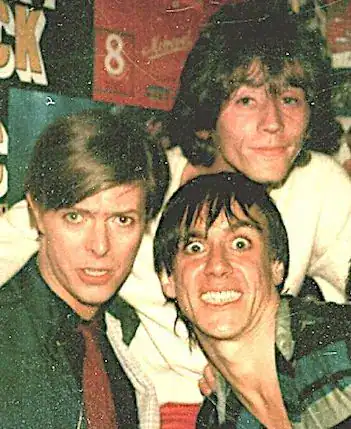
Photo: Ivan Král / Wikimedia Commons / CC BY-SA 4.0
The strongest direct connection between Ivan Král and David Bowie came through the song Bang Bang. Král co-wrote the composition with Iggy Pop, who first recorded it for his album Party (1981). Several years later Bowie selected the song for Never Let Me Down (1987), recording an entirely new interpretation that introduced Král’s songwriting to a much wider international audience. Although Bowie substantially reworked the arrangement, Král remained credited as one of the song’s writers.
While Ivan Král cannot be regarded as one of David Bowie’s direct recording or touring collaborators, his career remained closely connected to Bowie’s wider creative universe through Iggy Pop, Mick Ronson and the musicians who moved between their respective projects. His songwriting contribution to Bang Bang represents one of the most significant links between his own career and David Bowie’s recorded catalogue.
Songwriting and Production
Alongside his work as a performer, Ivan Král built an equally significant career as a songwriter, arranger and record producer. Rather than specialising in a single role, he became known as a versatile musician capable of composing, performing, arranging and producing across a wide range of musical styles. His broad musical knowledge and collaborative approach made him a sought-after partner for both established artists and emerging talent.
As a songwriter, Král achieved international recognition through compositions such as Dancing Barefoot, written with Patti Smith, and Bang Bang, co-written with Iggy Pop. Both songs enjoyed lives beyond their original recordings. Dancing Barefoot became one of Patti Smith’s signature works, while Bang Bang gained renewed international attention when David Bowie recorded his own interpretation for Never Let Me Down (1987).
Ivan Král on songwriting
“The greatest passion for me is writing songs that will still be here twenty years from now.”
During the 1980s, Král increasingly expanded his work as a producer, collaborating with artists in both the United States and Europe. His productions were characterised by clear arrangements, strong melodic structures and an emphasis on serving the song rather than relying on excessive studio techniques. Drawing on the experience he had gained alongside musicians such as Patti Smith, Iggy Pop and John Cale, he developed a reputation as a thoughtful and highly musical producer.
Following the political changes of 1989, Král returned regularly to his native Czechoslovakia, later the Czech Republic, where he became one of the country’s most respected producers and songwriters. He worked with numerous leading Czech and Slovak artists, helping introduce modern production techniques while mentoring a new generation of musicians. His influence on the country’s post-communist popular music scene remains one of the defining achievements of his later career.
Although much of his production work took place outside the international spotlight, fellow musicians consistently praised Král for his professionalism, musical versatility and ability to enhance the work of others. Whether contributing as a guitarist, bassist, keyboard player, songwriter or producer, he approached every project with the same commitment to craftsmanship that had characterised his career since the 1960s.
Later Career and Return to the Czech Republic
The political changes that swept across Central and Eastern Europe in 1989 opened a new chapter in Ivan Král‘s life. After spending more than two decades building an international career in the United States, he increasingly divided his time between America and his native Czechoslovakia, where democratic reforms created new opportunities for musicians and producers.
Ivan Král on producing music
“I choose bands that are different. You have to discover what those people have inside them.”
Král became actively involved in the country’s revitalised music scene, bringing with him the experience he had gained while working alongside artists such as Patti Smith and Iggy Pop. His international perspective proved valuable to a generation of Czech musicians who had grown up largely isolated from the Western recording industry during the communist era.
Throughout the 1990s and 2000s, Král established himself as one of the Czech Republic’s most respected producers, songwriters and recording musicians. He worked with numerous leading Czech artists, contributing to albums that reflected both his rock background and his ability to adapt to a wide variety of musical styles. His productions were recognised for their musical discipline, clear arrangements and emphasis on strong songwriting rather than studio excess.
Alongside his production work, Král continued to record and perform under his own name. His solo albums explored melodic rock, folk influences and singer-songwriter traditions while reflecting the broad musical experiences he had accumulated throughout his international career. Although these recordings reached a more specialised audience than his earlier collaborations, they demonstrated his continued creativity and artistic independence.
Despite spending much of his later career in the Czech Republic, Král maintained strong ties with the international music community. His reputation as a versatile musician, thoughtful producer and accomplished songwriter ensured that his work remained respected on both sides of the Atlantic. By combining his experiences in New York with his renewed connection to his homeland, he built a unique career that bridged two very different musical worlds.
Legacy
Ivan Král occupies a unique place in modern rock history as one of the few Czech musicians to build a truly international career during the second half of the twentieth century. Although he never sought celebrity status, his contributions as a guitarist, bassist, songwriter, producer and arranger left a lasting mark on numerous influential recordings and artists across several decades.
His work with the Patti Smith Group helped shape some of the defining recordings of the American punk movement, while his years with Iggy Pop placed him within one of rock music’s most influential creative communities. Through that circle, and through David Bowie’s later recording of Bang Bang, Král became part of the wider story surrounding Bowie’s artistic world, even though the two men never became regular recording or touring collaborators.

Photo: Marek Šmejkal – Ivan Kral and David Bowie laughing in Prague, Czechia 1996 / Wikimedia Commons / CC BY-SA 4.0
Following the fall of Communism, Král returned to the Czech Republic, where he became one of the country’s most respected producers, composers and recording musicians. His international experience helped influence a new generation of Czech artists, making him an important bridge between Western rock music and the revitalised Czech music industry of the 1990s and 2000s.
Beyond his achievements as a performer and producer, Král was widely admired for his musical versatility, professionalism and collaborative spirit. Fellow musicians consistently described him as an artist who placed creativity above personal recognition, allowing his work to speak for itself.
Ivan Král on David Bowie recording Bang Bang
“Unbelievable. I saw Bowie’s Glass Spider gig at the Meadowlands and was blown away when he performed Bang Bang. Such a thrill to see choreography and production on some little song I just whipped up out of boredom one night. I needed the income then, so it was a blessing on many levels. Thank you, David.”
Today, Ivan Král is remembered not only for his recordings with Patti Smith and Iggy Pop, but also as the songwriter behind Dancing Barefoot and Bang Bang, two compositions that became part of rock music history through recordings by Patti Smith, Iggy Pop and David Bowie. His career remains an enduring example of how a gifted musician could influence generations of artists while largely remaining behind the scenes.
Official Website & Further Information
Although Ivan Král passed away in 2020, his musical legacy continues through the recordings, compositions and productions he created over more than five decades. His work with Patti Smith, Iggy Pop and numerous Czech and international artists remains widely available, while his influence continues to be recognised by musicians and music historians alike.
DavidBowieWorld.com is dedicated to documenting the careers of David Bowie’s collaborators through carefully researched historical information. This page will continue to be updated as new verified information becomes available regarding Ivan Král‘s work and his connections within David Bowie’s wider creative circle.
Article Origin
This article has been researched and written exclusively for DavidBowieWorld.com. It is based on verified historical sources documenting Ivan Král‘s career as a songwriter, multi-instrumentalist, producer and collaborator of artists including Patti Smith, Iggy Pop and members of David Bowie’s wider creative circle.
© DavidBowieWorld.com — David Bowie Collaborations & Creative Circle Archive.
