
Greg Errico – Drummer for David Bowie’s Diamond Dogs Tour
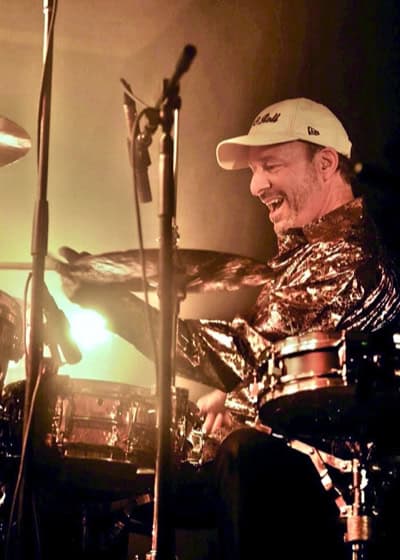
Greg Errico, This image is available through Wikimedia Commons under the public-domain status indicated on the file page. Source: Wikimedia Commons.
Greg Errico is an American drummer, producer and recording artist best known as the founding drummer of Sly & the Family Stone, one of the most influential funk, soul and rock groups of the late 1960s. His precise, powerful and deeply musical drumming helped define a new rhythmic language in popular music, combining rock energy, soul discipline and funk groove in a way that influenced generations of musicians.
Errico entered David Bowie’s world in September 1974, during the American continuation of the Diamond Dogs Tour. By that point Bowie was already moving away from the large-scale theatrical production of the earlier summer shows and towards the leaner, soul-influenced direction that would soon lead into Young Americans. Errico’s background made him a natural fit for this transitional moment.
Although his time with Bowie was brief, it occupies an important place in the story of Bowie’s 1974 live transformation. Errico brought with him the authority of a drummer who had already helped reshape American funk with Sly & the Family Stone, appeared at Woodstock, worked with Weather Report and moved easily between rock, soul, jazz-fusion and improvisational music.
- Name: Greg Errico
- Full name: Gregory Errico
- Born: 1 September 1948, San Francisco, California, United States
- Profession: Drummer, record producer, recording artist
- Known for: Founding drummer of Sly & the Family Stone
- Bowie connection: Drummer during the September 1974 phase of David Bowie’s Diamond Dogs Tour
- Musical background: Funk, soul, rock, jazz-fusion and Bay Area rhythm & blues
- Major recognition: Inducted into the Rock & Roll Hall of Fame with Sly & the Family Stone in 1993
Early Life in San Francisco
Greg Errico was born in San Francisco, California, on 1 September 1948. Growing up in the Bay Area placed him close to one of the most diverse and energetic music scenes in the United States. San Francisco in the 1950s and early 1960s was not yet the global symbol of counterculture it would soon become, but the city already contained a rich mixture of rhythm and blues, jazz, Latin music, soul, Italian-American family traditions and working musicians who played local clubs, dances and community events.
Errico developed an interest in rhythm at an early age. Like many young drummers of his generation, he learned not through formal conservatory training but by listening closely to records, studying the feel of working musicians and absorbing the sounds around him. The influence of artists such as Ray Charles, James Brown and the rhythm and blues heard on Bay Area radio helped shape his early sense of groove.
This practical, ear-based education became central to his later playing. Errico’s drumming was never merely about speed or display. From the beginning, his strongest quality was feel: the ability to make a band move, breathe and lock together. That quality would later make him essential to Sly & the Family Stone and valuable to artists as different as Weather Report, David Bowie, Santana, Betty Davis and Jerry Garcia.
Musical Beginnings
By his mid-teens, Errico was already playing in local San Francisco groups. He gained early experience in rhythm and blues settings, where timing, discipline and the ability to support singers were more important than flashy soloing. This background gave him the musical instincts that would later separate him from many rock drummers of the period.
One of his early important connections was with guitarist Freddie Stewart, later known as Freddie Stone. Errico became involved with Freddie and the Stone Souls, a Bay Area group that performed rhythm and blues material and helped prepare the ground for what would soon become one of the most important bands in American popular music.
The Bay Area music scene encouraged cross-pollination. Musicians moved between clubs, late-night shows, radio connections and informal rehearsals. It was in this environment that Errico came into contact with Freddie’s brother, Sly Stone, a charismatic musician, producer and radio personality who was already developing ideas that would challenge the boundaries between soul, rock, gospel, funk and psychedelia.
Founding Sly & the Family Stone
In late 1966, Greg Errico became part of the original formation of Sly & the Family Stone. The group was radical not only because of its sound, but also because of its very existence. At a time when American popular music was often divided by race, gender, genre and audience expectation, Sly & the Family Stone brought together Black and white musicians, men and women, soul singers, rock players and horn-driven rhythm and blues energy into one unified band.
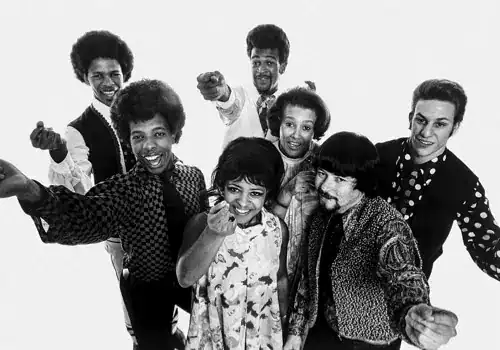
Sly & the Family Stone publicity photograph, 1968. The image is available through Wikimedia Commons under the public-domain status indicated on the file page. Source: Wikimedia Commons.
Errico’s role was central from the beginning. His drumming provided the disciplined foundation that allowed the band’s explosive mixture of voices, horns, guitar, bass and keyboards to work. He could play with the tightness required for soul music, the force expected from rock audiences and the elasticity needed for funk. That combination became one of the signatures of the group.
The classic early lineup included Sly Stone, Freddie Stone, Larry Graham, Rose Stone, Cynthia Robinson, Jerry Martini and Greg Errico. Together they created a sound that was joyful, political, danceable, experimental and completely modern. Their music spoke to the optimism and tension of the late 1960s while remaining rooted in the physical power of rhythm.
A New Language of Funk and Rock Drumming
Greg Errico‘s drumming with Sly & the Family Stone helped redefine what a drummer could do inside a popular song. He did not simply keep time behind the band. His hi-hat, snare and bass drum patterns became active parts of the arrangement, pushing the songs forward while leaving space for Larry Graham’s bass, the horn lines and Sly Stone’s vocals.
On recordings such as Dance to the Music, Everyday People, I Want to Take You Higher, Stand!, Hot Fun in the Summertime and Thank You (Falettinme Be Mice Elf Agin), Errico’s playing helped create a bridge between soul, rock and the emerging language of funk. His grooves were firm but alive, simple enough to make the songs immediately accessible and subtle enough to reward close listening.
This rhythmic approach would become enormously influential. Later funk, disco, hip-hop, rock and pop musicians drew from the rhythmic vocabulary that Sly & the Family Stone helped establish. Errico’s drum parts, especially from the group’s late 1960s and early 1970s recordings, would later be sampled, studied and imitated by generations of producers and drummers.
Woodstock and International Recognition
Sly & the Family Stone’s appearance at the Woodstock Music and Art Fair in August 1969 became one of the defining performances of the festival. Taking the stage in the early hours of the morning, the band transformed fatigue into collective energy. Their performance of songs including Dance to the Music, Everyday People and I Want to Take You Higher captured the communal spirit of the event while demonstrating the sheer power of the band at its peak.
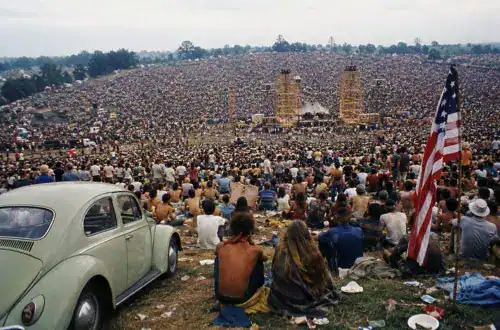
For Greg Errico, Woodstock confirmed his place as one of the most important young drummers in American music. His playing gave the performance momentum and control, holding together a band whose stage energy could be explosive. The performance helped bring Sly & the Family Stone to an even wider audience and placed Errico in the front rank of drummers associated with the late 1960s musical revolution.
The importance of this period cannot be overstated. By the time David Bowie would later bring Errico into his touring band in 1974, Errico was not simply a hired drummer. He was already a musician with a major musical legacy behind him: a founding member of a band that had changed the sound, look and social meaning of modern popular music.
Leaving Sly & the Family Stone
By 1971, the situation inside Sly & the Family Stone had changed dramatically. The band remained commercially important, but the atmosphere around the group had become increasingly difficult. Internal tensions, exhaustion, financial problems and the growing instability surrounding Sly Stone placed heavy pressure on the musicians who had helped build the group from the beginning.
Greg Errico became the first member of the original group to leave. His departure marked a major turning point in the history of Sly & the Family Stone. It was not simply the loss of a drummer, but the loss of one of the rhythmic architects of the band’s classic sound. The group would continue, but the balance and discipline of the original lineup were never quite the same again.
For Errico, leaving the band opened the door to a very different kind of career. Instead of remaining tied to one group, he moved into a wide range of musical settings. This flexibility became one of the defining features of his post-Sly career and helps explain why David Bowie would later be able to draw on his musicianship during one of the most unusual transitional periods of Bowie’s own live work.
After Sly: Session Work and New Directions
After leaving Sly & the Family Stone, Greg Errico did not disappear from music. Instead, he became part of the wider network of Bay Area musicians who moved between rock, funk, Latin music, jazz-fusion and improvisational projects. His reputation allowed him to work with artists who needed a drummer capable of combining discipline with rhythmic imagination.
One of his important early post-Sly recordings was Carlos Santana & Buddy Miles! Live!, recorded in Hawaii and released in 1972. The album brought together the Latin-rock fire of Santana with the powerful rhythm and blues energy of Buddy Miles. Errico’s drumming fitted naturally into this environment, providing a strong and flexible foundation for extended live performances.
During the same period, Errico also developed as a producer. His work on the debut album by Betty Davis placed him close to one of the most uncompromising funk artists of the 1970s. That project brought together musicians from the worlds of Sly & the Family Stone, Santana and the Bay Area funk scene, showing Errico’s ability to organise and shape music from behind the drum kit as well as from the producer’s chair.
Weather Report and Jazz-Fusion
In 1973, Greg Errico entered another demanding musical environment when he joined Weather Report as the band’s touring drummer. Led by keyboardist Joe Zawinul and saxophonist Wayne Shorter, Weather Report was one of the pioneering jazz-fusion groups of the era, combining electric jazz, funk, world music and open-ended improvisation in a way that continually challenged both audiences and musicians.
Errico toured with Weather Report during 1973 and 1974, supporting the band’s live performances following the release of the acclaimed album Sweetnighter (1973). Although he became an important part of the touring line-up, he did not participate in the recording of Sweetnighter and never appeared on a Weather Report studio album. His performances with the group nevertheless demonstrated his remarkable ability to move beyond the funk and soul traditions for which he had become famous.
Performing with Weather Report required a drummer who could react instantly to changing musical ideas, unusual time signatures and extended improvisation. Errico successfully adapted his groove-oriented approach to the band’s adventurous musical language, further expanding his reputation as one of the most versatile drummers of his generation.
The experience proved invaluable. By the time David Bowie recruited Greg Errico in September 1974, he had already established himself as a musician capable of moving effortlessly between rock, funk, soul and jazz-fusion. That versatility made him an ideal choice during one of the most important transitional periods of Bowie’s live career.
David Bowie in 1974
To understand Greg Errico‘s Bowie connection, it is important to understand where David Bowie stood in 1974. The year began with Bowie moving away from the Ziggy Stardust era and into the dark theatrical world of Diamond Dogs. Released in 1974, the album presented a dystopian vision shaped by glam rock, urban decay, science fiction and Bowie’s abandoned ideas for a stage adaptation of George Orwell‘s Nineteen Eighty-Four.
The first version of the Diamond Dogs Tour was one of the most ambitious stage productions Bowie ever attempted. It used elaborate sets, theatrical movement, bridges, platforms, urban scenery and a carefully constructed visual world. The production was spectacular but expensive and physically demanding. As the tour continued, Bowie began moving away from this large theatrical concept and towards a more direct, musically driven presentation.
At the same time, his musical interests were changing rapidly. Bowie had become increasingly fascinated by American soul, rhythm and blues, gospel and the sound of Black American vocal groups. These interests would soon lead to the recording of Young Americans. The 1974 tour therefore became a bridge between two very different Bowie eras: the theatrical dystopia of Diamond Dogs and the soul-influenced direction of his next album.
Joining David Bowie’s Band
Greg Errico joined David Bowie’s touring band in September 1974, during this period of transition. His arrival was not random. Bowie needed musicians who could support a sound that was becoming funkier, looser and more soul-influenced than the earlier glam-rock arrangements. Errico’s background with Sly & the Family Stone, Weather Report, Santana-related projects and Bay Area funk made him exceptionally well suited to that moment.
Errico joined a band that already contained several major musicians. Guitarist Earl Slick had become one of Bowie’s key live players during the tour. Mike Garson brought the dramatic piano language that had already shaped Aladdin Sane and continued to add unpredictable colour to Bowie’s live performances. Carlos Alomar, who became central to Bowie’s mid-1970s work, was also part of the developing soul-oriented musical direction.
The rhythm section during Errico’s Bowie period also included bassist Doug Rauch, known for his work with Santana. Rauch and Errico shared a background in music that valued groove, movement and improvisational strength. Their presence helped Bowie move the live arrangements away from the rigid theatricality of the early Diamond Dogs shows and closer to the rhythmic feel that would dominate the later 1974 soul performances.
Why Greg Errico Was the Right Musician for David Bowie
When David Bowie assembled his touring band for the September 1974 performances, he was looking for far more than technically accomplished musicians. He wanted players who could support the musical direction he was actively exploring. During that year Bowie had become increasingly fascinated by American soul, rhythm and blues and funk, influences that would soon culminate in the recording of Young Americans.
Greg Errico was an ideal choice for that moment. As the founding drummer of Sly & the Family Stone, he had helped create one of the defining rhythmic styles of modern American music. His drumming combined precision with feel, allowing songs to breathe while maintaining an irresistible groove. Rather than overpowering an arrangement, Errico instinctively understood how every musical part should support the whole performance.
Equally important was his remarkable versatility. By 1974 he had already demonstrated that he could move effortlessly between funk, rock, rhythm and blues and the more adventurous world of jazz-fusion through his work with Weather Report. That breadth of experience made him exceptionally well suited to Bowie’s constantly evolving live performances, where arrangements often changed from one tour leg to the next and musicians were expected to adapt quickly.
Bowie also surrounded himself with players who brought genuine musical authenticity rather than simply copying fashionable styles. Alongside musicians such as Carlos Alomar, Doug Rauch and the outstanding vocal ensemble led by Luther Vandross, Greg Errico contributed first-hand experience of the American funk and soul traditions that Bowie admired. Together they helped transform the Diamond Dogs Tour into a bridge between Bowie’s theatrical glam-rock productions and the sophisticated soul sound that would soon define his next creative chapter.
Although Greg Errico‘s collaboration with David Bowie lasted only a short period, his appointment reflected Bowie’s remarkable ability to recognise exactly the musicians he needed at precisely the right moment. Errico was not chosen simply because he was an outstanding drummer; he was chosen because his musical background perfectly matched the direction in which Bowie himself was moving.
The September 1974 Diamond Dogs Tour Phase
Greg Errico‘s Bowie performances belong specifically to the September 1974 American phase of the tour. This distinction is important. The Diamond Dogs Tour was not one single unchanging production. It evolved significantly between its opening shows and the later performances that led towards the soul revue atmosphere associated with Bowie’s late 1974 concerts.
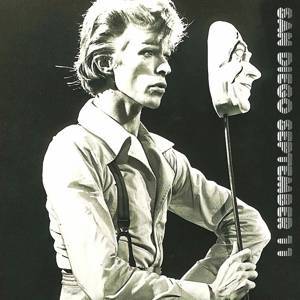
The September shows were still connected to the Diamond Dogs period, but the music was already changing. Bowie was experimenting with arrangements that placed greater emphasis on groove, backing vocals and American soul feeling. Songs from earlier albums were being reshaped for a new band context, while newer material pointed towards the Philadelphia soul direction he was about to explore more fully.
Errico’s drumming helped support this change. Rather than treating the Bowie catalogue as fixed rock material, he brought a rhythmic understanding rooted in funk and soul. His playing could give weight to the darker Diamond Dogs material while also allowing the music to breathe in a looser, more rhythmically alive way.
Greg Errico‘s Role on the Diamond Dogs Tour
Greg Errico‘s role in David Bowie’s 1974 touring band should be understood as a focused live collaboration rather than a long-term studio partnership. He was brought into the band during the September 1974 American dates, at the point when Bowie was reshaping the Diamond Dogs material into a more rhythmically direct and soul-influenced concert experience.
This was a demanding musical situation. Bowie was not simply replacing one drummer with another; he was altering the character of the live band. The earlier Diamond Dogs performances had relied heavily on theatrical staging and dramatic presentation. By September, the music itself was carrying more of the weight, and the rhythm section had to support arrangements that were becoming looser, warmer and more connected to American funk and soul.
Errico’s background made him especially suitable for this role. As the original drummer of Sly & the Family Stone, he understood how to create momentum without overcrowding the music. His grooves were firm, disciplined and physical, but they left space for singers, guitars, piano and backing vocals. That balance was exactly what Bowie’s 1974 band needed as it moved towards the sound world of Young Americans.
His contribution was therefore not about dramatic visibility, but about feel. Errico gave the band a rhythmic foundation that helped Bowie bridge two creative identities: the dystopian rock theatre of Diamond Dogs and the soul-based reinvention that followed.
Songs Performed with David Bowie
Although Greg Errico‘s tenure with David Bowie was relatively short, he joined the band at a fascinating moment in the evolution of the Diamond Dogs Tour. The set list was gradually moving away from the heavily theatrical presentation of the earlier shows while introducing stronger soul and rhythm & blues influences that anticipated Young Americans.
During the September 1974 performances, Errico accompanied Bowie on material drawn from several stages of his career. Songs from Diamond Dogs remained central to the concerts, while classics from The Rise and Fall of Ziggy Stardust and the Spiders from Mars, Aladdin Sane and earlier albums were reinterpreted with a noticeably more groove-oriented approach.
Although the exact set list varied from performance to performance, Errico’s drumming formed part of live versions of songs including 1984, Rebel Rebel, Sweet Thing, Candidate, Big Brother, Knock on Wood, Rock ‘n’ Roll With Me, Diamond Dogs, John, I’m Only Dancing (Again) and several earlier Bowie classics that were reshaped to suit the band’s increasingly soulful sound.
Rather than simply recreating the studio recordings, the live arrangements allowed the musicians greater rhythmic freedom. Errico’s experience in funk and soul gave these performances additional depth, helping Bowie transform familiar songs into something noticeably different from the concerts presented only a few months earlier.
Known September 1974 Concert Dates with David Bowie
Greg Errico‘s documented period with David Bowie belongs to the September 1974 American leg of the Diamond Dogs Tour. This was a short but important run of concerts in which Bowie resumed touring after the August break and began moving more clearly towards the soul-influenced direction that would soon define Young Americans.
- 2 September 1974: Universal Amphitheatre, Los Angeles, California
- 3 September 1974: Universal Amphitheatre, Los Angeles, California
- 4 September 1974: Universal Amphitheatre, Los Angeles, California
- 5 September 1974: Universal Amphitheatre, Los Angeles, California
- 6 September 1974: Universal Amphitheatre, Los Angeles, California
- 7 September 1974: Universal Amphitheatre, Los Angeles, California
- 8 September 1974: Universal Amphitheatre, Los Angeles, California
- 11 September 1974: San Diego Sports Arena, San Diego, California
- 13 September 1974: Tucson Convention Center, Tucson, Arizona
- 14 September 1974: Arizona Veterans Memorial Coliseum, Phoenix, Arizona
- 15 September 1974: Anaheim Convention Center, Anaheim, California
- 16 September 1974: Anaheim Convention Center, Anaheim, California
Following the September 1974 concerts, David Bowie continued refining both his live presentation and his touring band as the Diamond Dogs Tour evolved into the more soul-oriented performances later known as the Soul Tour. Greg Errico‘s contribution therefore belongs to a clearly defined and historically significant chapter of Bowie’s live career: the transitional September 1974 performances, when the theatrical Diamond Dogs production was giving way to the richer American soul and rhythm & blues influences that would soon shape Young Americans.
From Theatrical Rock to Soul Movement
The presence of Greg Errico in Bowie’s band illustrates one of the most fascinating aspects of 1974: Bowie was changing in public. Audiences who came expecting the theatrical spectacle of the early Diamond Dogs shows were now hearing a performer increasingly drawn towards American soul. The change was not yet complete, but it was clearly underway.
Errico was exactly the kind of musician who could help make that transition believable. Having played with Sly & the Family Stone, he understood how to combine precision with physical movement. He could support singers, respond to horn-like phrasing, hold down a deep groove and give rock songs a funk-inflected foundation without making them feel forced.
This made his short Bowie period historically valuable. He was not part of Bowie’s studio albums, and he did not remain in the band for a long tour cycle, but his presence captures the moment when Bowie was actively searching for a new live language. Errico’s drumming belonged to the bridge between Diamond Dogs and Young Americans.
The Bowie Band Around Greg Errico
The musicians surrounding Bowie in 1974 formed one of the most unusual ensembles of his career. The band contained players from rock, jazz, soul, funk and theatrical music backgrounds. This mixture allowed Bowie to reinterpret his catalogue in ways that would have been impossible with a conventional rock band.
Alongside Greg Errico, the 1974 Bowie band included musicians whose contributions would become central to Bowie’s mid-1970s transformation. Carlos Alomar‘s guitar work helped connect Bowie to New York rhythm and blues and would soon become essential to the sound of Young Americans, Station to Station and beyond.
Mike Garson‘s piano provided continuity with Bowie’s earlier theatrical period, while Earl Slick added a harder rock edge. The combination of these musicians with a rhythm section informed by funk and fusion gave Bowie the flexibility to move between drama, groove and soul within the same performance.
For Errico, this setting was very different from Sly & the Family Stone but not entirely unfamiliar. Like Sly, Bowie was an artist who treated the stage as a space for reinvention. Both artists understood that a band could be more than accompaniment: it could be an engine for cultural and musical change.
Greg Errico and the Evolution of David Bowie’s Live Band
David Bowie constantly reinvented his touring bands to match the direction of his music. Rather than relying on a fixed group of musicians, he assembled line-ups that reflected the sound he wanted to create at a particular moment in his career. Greg Errico‘s arrival in September 1974 was a perfect example of that philosophy.
By bringing in a drummer whose musical roots lay in funk, soul and rhythm & blues, Bowie strengthened the rhythmic character of his live performances at exactly the time he was moving away from glam rock. The change was not simply stylistic. It represented a broader artistic shift towards American music that would soon be fully realised on Young Americans.
Although Greg Errico remained with the band for only a short period, his presence illustrates Bowie’s remarkable ability to recognise the strengths of individual musicians and place them in the right creative setting. Every drummer who worked with Bowie brought something different, and Errico’s contribution belongs to one of the most significant transitional moments in Bowie’s performing career.
From Diamond Dogs to the Soul Tour
The concerts Greg Errico performed with David Bowie took place during one of the most remarkable artistic transitions of Bowie’s career. Although still officially part of the Diamond Dogs Tour, the September 1974 performances already revealed a noticeably different musical direction from the elaborate theatrical shows presented earlier that year.
As the tour progressed, Bowie gradually reduced the emphasis on large-scale stage production and placed increasing importance on the musicians themselves. The rhythm section became more prominent, the backing vocal arrangements expanded, and American soul and rhythm & blues influences began to dominate the live performances. Songs from Diamond Dogs were no longer presented solely as dramatic rock pieces but were increasingly interpreted with greater rhythmic freedom and a deeper sense of groove.
Greg Errico joined Bowie at precisely this moment of transformation. His years with Sly & the Family Stone had given him an instinctive understanding of funk, soul and ensemble playing, qualities that blended naturally with Bowie’s evolving musical ambitions. Together with guitarist Carlos Alomar, bassist Doug Rauch, pianist Mike Garson and the outstanding vocalists led by Luther Vandross, Errico helped create a live sound that looked beyond glam rock towards a richer and more sophisticated style rooted in American music.
Only a few weeks later, Bowie entered Sigma Sound Studios in Philadelphia to begin recording Young Americans. While Greg Errico was not involved in those studio sessions, his brief period in Bowie’s touring band belongs to the same creative transition. The September concerts capture Bowie in the process of redefining both his live performances and his musical identity, making Errico’s contribution an important part of that remarkable evolution.
Working with David Bowie
Greg Errico‘s direct working period with David Bowie was brief, but it placed him inside one of Bowie’s most restless creative years. Bowie was not simply touring an album; he was dismantling one artistic identity while building another. Musicians entering the band at this stage had to be adaptable, alert and comfortable with change.
Errico’s experience made him well prepared for that environment. In Sly & the Family Stone he had helped support a band where voices, horns, rhythm and social message all moved together. In Weather Report he had played music that could shift shape from night to night. With Bowie, those same qualities were useful in a different context: the music had to carry theatre, rock history, soul ambition and the pressure of constant reinvention.
There is no evidence that Errico recorded studio material with David Bowie. His Bowie connection should therefore be understood as a live collaboration, centred on the 1974 tour. That makes his role more specific, but not less important. Bowie often used touring bands as laboratories for change, and Errico’s time in the band belongs to one of the most important laboratories of all.
A Different Kind of Bowie Drummer
Throughout his career, David Bowie worked with a remarkable succession of drummers, each bringing a distinctive musical personality to his recordings and live performances. Rather than searching for a single, recognisable “Bowie sound” behind the drum kit, Bowie selected musicians whose strengths matched the artistic direction he was pursuing at that particular moment.
Greg Errico represented a unique choice. Unlike many rock drummers of the early 1970s, his musical foundation was deeply rooted in funk, soul and rhythm & blues. His years with Sly & the Family Stone had taught him that groove was created through precision, dynamics and interaction rather than sheer volume. That philosophy complemented Bowie’s increasingly sophisticated live arrangements during the autumn of 1974.
Errico’s drumming brought a relaxed confidence to the stage. Instead of dominating the performance, he provided a solid rhythmic framework that allowed the other musicians to explore the increasingly soulful direction of Bowie’s music. His partnership with bassist Doug Rauch created a rhythm section capable of supporting both the dramatic material from Diamond Dogs and the warmer, groove-based approach that was beginning to emerge.
Although later drummers such as Dennis Davis would become closely associated with Bowie’s classic mid-1970s recordings, Greg Errico occupies an important place in that story. His brief contribution belongs to the crucial transitional period when Bowie’s live performances were evolving towards the sound that would soon be heard on Young Americans.
Greg Errico‘s Signature Style
Greg Errico was never a drummer who relied on technical showmanship alone. His reputation was built on feel, balance and an instinctive understanding of groove. Whether performing with Sly & the Family Stone, Weather Report or David Bowie, he approached every song from the perspective of the music itself rather than individual display.
One of Errico’s greatest strengths was his ability to lock seamlessly with the bass while leaving space for singers, keyboards, guitars and horns. His crisp hi-hat work, controlled bass drum patterns and disciplined snare playing created a rhythmic foundation that was both powerful and remarkably musical. This style became one of the defining characteristics of Sly & the Family Stone and remained a hallmark of his playing throughout his career.
These qualities also explain why Bowie chose him during the 1974 tour. Bowie was searching for musicians who could support increasingly sophisticated arrangements without overpowering them. Errico’s experience in funk, soul and jazz-influenced music allowed him to strengthen the rhythm section while giving Bowie’s evolving live performances greater warmth, movement and flexibility.
Although his collaboration with Bowie was relatively short, Errico demonstrated the same musical philosophy that had earned him international recognition years earlier: serve the song first, support the ensemble and let the groove carry the performance.
Why Greg Errico Mattered to David Bowie
David Bowie rarely chose musicians simply because they were technically accomplished. He looked for artists whose musical backgrounds could help shape the direction he wanted to explore next. Greg Errico was one of those musicians.
By September 1974 Bowie was moving away from the theatrical rock spectacle of the original Diamond Dogs Tour and embracing a rhythmically richer style influenced by American soul, funk and rhythm & blues. Errico had already helped define that musical language with Sly & the Family Stone and had expanded it further through his work with Weather Report and other leading American musicians.
His arrival brought experience, confidence and an instinctive understanding of groove to Bowie’s live band. Rather than dominating performances, Errico strengthened the entire rhythm section, allowing Carlos Alomar‘s guitar, Doug Rauch‘s bass and the outstanding vocal ensemble led by Luther Vandross to work together with remarkable cohesion.
Although his collaboration with Bowie lasted only a short period, Greg Errico contributed to one of the most significant transitions of Bowie’s career. His performances belong to the moment when Bowie left one musical identity behind while laying the foundations for another.
From Funk Pioneer to Bowie’s Soul Revolution
When Greg Errico joined David Bowie in September 1974, he was already recognised as one of the musicians who had helped redefine modern popular music. As the original drummer of Sly & the Family Stone, he had played a central role in creating a rhythmic language that combined funk, soul, rock and gospel into something entirely new.
Bowie was fascinated by American music and had immersed himself in soul and rhythm & blues throughout 1974. Rather than merely borrowing stylistic elements, he sought musicians who had helped create the music itself. Greg Errico represented exactly that world. His understanding of groove, dynamics and ensemble playing came directly from the pioneers of American funk rather than from musicians imitating the style.
This authenticity became especially valuable as Bowie reshaped his live performances during the autumn of 1974. Songs were becoming more fluid, the rhythm section more prominent and the vocal arrangements increasingly influenced by gospel and soul traditions. Errico’s presence helped reinforce that musical direction, providing a rhythmic foundation that felt completely natural.
Although his stay in Bowie’s band was brief, Greg Errico represents an important connection between two landmark chapters in popular music history: the revolutionary funk of Sly & the Family Stone and David Bowie’s remarkable transformation from glam rock innovator to one of the leading interpreters of American soul.
Video: Greg Errico with David Bowie
Greg Errico performing with David Bowie during the Diamond Dogs Tour, September 1974.
This rare concert footage captures David Bowie during the September 1974 phase of the Diamond Dogs Tour, the period in which Greg Errico joined Bowie’s live band. By this stage the elaborate theatrical production of the earlier shows had been streamlined, allowing the music to take centre stage as Bowie increasingly embraced the soul and rhythm & blues influences that would soon shape Young Americans.
Errico’s powerful yet controlled drumming complemented this musical transition perfectly. Having established his reputation with Sly & the Family Stone and expanded his musical vocabulary through Weather Report, he brought an unmistakable sense of groove to Bowie’s live performances. His background in funk and soul helped strengthen the rhythm section while supporting the increasingly sophisticated vocal arrangements led by Luther Vandross.
Although Greg Errico‘s collaboration with Bowie lasted only a short period, it represents a fascinating chapter in Bowie’s continual reinvention. The performances from September 1974 capture the moment when Bowie was moving away from glam rock and towards the distinctly American soul sound that would define the next phase of his career.
Luther Vandross and the New Soul Sound
One of the most significant developments during Bowie’s 1974 tour was the increasing importance of soul and gospel-inspired vocal arrangements. The backing vocal ensemble, led by the remarkable Luther Vandross, became far more than decorative support. Their harmonies fundamentally changed the atmosphere of Bowie’s concerts, adding warmth, rhythmic drive and a distinctly American character to both new material and older songs.
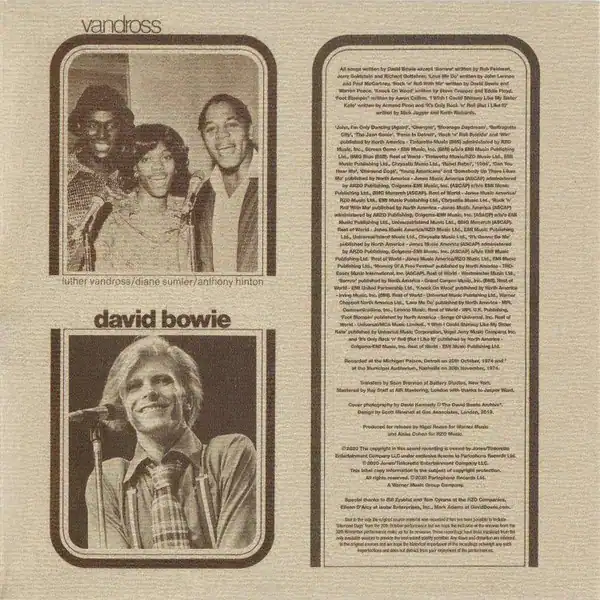
Left to right: Luther Vandross, Diane Sumler and Anthony Hinton during David Bowie’s 1974 Diamond Dogs Tour.
For Greg Errico this environment felt completely natural. Throughout his years with Sly & the Family Stone he had worked alongside powerful vocal ensembles where rhythm and harmony were inseparable. Rather than simply accompanying singers, the drummer became part of the conversation between lead vocals, backing harmonies and the rhythm section.
That experience proved invaluable in Bowie’s evolving live band. Songs no longer relied purely on rock dynamics but increasingly drew on funk, rhythm & blues and gospel traditions. Errico understood how to leave space for those harmonies while maintaining the steady pulse that allowed the arrangements to breathe.
The combination of Greg Errico‘s drumming, Carlos Alomar‘s rhythmic guitar, Doug Rauch‘s bass playing and Luther Vandross‘ vocal direction created one of the strongest rhythm sections Bowie had assembled up to that point in his career.
Doug Rauch and the Rhythm Section
Another important musical partnership during this period was Greg Errico‘s work alongside bassist Doug Rauch. Like Errico, Rauch came from a musical background deeply rooted in funk and improvisation, having established his reputation through his work with Santana and other leading musicians of the early 1970s.
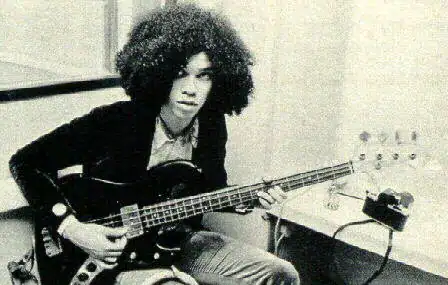
David Bowie performing during the Diamond Dogs Tour, 1974. The image is available through Wikimedia Commons under the licence or public-domain status indicated on the file page. Source: Wikimedia Commons.
Together they formed a rhythm section capable of combining precision with flexibility. Rather than simply reproducing the arrangements from Bowie’s records, they gave the music a looser, more organic feel. This approach suited Bowie perfectly, as he was already thinking beyond Diamond Dogs towards the sophisticated soul music he would soon record in Philadelphia.
Although their partnership with Bowie lasted only a short period, the chemistry between Rauch and Errico represented one of the clearest signs that Bowie’s musical ambitions were changing rapidly during the second half of 1974.
Why Greg Errico Was the Right Drummer
Looking back, Greg Errico‘s appointment makes complete musical sense. Bowie was not searching for another glam-rock drummer. He wanted musicians capable of supporting an entirely different direction, one that embraced American rhythm & blues without abandoning the dramatic qualities that had defined his earlier work.
Errico possessed exactly the qualities Bowie required. His years with Sly & the Family Stone had taught him how to build irresistible grooves while remaining sensitive to singers and arrangements. Weather Report had expanded his musical vocabulary even further, proving that he could move comfortably between structured songs and open improvisation.
These experiences allowed him to adapt quickly to Bowie’s constantly changing musical ideas. Rather than imposing a recognisable personal style on every performance, Errico understood how to strengthen the music itself. That professionalism made him an ideal choice during one of the most transitional periods of Bowie’s career.
Beyond David Bowie
Following his time with Bowie, Greg Errico continued building one of the most varied careers of any American drummer of his generation. Rather than remaining attached to a single artist, he continued moving comfortably between touring, studio work, producing and special projects that reflected his wide-ranging musical interests.
His long association with the Jerry Garcia Band developed throughout the mid-1970s and early 1980s, while his friendships with members of the Grateful Dead family led to numerous collaborations with Mickey Hart, Bob Weir and other musicians from the San Francisco scene. These projects demonstrated once again that Errico’s reputation extended well beyond funk music.
At the same time he remained active as a producer, working with artists from soul, jazz and rhythm & blues backgrounds. Unlike many musicians remembered primarily for one famous band, Errico continually reinvented himself without losing the rhythmic identity that had first established his reputation during the late 1960s.
Producer and Musical Director
Producing gradually became an increasingly important part of Greg Errico‘s career. His understanding of rhythm, arrangement and ensemble playing made him a natural studio leader capable of bringing together musicians from different musical backgrounds.
Among his best-known production projects was Betty Davis’ groundbreaking debut album, now widely recognised as one of the most influential funk recordings ever made. In later decades he also became closely involved with jazz productions through the Unity Music Foundation, working with internationally respected performers and helping preserve the traditions of American jazz while continuing to explore new creative ideas.
Errico has often described himself as a complete musician rather than simply a drummer. His work as a writer, producer, arranger and educator reflects that philosophy and explains why his career has remained active for more than six decades.
Greg Errico on musicianship
“Playing has always been my number one interest, but writing and producing are also important. A complete musician has abilities and experiences in all areas.”
Influence on Modern Drumming
Greg Errico‘s contribution to modern drumming extends far beyond the years he spent with Sly & the Family Stone or his brief period with David Bowie. During the late 1960s he helped establish a rhythmic vocabulary that became fundamental to funk music, while his ability to blend rock power with soul precision influenced countless drummers who followed.
Rather than filling every available space with technical displays, Errico understood the importance of restraint. His grooves were economical, carefully balanced and always served the song first. This approach became one of the defining characteristics of his playing and remains one of the reasons why musicians continue to study his performances today.
The rhythmic patterns heard on classic recordings such as Dance to the Music, Everyday People, Stand!, Hot Fun in the Summertime and Thank You (Falettinme Be Mice Elf Agin) have been sampled, analysed and admired by generations of drummers, producers and hip-hop artists. His influence reaches far beyond the original recordings themselves.
Greg Errico‘s Lasting Musical Legacy
Greg Errico‘s influence extends far beyond the years he spent with Sly & the Family Stone or his brief collaboration with David Bowie. His innovative approach to rhythm helped shape the development of funk drumming at a time when popular music was changing rapidly. By combining the power of rock with the precision of soul and the flexibility of rhythm and blues, Errico created grooves that continue to inspire musicians around the world.
His recordings from the late 1960s and early 1970s have been studied by countless drummers and frequently sampled by producers working in hip-hop, dance and contemporary pop music. Rather than relying on technical complexity, Errico demonstrated how subtle changes in feel, dynamics and timing could transform an entire performance.
That musical philosophy remained consistent throughout his career. Whether performing with Sly & the Family Stone, Weather Report, David Bowie, Santana, Betty Davis or the Jerry Garcia Band, Greg Errico approached every project with the same commitment to serving the music first. It is this combination of versatility, musical intelligence and unmistakable groove that continues to secure his reputation as one of the most respected drummers of his generation.
Rock & Roll Hall of Fame
Greg Errico‘s pioneering work with Sly & the Family Stone received formal recognition in 1993 when the original members of the band were inducted into the Rock & Roll Hall of Fame. The honour acknowledged the group’s enormous contribution to American popular music and recognised the lasting influence of its groundbreaking fusion of rock, funk, soul and psychedelia.
The band’s innovations extended beyond music alone. Their integrated line-up, combining Black and white musicians as well as male and female performers, challenged accepted ideas about popular music during the late 1960s and became a symbol of musical unity during a period of significant social change in the United States.
For Greg Errico personally, the induction represented recognition of a career built not only on technical excellence but on musical imagination, discipline and the ability to help create an entirely new rhythmic language.
Continuing Career
More than half a century after helping found Sly & the Family Stone, Greg Errico remains an active figure within American music. Alongside live performances, he continues producing recordings, participating in educational projects and appearing at festivals celebrating the music that shaped several generations of listeners.
He has remained closely connected to fellow musicians from the San Francisco Bay Area while continuing to collaborate with jazz performers, rhythm and blues artists and younger musicians who recognise his importance as one of the pioneers of modern funk drumming.
In recent years Errico has also participated in documentaries, interviews and podcasts reflecting on his remarkable career, offering first-hand insight into the development of Sly & the Family Stone, the San Francisco music scene and his collaborations with artists including David Bowie, Santana, Weather Report and members of the Grateful Dead family.
Greg Errico in Bowie’s Collaborative Universe
Although Greg Errico‘s collaboration with David Bowie was relatively brief, it occupies a fascinating place within Bowie’s constantly evolving musical history. Bowie rarely chose musicians simply because they were technically gifted. He looked for players whose musical backgrounds could help him move towards his next artistic destination.
Errico was exactly that kind of musician. His years with Sly & the Family Stone had given him an instinctive understanding of groove, ensemble playing and rhythmic dynamics, while his subsequent work with Weather Report demonstrated an openness to experimentation and musical risk. These qualities made him an excellent fit during the transitional weeks of September 1974, when Bowie’s live performances were moving steadily away from glam rock and towards the sophisticated soul sound that would define Young Americans.
Although later drummers such as Dennis Davis would become more closely associated with Bowie’s mid-1970s recordings, Greg Errico represents an important bridge between two creative chapters. His presence illustrates Bowie’s willingness to recruit musicians from very different musical worlds whenever they could help realise a new artistic vision.
Within David Bowie’s remarkable collaborative universe, Greg Errico may have appeared only briefly, but he did so at precisely the moment when Bowie was reinventing both his music and the sound of his live band. That makes his contribution historically significant despite its relatively short duration.
A Small Role in a Major Transformation
Greg Errico‘s collaboration with David Bowie lasted only a short time, yet it coincided with one of the most important turning points in Bowie’s artistic development. Rather than joining an established touring band, Errico became part of a group of musicians assembled during a period of remarkable musical change, when Bowie was leaving behind the theatrical world of Diamond Dogs and moving towards the sophisticated soul sound that would soon define Young Americans.
Although his contribution was confined to the September 1974 performances, Errico brought with him years of experience at the highest level of American popular music. His work with Sly & the Family Stone had already helped reshape modern funk, while his collaborations with artists from the worlds of jazz, rock and rhythm & blues gave him the versatility Bowie valued so highly in his musicians.
For visitors exploring David Bowie’s remarkable creative partnerships, Greg Errico represents far more than a footnote in tour history. His appearance in Bowie’s live band captures a unique moment when two influential musical worlds briefly came together: the pioneering San Francisco funk scene of the late 1960s and David Bowie’s continual search for new sounds and new artistic identities during the mid-1970s.
His time with Bowie may have been brief, but it remains an important chapter in the story of the 1974 tour and another example of Bowie’s extraordinary ability to recognise exceptional musicians whose talents could help shape the next stage of his creative journey.
The Legacy of Bowie’s 1974 Touring Band
David Bowie’s 1974 touring band occupies a unique place in his career. It brought together musicians from remarkably different musical backgrounds, including rock, jazz, funk, rhythm & blues and gospel. Rather than simply performing Bowie’s existing repertoire, the band became an important part of his creative evolution, helping reshape familiar songs while pointing towards the soul-based direction that would soon emerge on Young Americans.
Greg Errico formed part of this exceptional group during the September 1974 performances. Alongside musicians such as Carlos Alomar, Earl Slick, Mike Garson, Doug Rauch and the outstanding vocal ensemble directed by Luther Vandross, he contributed to a live sound that was unlike anything Bowie had presented before. The combination of experienced American soul and funk musicians with Bowie’s own artistic vision produced concerts that remain among the most fascinating of his career.
Although the personnel continued to evolve during the following months, the September concerts remain an important snapshot of Bowie in transition. Greg Errico‘s contribution belongs to that brief but significant chapter, demonstrating once again Bowie’s remarkable ability to recognise musicians whose individual strengths could help define the next stage of his artistic journey.
Official Website & Further Information
Greg Errico continues to perform, record, produce and participate in musical and educational projects while remaining one of the most respected drummers to emerge from the San Francisco music scene of the 1960s.
For more information about Greg Errico‘s career, recordings and current projects, please visit his official website: www.gregerrico.com
DavidBowieWorld.com is dedicated to documenting the careers of David Bowie’s collaborators through carefully researched historical information and, where available, first-hand contributions from the artists themselves. This page will continue to be updated as new verified information becomes available.
Article Origin
This article has been researched and written for DavidBowieWorld.com as part of the site’s ongoing project documenting the musicians, artists, producers, designers, performers, tours and creative figures who helped shape David Bowie’s extraordinary career.
