
Phil Lancaster – Bassist in David Bowie’s mod band The Lower Third from 1965
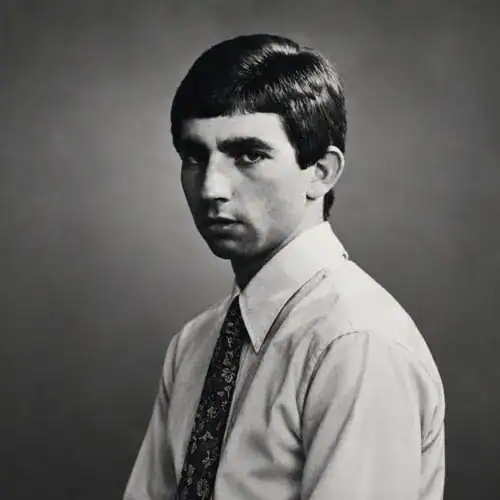
Phil Lancaster is a British drummer and the author of At the Birth of Bowie. He played with David Bowie in The Lower Third during 1965 and early 1966, when the young singer was developing his songwriting, recording career and professional identity.
Alongside guitarist Denis Taylor and bassist Graham Rivens, Lancaster formed part of the band heard on You’ve Got a Habit of Leaving and Can’t Help Thinking About Me. His engagement encompassed both the final months of Davie Jones and the arrival of David Bowie as a name on a record label.
The Lower Third‘s history belongs to the working world of mid-1960s beat groups: rehearsals, club engagements, recording opportunities, publicity photographs, uncertain income and attempts to attract a wider audience. Lancaster’s later accounts preserve the experience of a participant within that world, giving the early records a human setting beyond their place in a discography.
His contribution has two connected dimensions. He was a musician in the group, and he subsequently became an important witness to that period through interviews, documentary appearances and his memoir. His recollections describe how it felt to share the work before Bowie’s later fame changed the significance of those months.
- Name: Phil Lancaster
- Born: 1942, Walthamstow, London
- Instrument: Drums
- Bowie band: The Lower Third
- Period with Bowie: 1965–early 1966
- Band colleagues: Denis Taylor, guitar; Graham Rivens, bass; David Bowie, vocals and other instruments
- Original singles: You’ve Got a Habit of Leaving / Baby Loves That Way and Can’t Help Thinking About Me / And I Say to Myself
- Memoir: At the Birth of Bowie: Life with the Man Who Became a Legend, first published in 2019
- Documentary: Contributor to David Bowie: Finding Fame
Early life in Walthamstow
Lancaster was born in Walthamstow in 1942. His published author biography describes an early attraction to show business and the formation of groups with school friends. His musical experience developed through skiffle, jazz and early rock, before he became a fully professional musician at the age of twenty-one.
That background places his meeting with Bowie within an existing working life. He arrived with experience of playing in groups and performing for audiences. The Lower Third became a new professional engagement for a musician who had already chosen the drum kit as his means of earning a living.
The musical range in his biography also matters. Mid-century popular music offered overlapping routes into playing, with young musicians encountering different rhythms, repertoires and ways of organising a group. Lancaster’s later comments about enjoying many kinds of music are consistent with that varied starting point. His earliest experiences provided a foundation for the different material he would encounter alongside Bowie.
Professional experience before The Lower Third
Before joining The Lower Third, Lancaster had worked in France and Germany, including engagements on American military bases. He described this experience in his later interview for Off the Record: David Bowie. Returning to Britain, he needed another musical job and came into contact with the group through an advertisement.
Those engagements belong to the practical history of British musicians working abroad during the 1960s. A professional group needed material it could perform reliably and an ability to respond to the setting in which it was booked. The work involved sustaining a performance, travelling between engagements and living with the demands of earning money through music.
Lancaster’s account consequently begins with employment as much as artistic ambition. The opportunity with The Lower Third offered another band and another body of repertoire. Its later historical importance would emerge from the identity of the singer, but the initial decision belonged to the immediate circumstances of a drummer looking for work and a group seeking a suitable player.
The Lower Third‘s Kent origins
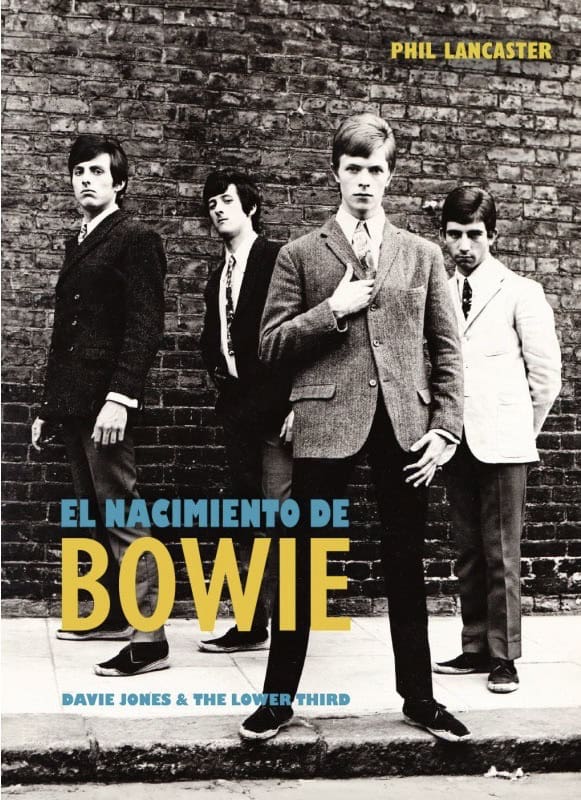
The Lower Third came from the Margate and Thanet area of Kent, subsequently working from London. Their history preceded Bowie’s involvement. The instrumentalists associated with the group included Denis Taylor on guitar, Graham Rivens on bass and original drummer Les Mighall. Lancaster later replaced Mighall.
A contemporary account identified the group’s local connections while noting that they had become London-based. Taylor’s Ramsgate background and the musicians’ school connections in Broadstairs placed the band within a wider Kent network. London offered access to publishers, producers and prominent venues, but the group’s beginnings lay outside the capital.
Bowie entered an existing band, and Lancaster subsequently joined that developing partnership. Their collaboration brought together a singer pursuing his own songs and musicians with an established collective identity. The Lower Third name continued through changes in personnel, connecting their Kent beginnings with a more visible place in London’s competitive music scene.
Bowie’s songwriting before the partnership
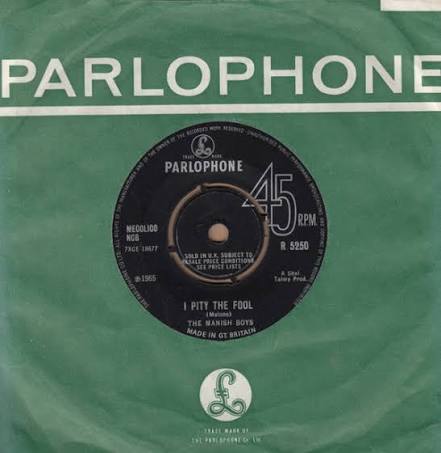
Bowie was already writing original material before Lancaster joined him. Take My Tip, released with The Manish Boys in March 1965, preceded the Lower Third singles. The later band therefore provided a further setting for his songwriting rather than its starting point.
This earlier release helps explain what the collaboration offered. Bowie brought an interest in composing alongside experience of performing rhythm and blues. The Lower Third gave him musicians with whom he could rehearse, record and present new material, while the songs gave the group something beyond a repertoire assembled entirely from other artists’ records.
The relationship developed within a wider British movement towards groups recording their own compositions. Yet the practical work remained specific: each song required an arrangement that suited the players and worked for an audience. Lancaster entered that process as a drummer, contributing to the performances through which Bowie’s writing reached the studio and stage.
Meeting Davie Jones at the Gioconda
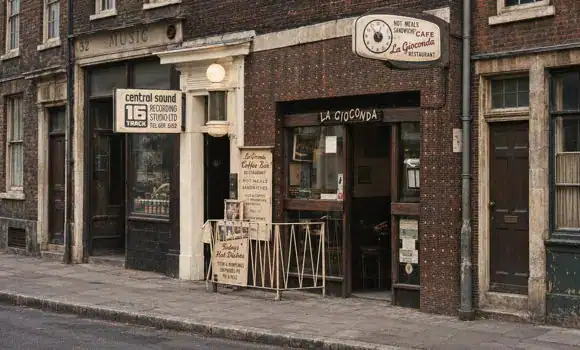
Lancaster met the singer then known as Davie Jones at the Gioconda coffee bar in Denmark Street. In his recollection, the meeting was a conversation rather than a formal musical audition. They discovered shared interests and a compatible sense of humour, and he was invited to join the band.
The recollection describes the relationship at its beginning. Lancaster encountered another young musician with opinions, enthusiasms and plans. Music was part of their connection, but so were books and conversation. Their immediate rapport established a social basis for the working relationship that followed.
The meeting took place during 1965, before the singer’s name change had become established. Lancaster’s memories connect the person he called Dave with the professional identity that followed. He knew Bowie through direct contact, shared journeys and rehearsals, at a time when neither musician could know how widely those encounters would eventually be discussed.
Phil Lancaster on their shared interests
“We talked about books – we loved Jack Kerouac – and had the same sense of humour.”
— Phil Lancaster, Radio Times, quoted by DavidBowie.com, January 2019.
Denmark Street and the business around the band
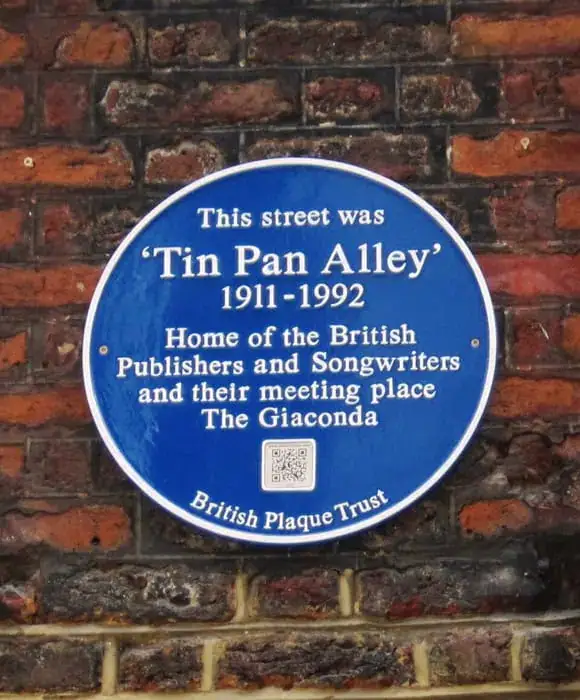
Denmark Street was a centre of Britain’s music publishing industry, widely known as Tin Pan Alley. Publishers, studios and other music businesses occupied a small area in which professional contact could happen informally as well as through an office appointment. The Gioconda belonged to that environment as a meeting place for musicians.
For a young singer trying to establish original songs, this geography had practical significance. A composition needed opportunities to be heard, discussed, recorded and placed before people who could help release it. Musicians also needed one another: a vacancy, recommendation or conversation could lead to another engagement.
Lancaster’s recruitment illustrates how these personal and business connections overlapped. An advertisement led to a café conversation, and that conversation led to work. The band would deal with record companies and management, but its membership was also shaped through the informal exchanges that helped musicians find their next job.
Drums, bass and the four-piece group
Within the regular line-up, Lancaster played drums, Rivens played bass and Taylor played guitar, with Bowie fronting the ensemble. The combination gave the group a compact instrumental foundation capable of supporting different approaches to a song.
Guitar, bass and drums can establish a strong rhythmic identity without filling every part of an arrangement. Space remains for the voice, for instrumental responses and for changes in emphasis between verses and choruses. In a small ensemble, the timing of an entrance or the handling of a transition can affect the whole performance.
Lancaster’s playing belongs within those relationships. His work helped the songs move through their contrasting sections alongside the other musicians. The recordings allow that ensemble to be heard across melodic passages, backing-vocal responses and more forceful instrumental episodes, revealing a band working with several kinds of material during a short period.
Mod culture, rhythm and presentation
The Lower Third‘s period with Bowie is commonly associated with mod culture. In mid-1960s Britain, that culture connected an interest in modern clothing with tastes encompassing rhythm and blues, soul and contemporary British groups. Appearance and music could communicate related forms of identity.
Mod audiences and musicians could value American R&B while also responding to new British songwriting and performance styles. The Lower Third‘s repertoire reflected that variety. Their recordings and audition material encompass different musical approaches, showing how broad the possibilities remained within a group remembered primarily through its mod image.
Presentation formed part of the band’s public existence. Clothes, photographs, record labels and stage appearances introduced the musicians to potential listeners. For an act seeking recognition, these encounters mattered: the group needed an identity that could be communicated quickly, whether through a picture in publicity material or a short performance before an unfamiliar audience.
Working with Shel Talmy
The Lower Third‘s first released single with Bowie was produced by Shel Talmy, whose work also encompassed The Kinks and The Who. Talmy’s association with Bowie had begun during the Manish Boys period and continued into recordings involving The Lower Third.
The Lower Third sessions included work at IBC Studios in London, with Glyn Johns involved as engineer and Nicky Hopkins contributing piano to the released 1965 single. The recording combined the regular band’s performance with the additional possibilities of a professional studio and an experienced session musician.
Lancaster’s later memories describe room for the musicians to work through their material. His account focuses particularly on Bowie’s interest in the resulting sound and his willingness to try an idea during a session. The singer’s attention extended beyond delivering a vocal: he also listened to what the instruments were doing and considered how their sound could be changed.
1965: You’ve Got a Habit of Leaving
Davy Jones – You’ve Got a Habit of Leaving
You’ve Got a Habit of Leaving was released on 20 August 1965, with Baby Loves That Way on the reverse. Issued by Parlophone, the original record was billed to Davy Jones, with The Lower Third supplying the band performance.
The song combines melodic writing with a forceful instrumental passage. The contrast between its sung sections and the activity around the guitar gives the arrangement much of its character. Lancaster’s drumming works within that changing texture alongside Taylor’s guitar, Rivens’s bass and Hopkins’s piano.
Recalling the session, Lancaster described Bowie using a bottle against Taylor’s guitar strings during the solo. His memory identifies a specific attempt to alter the sound available from the instruments already present. The episode captures the practical experimentation of a singer listening to the developing record and intervening in its instrumental character.
Phil Lancaster on Bowie’s approach in the studio
“He wasn’t dictatorial, he just wanted it right.”
— Phil Lancaster, interviewed for MOJO, 2026.
Baby Loves That Way: the other side of the single
Davy Jones – Baby Loves That Way
Baby Loves That Way gives the same 1965 single a different musical emphasis. Its repeated backing-vocal phrase is prominent, while Taylor’s guitar provides a contrasting instrumental voice. Both sides were Bowie compositions, allowing the release to present two examples of his writing within one commercial record.
The B-side’s repetitive vocal construction gives the ensemble another task. The accompaniment needs to sustain the recurring phrase while allowing the lead vocal and guitar to retain their character. Heard beside the A-side, it demonstrates how the group could change its balance within the limited space of a single.
Together, the two performances provide a fuller impression of the Parlophone period than either track alone. One side foregrounds the contrast between melody and instrumental force; the other builds much of its identity through a persistent vocal response. Lancaster’s playing forms part of both approaches, contributing to the band’s first released work with the singer.
The Who and the sound of contemporary competition
The Who formed part of the immediate musical environment in which The Lower Third worked. Lancaster later recalled an encounter with Pete Townshend around a performance in Bournemouth, when Townshend recognised something of his own approach in the group’s material.
Young groups could hear one another, share bills and respond quickly to a striking record or stage act. A forceful instrumental passage or a particular presentation of guitar, bass and drums could become an idea another band wanted to explore. Admiration and competition were close neighbours within that performance circuit.
The comparison helps situate You’ve Got a Habit of Leaving within 1965. Its sound reflects a period in which original songwriting developed alongside recognisable contemporary models. The Lower Third were participating in that exchange, hearing the records and performances around them while trying to secure attention for their own music.
Club engagements and a travelling working band
The Lower Third‘s activity extended beyond recording. Lancaster’s accounts describe a travelling group, with engagements and rehearsal forming part of a shared working life. Surviving photographs also document the band performing at London’s Marquee Club, placing the musicians in one of the capital’s important contemporary venues.
His recollections include journeys in a converted ambulance used by the band. Equipment and musicians had to reach each engagement, and travel created long periods together away from the stage. Those hours offered opportunities for conversation and humour alongside the practical difficulties of moving a group between jobs.
An audience experienced the band through the duration of a set. The players experienced a much longer working day, extending through preparation, journeys and waiting. Lancaster’s descriptions make that surrounding life visible, showing how the public performances depended on routines that rarely appear in a discography or a publicity photograph.
Publicity photographs and the group’s image
Photographs of Bowie with The Lower Third in Manchester Square in 1965 preserve their appearance around the Parlophone release. Lancaster later recalled clothing obtained in Carnaby Street, including distinctive shoes. The images capture the group’s contemporary presentation during its pursuit of a wider audience.
Publicity photography gave an act a visual form that could travel beyond a particular performance. Someone might encounter the musicians in a photograph before hearing their record or seeing them on stage. Clothing and the arrangement of the people within the picture could communicate a shared identity immediately.
These images retain details that the records cannot supply: posture, expression, dress and the physical relationship between the members. They also keep Lancaster, Taylor and Rivens visible within the story. The band existed as a group of people sharing a professional moment, and the photographs preserve that collective presence alongside the singer.
Autumn 1965: Davie Jones becomes David Bowie
During autumn 1965, the singer adopted the name David Bowie. Lancaster remembered the announcement as a relatively ordinary band conversation. He also recalled the preference for David rather than Dave or Davy within the new professional identity.
The change is visible across the group’s releases. The Parlophone single appeared under Davy Jones; the next single carried the name David Bowie. Publicity prepared at the beginning of 1966 explained the adoption of the new name to journalists and listeners who might still know the earlier billing.
For Lancaster, this happened within an established relationship. The singer remained someone he rehearsed with and accompanied to engagements. The announcement acquired its much larger historical significance afterwards. At the time, it was another decision within the band’s continuing efforts to find a successful route through the music business.
November 1965: the BBC audition
The Lower Third recorded an audition for the BBC on 2 November 1965. The submitted material included Out of Sight, Baby That’s a Promise and Chim Chim Cher-ee. The selection brought together R&B, an original composition and a song from Mary Poppins.
That combination reveals a breadth of repertoire beyond the two sides of the Parlophone single. An audition allowed the group to present different aspects of its act, demonstrating how the singer and musicians approached contrasting material. It was an attempt to persuade another part of the music establishment to give them an opportunity.
The audition did not secure the desired approval. Its surviving assessment was dismissive of the presentation and the singer. The episode later featured in David Bowie: Finding Fame, including Lancaster’s response to the judgement. The recording itself was an audition submission, rather than a session broadcast to a BBC audience.
The London Boys and the developing songwriter
Bowie’s writing during the Lower Third period included an early form of The London Boys. The song was tried with the band and recorded for consideration at Pye in late 1965. Its account of young people and metropolitan nightlife introduced a more specific social setting into his work.
The subject sits naturally beside the band’s own movement towards London, although the song should be understood through its characters rather than treated as a literal account of their experiences. Its perspective shows Bowie developing a setting and a predicament, using songwriting to observe a social world as well as express an emotion.
The familiar version released on Deram in 1966 was a later recording. The earlier attempt belongs to Lancaster’s period with the singer and demonstrates the range of writing being explored within the group. R&B, melodic pop and more observational material all had a place among the possibilities Bowie was pursuing.
Tony Hatch and the move to Pye
The next commercial recording phase brought Bowie and The Lower Third to Pye and producer Tony Hatch. The association resulted in Can’t Help Thinking About Me and its B-side, And I Say to Myself, creating another opportunity after the Parlophone release.
Hatch’s involvement introduced a new production relationship. The group needed performances that would work within the length and expectations of a single, presenting the singer to listeners who might have no knowledge of the club act. Releasing another record offered renewed possibilities for publicity and promotion.
The billing also reveals the balance between the band and the individual performer. Commercial copies credited Bowie with The Lower Third, while promotional copies placed the emphasis on Bowie alone. These different labels accompanied the same music at a time when the singer’s individual identity was becoming increasingly prominent.
January 1966: Can’t Help Thinking About Me
David Bowie with The Lower Third – Can’t Help Thinking About Me
Can’t Help Thinking About Me was released in Britain on 14 January 1966, as Pye 7N 17020. The commercial label credited David Bowie with The Lower Third. Lancaster played drums alongside Taylor and Rivens.
The song places a young narrator at the point of leaving familiar surroundings, carrying the emotional consequences of events that are only partly explained. It gives the listener a situation and a voice, while leaving space around the precise circumstances that have brought the character to this moment.
The single introduced the Bowie name on a commercial release while retaining the band’s credit. In January 1966, its significance lay in the immediate prospect of reaching a larger audience. The recording presented the group’s current work, with Lancaster contributing to the arrangement that listeners first encountered.
And I Say to Myself: a second side of the Pye sound
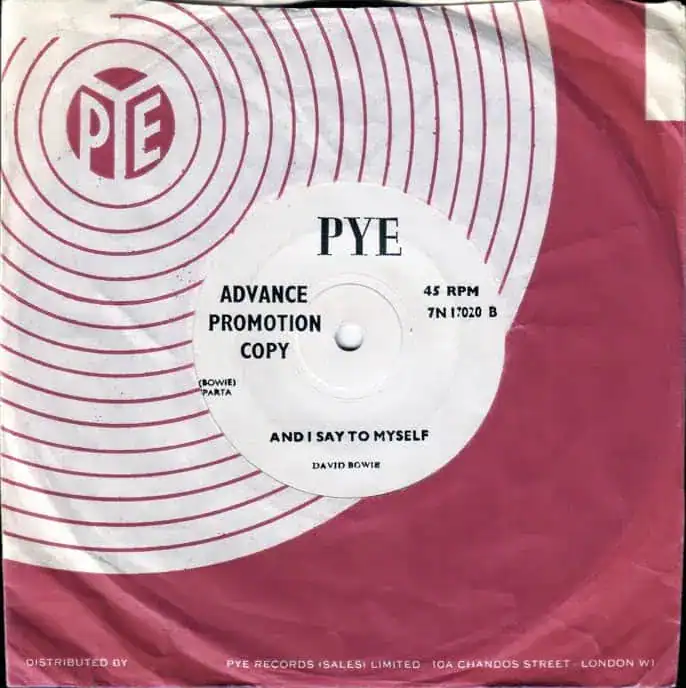
And I Say to Myself accompanied Can’t Help Thinking About Me on the January 1966 single. Another Bowie composition, it drew on the vocabulary of soul and pop singing, extending the musical range of the band’s released material.
The two sides of the Pye record offer different ways of organising a song around the voice. Melody, phrasing and recurring responses influence the accompaniment, giving the musicians a different relationship with the singer from the more turbulent instrumental passage on the earlier Parlophone A-side.
Across the two singles, four original songs reached the public through two producers and two labels. That is a compact recorded legacy, but it contains considerable variety. Listening to the B-sides alongside the A-sides brings more of the group’s character into view and makes the changing emphasis of Bowie’s writing easier to hear.
The Gaiety Bar launch on 6 January 1966
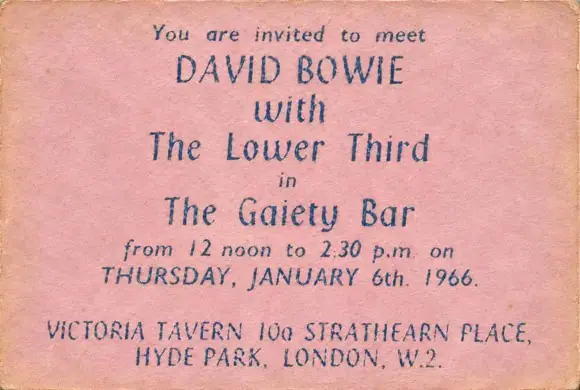
A surviving invitation documents an event at the Gaiety Bar, Victoria Tavern, on 6 January 1966, promoting David Bowie with The Lower Third. The date preceded the commercial release of Can’t Help Thinking About Me, placing the event within the preparations for the new record.
The invitation later appeared with publicity photographs in a collection with Lancaster provenance. It preserves the practical details of introducing the act: a venue, a date, printed material and a name under which the musicians were being presented. The group remained visible in that announcement.
Such an object restores the moment before the outcome was known. The single was something to launch, discuss and promote, with a future still open to expectation. For the musicians, the event belonged to their current professional activity, one more effort to turn recording work into a sustainable public career.
Late January 1966: the end of the collaboration
Bowie’s collaboration with The Lower Third ended in late January 1966, shortly after the Pye single appeared. Disagreement over payment and the relationship with manager Ralph Horton formed part of the separation. Lancaster, Taylor and Rivens ceased working as Bowie’s band.
The circumstances were grounded in the needs of working musicians. Travel, time and performance had to be supported by income and workable arrangements. A recording opportunity could raise hopes without resolving the immediate financial demands of keeping a group together.
The single’s failure to provide a major commercial breakthrough belongs to the wider picture, but the separation also involved business relationships and differing expectations. Lancaster later remembered the creativity and humour of the period alongside its difficulties. The enjoyable parts of their friendship and the reasons for ending the engagement could remain present in the same account.
The Buzz and a different band organisation
After The Lower Third, Bowie assembled The Buzz, a new group with different personnel. He continued promoting his Pye material, carrying songs from the preceding partnership into another stage of his performing career.
An example is his appearance on Ready Steady Go! on 4 March 1966, promoting Can’t Help Thinking About Me with The Buzz. The song connected the television appearance with the January single, while the musicians belonged to the new group.
This succession illustrates how quickly Bowie’s professional circumstances could change in the mid-1960s. A release, a new band and another promotional opportunity might follow within weeks. The Lower Third had helped bring his first Bowie-named single into existence; the task of promoting his career continued after their partnership ended.
After Bowie: The In Crowd and continued musical work
Lancaster later recalled joining The In Crowd after his Lower Third engagement. He identified Steve Howe and Keith West among the musicians involved. His career in groups continued as Bowie moved towards a different line-up.
He also described Bowie’s example as encouragement to attempt songwriting. Seeing another musician develop original material suggested a creative possibility he wanted to explore himself. He remembered playing a tune on the piano and receiving an encouraging response from Bowie, even though he did not know of the idea subsequently being used.
That recollection gives the partnership a significance within Lancaster’s own life. His contribution to the band was as a drummer, but the experience also encouraged an interest in composition. His later descriptions of writing songs and playing piano show that music remained a creative activity beyond the specific job he had held in The Lower Third.
Phil Lancaster on Bowie’s encouragement
“Joining David Bowie broadened my musical aspirations.”
— Phil Lancaster, in his published introduction to The Phil Lancaster Show on Channel Radio.
1991: the early recordings become an archive

The compilation Early On (1964–1966), released by Rhino in 1991, helped bring Bowie’s earliest recordings together for a later audience. Material originally encountered through separate singles could be heard within a programme devoted to the beginning of his career.
The collection offered a broader listening experience than an isolated early record. Songs from different engagements appeared beside one another, making it possible to follow changes in writing, vocal presentation and instrumental setting across several formative years.
For The Lower Third, this archival context created another route to listeners who had discovered Bowie through much later albums. Their performances could be approached as part of a developing body of work, rather than merely as scarce singles remembered by collectors. Lancaster’s playing became accessible within that wider account of the early career.
1999: Bowie returns to Can’t Help Thinking About Me
David Bowie – Can’t Help Thinking About Me, performed for VH1 Storytellers in 1999
Bowie revived Can’t Help Thinking About Me for VH1 Storytellers in 1999 and retained it during the short promotional touring period associated with hours…. A composition from the Lower Third period returned to his current repertoire more than three decades after its original release.
A further performance was recorded at Maida Vale on 25 October 1999 for the Mark Radcliffe BBC Radio 1 Show. The song reached another audience through a contemporary radio appearance, performed by the musicians then accompanying him.
Its return offered a different perspective on the early writing. An older singer could revisit the young narrator with a changed voice and another ensemble. The composition had survived the circumstances of the original single, retaining enough interest for Bowie to bring it into a programme shaped around his work at the end of the century.
2000–2002: the songs revisited for Toy
During the Toy sessions in 2000, Bowie returned to early compositions including You’ve Got a Habit of Leaving, Baby Loves That Way and Can’t Help Thinking About Me. The project created new recordings with the musicians then working with him.
Versions of the first two songs appeared as B-sides in 2002, before the eventual release of the wider Toy project. The compositions acquired another instrumental setting and another place in Bowie’s release history, extending their life beyond the original 1965 record.
Lancaster’s connection with these songs rests on their earlier recordings; he did not play drums on the Toy sessions. Heard together, the versions reveal how differently the same writing could be presented across decades. The original Lower Third performances preserve the youthful band context, while the later recordings reflect Bowie’s renewed interest in material from his beginnings.
Surviving objects and Lancaster’s personal archive
Material with Lancaster provenance has preserved parts of The Lower Third‘s public history. Alongside the Gaiety Bar invitation, an early press release explains the adoption of the Bowie name and promotes the Pye single. Such objects retain the language and presentation used around the band at the time.
Their physical survival is significant. A short-lived group might leave only a few commercially released performances, yet photographs and printed publicity can preserve other aspects of its activity. They show how the act was announced, what journalists were told and which members appeared together in its public image.
Lancaster’s association with these objects adds to his role in the archive. He retained connections with material from an engagement that initially lasted only months. When that period became a subject of sustained historical interest, the surviving items supplied details that could otherwise have been lost.
2019: At the Birth of Bowie
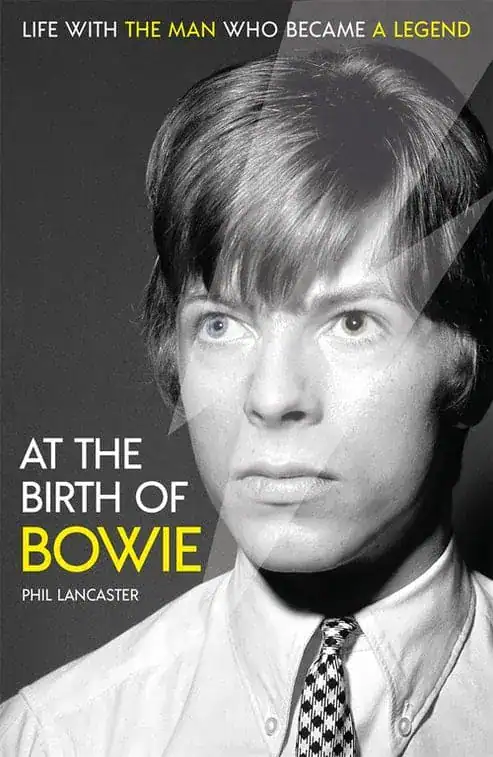
Lancaster’s memoir, At the Birth of Bowie: Life with the Man Who Became a Legend, was first published in January 2019. It brought his experience of The Lower Third into an extended account, placing the recording and performing history alongside memories of friendship, travel and the circumstances of the group.
Its perspective is that of a participant looking back. Lancaster knew the young musician before the later career supplied familiar landmarks such as Ziggy Stardust and the Berlin albums. His subject is the person encountered during their working relationship, with its mixture of ambition, humour, experimentation and uncertainty.
The book gives space to experiences that rarely fit into a brief career chronology. A journey, a conversation or an encouraging response can matter greatly to the person involved, even when it leaves no commercial record. Lancaster’s account restores those proportions, showing how friendship and daily work accompanied the public milestones.
2019: David Bowie: Finding Fame
David Bowie: Finding Fame (2019), directed by Francis Whately, featuring recollections from Phil Lancaster and other early associates
Lancaster appeared in Francis Whately’s documentary David Bowie: Finding Fame, released in 2019. The film examined Bowie’s development before his major breakthrough, drawing on people who knew and worked with him during the early stages of his career.
The Lower Third material included the story of the BBC audition and Lancaster’s encounter with its assessment. His response connected a surviving document with someone who had taken part in the attempt to secure an opportunity for the group. The episode brought an institutional judgement back into contact with personal experience.
The film also allowed viewers to hear Lancaster tell the story directly. Voice, expression and timing give an interview a character different from a printed recollection. His presence placed a working musician from the period within a larger account of Bowie’s persistence, experiments and repeated attempts to find an audience.
2020–2021: discussing the early years with new audiences
Further public discussion followed the memoir. The Dublin Bowie Festival in January 2020 advertised a question-and-answer event with Lancaster at The Sugar Club, alongside a performance by The London Boys devoted to Bowie’s 1960s repertoire. Recollection and music shared the programme.
In January 2021, Lancaster spoke with Jordan Runtagh for Off the Record: David Bowie. The extended conversation returned to his recruitment, the band’s working life and the relationships between its members, allowing subjects to develop beyond the length of a short interview.
Lancaster has acknowledged that listeners approach the early material with different interests. Some know the later albums first and gradually explore the recordings that preceded them. His appearances offer those audiences an encounter with someone who participated in the original performances and remembers the people behind them.
Phil Lancaster on the audience for early Bowie
“Many of the songs from that period are valued among those particular fans.”
— Phil Lancaster, interviewed by Richard Purden for The Irish News, 3 January 2020.
2023: sharing a wider musical taste on radio
A Channel Radio feature published in April 2023 introduced Lancaster’s radio work and included his own account of his musical interests. He described a broad taste encompassing classical music, pop, rock and country, with melody and an appropriate rhythmic character among the qualities that attracted him.
The feature connected his programme with that of Bob Solly, who had worked with Bowie in The Manish Boys. Two musicians from separate stages of Bowie’s early career had programmes within the same broadcasting organisation, bringing their own listening histories and experiences to the station.
Lancaster’s introduction also described continuing to write songs and making them available online. Radio gave him another means of sharing his enthusiasm, through choosing and introducing music. His interests reached across genres and periods, showing how much of his musical life extended beyond the collaboration for which Bowie listeners knew him.
Phil Lancaster remembering The Lower Third
“So my time with David and The Lower Third was very creative and a lot of fun.”
— Phil Lancaster, in his published account for Channel Radio.
2026: The Shel Talmy Recordings
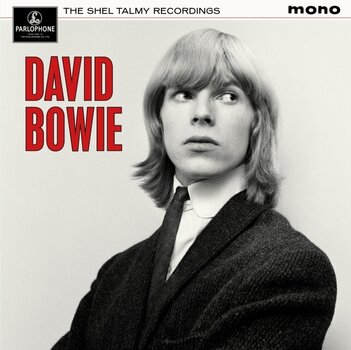
The Shel Talmy Recordings, released on 18 September 2026, brought renewed attention to Bowie’s 1965 studio work. The collection gathered original releases, alternative versions and previously unreleased material, presenting a broader view of the recordings made during the Talmy association.
Its Lower Third material includes more than one line-up. The track credits distinguish Phil Lancaster from earlier drummer Les Mighall. Recordings credited to Lancaster include You’ve Got a Habit of Leaving, Baby Loves That Way, I’ll Follow You, Glad I’ve Got Nobody and I Want Your Love, alongside alternative versions of the original single sides.
The release expanded the available record of Lancaster’s playing beyond the familiar singles. Listeners could encounter additional material from the sessions and hear the group across a wider selection of songs. More than sixty years after the performances, the studio archive continued to add detail to this brief partnership.
Shel Talmy on the young David Bowie
“I thought he absolutely was going to make it.”
— Shel Talmy, 2017, quoted in the official announcement of The Shel Talmy Recordings.
Legacy
Phil Lancaster‘s place in Bowie’s history begins with his drumming in The Lower Third. He helped perform the material through which the singer moved from his final Davie Jones releases to the first single carrying the Bowie name. Those recordings preserve the work of a small ensemble pursuing recognition in a crowded musical landscape.
His subsequent contribution has been to keep the experience of that ensemble accessible. Through his memoir, interviews and documentary appearances, he has described Bowie as a colleague and companion: someone with whom he discussed books, travelled to engagements, experimented in the studio and shared the uncertainty of professional music.
The enduring value of his account lies in that closeness to the working life. The Lower Third‘s story contains friendship, creativity, ambition and financial difficulty, all within a few eventful months. Lancaster preserves the human dimensions of that period alongside the musical contribution still audible on the records.
Official Website & Further Information
Further information about Phil Lancaster‘s work and recollections is available through his Channel Radio profile and his memoir At the Birth of Bowie: Life with the Man Who Became a Legend. The radio feature includes his own introduction to his programme, musical interests and experiences with The Lower Third.
The memoir, published by John Blake, provides his extended account of the period. David Bowie: Finding Fame and his published interviews offer further opportunities to hear Lancaster discuss the collaboration in his own words. Together, these resources explore both his musical contribution and his perspective on the young Bowie.
Article Origin
This article has been researched and written exclusively for DavidBowieWorld.com as part of its David Bowie Collaborations & Creative Circle Archive. It brings together recording information, contemporary documents and published first-person recollections concerning Phil Lancaster and The Lower Third.
The profile follows Lancaster’s collaboration with Bowie and the later preservation of that history through records, personal material, interviews and his memoir. Quotations are attributed to their published sources. Further verified information and documentary material can be incorporated as the archive develops.
© DavidBowieWorld.com — David Bowie Collaborations & Creative Circle Archive.
David Bowie & The Lower Third Bootlegs
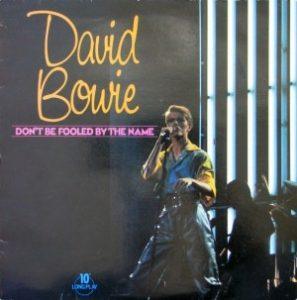
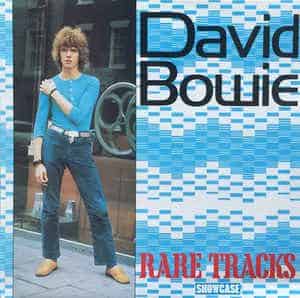
David Bowie & And The Lower Third Chronology
🏛️ La Gioconda / Soho Rehearsal Rooms
🤝 Event: Audition and First Meeting
🗒️ Notes: David Jones meets and auditions with The Lower Third. He decides to join them immediately, seeking a tougher Mod-oriented sound.
🏛️ Working Men’s Club (Isle of Sheppey)
🎤 Artist: Davie Jones & The Lower Third
🗒️ Notes: Debut performance of The Lower Third. They replaced the originally booked Manish Boys.
🏛️ Management Office
🤝 Event: Departure from Leslie Conn
🗒️ Notes: David officially terminates his association with manager Leslie Conn. This move paves the way for Ralph Horton to take over his affairs.
🏛️ Unknown Location
📸 Event: First official photo session
🎤 Artist: The Lower Third
🗒️ Notes: The band takes their first professional publicity photos to promote the new line-up and their Mod image.
🏛️ Gateway Club (Seymour Street)
🎤 Artist: Davie Jones & The Lower Third
🗒️ Notes: One of the first performances of the new line-up in the capital. The band was rapidly building their reputation in the London Mod scene.
🏛️ Bromel Club (Bromley Court Hotel)
🎤 Artist: Davie Jones & The Lower Third
🗒️ Notes: Another performance where the new band replaced the originally booked Manish Boys. This gig in Bromley solidified the new line-up’s reputation.
🏛️ La Gioconda Coffee Bar
🎤 Artist: Davie Jones & The Lower Third
🗒️ Notes: Intensive rehearsal session following their successful show at the Bromel Club. The band continues to refine their R&B and Mod repertoire.
🏛️ Unknown Venue
🎤 Artist: Davie Jones & The Lower Third
🗒️ Notes: Transitional booking during the switch from The Manish Boys to The Lower Third.
🏛️ Shel Talmy’s Office
🎤 Artist: Davie Jones
🗒️ Notes: The formal end of The Manish Boys. Davie meets the band members to officially announce his departure. From this point on, he commits fully to his new group, The Lower Third.
🏛️ Witch Doctor
🎤 Artist: Davie Jones & The Lower Third
🗒️ Notes: One of the first Saturday night performances after the formal split from The Manish Boys.
🏛️ The Scene
🎤 Artist: Davie Jones & The Lower Third
🗒️ Notes: A technical rehearsal session to test the band’s new equipment in a club environment.
🏛️ Bromley Technical High School
🎤 Artist: Davie Jones & The Lower Third
🗒️ Notes: David returns to his former school for the ‘Old Boys’ Association Dance’.
🏛️ Grand Hotel
🎤 Artist: Davie Jones & The Lower Third
🗒️ Notes: First performance with new drummer Phil Lancaster. The band used the hotel (owned by Phil’s father) for intensive rehearsals.
🏛️ California Ballroom
🎤 Artist: Davie Jones & The Lower Third
🗒️ Notes: Often mislisted as The Manish Boys.
🏛️ IBC Studios (Portland Place)
🎤 Artist: Davie Jones & The Lower Third
🎧 Recording Session: Demos for Shel Talmy
🗒️ Notes: The band records early versions of ‘You’ve Got A Habit Of Leaving’. These sessions were crucial in securing their future deal with Pye Records.
🏛️ Starlight Rooms (Montpelier Hotel)
🎤 Artist: Davie Jones & The Lower Third
🗒️ Notes:
🏛️ Marquee Club
🎤 Artist: Davie Jones & The Lower Third
🗒️ Notes: Supporting The Who. A major milestone in gaining recognition within the London Mod scene.
🏛️ Town Hall
🎤 Artist: Davie Jones & The Lower Third
🗒️ Notes: Second night supporting The Who.
🏛️ Town Hall
🎤 Artist: Davie Jones & The Lower Third
🗒️ Notes: Third consecutive night supporting The Who. Due to the success of the previous evening, the band was retained for an additional performance.
🏛️ Pye Records Studios (ATV House)
🤝 Event: Audition for Pye Records
🗒️ Notes: Following the buzz from the Marquee shows, the band auditions for the Pye label. Their performance impresses the staff, securing the follow-up meeting with Tony Hatch in July.
🏛️ Starlight Rooms (Montpelier Hotel)
🎤 Artist: Davie Jones & The Lower Third
🏛️ Pye Records Studios (ATV House)
🤝 Event: Meeting with producer Tony Hatch.
🗒️ Notes: A pivotal meeting at Pye’s Marble Arch headquarters. Hatch was impressed by David’s potential, eventually leading to the recording of ‘You’ve Got A Habit Of Leaving’.
🏛️ London Studio (Unknown)
🎤 Artist: The Lower Third
🗒️ Notes: David Bowie signs management deal with Ralph Horton
🏛️ Unknown Studio
📸 Event: Professional Publicity Photoshoot
🎤 Artist: Davie Jones & The Lower Third
🗒️ Notes: A crucial session to capture the band’s sharpened Mod image following their deal with Tony Hatch and Pye Records.
🏛️ IBC Studios, Portland Place
🎤 Artist: Davie Jones & The Lower Third
🎧 Recording Session: ‘You’ve Got A Habit Of Leaving’ & ‘Baby Loves That Way’
🗒️ Notes: Produced by Shel Talmy.
🏛️ Marquee Club
🎤 Artist: Davie Jones & The Lower Third
🗒️ Notes: Performance at the legendary Marquee Club.
🏛️ Starlight Rooms (Montpelier Hotel)
🎤 Artist: Davie Jones & The Lower Third
🏛️ Winter Gardens
🎤 Artist: Davie Jones & The Lower Third
🗒️ Notes:
🏛️ Flamingo Jazz Club
🎤 Artist: Davie Jones & The Lower Third
🗒️ Notes: An “All-Nighter” performance at one of Soho’s most famous jazz and R&B venues.
🏛️ Marquee Club
🎤 Artist: Davie Jones & The Lower Third
🗒️ Notes: Supporting The Boz. Verified via the [Marquee Club Archives](https://www.themarqueeclub.net).
🏛️ Starlight Rooms (Montpelier Hotel)
🎤 Artist: Davie Jones & The Lower Third
🏛️ Marquee Club
🎤 Artist: Davie Jones & The Lower Third
🗒️ Notes: Supporting The Boz (featuring Boz Burrell). Verified via the [Marquee Club Archives](https://www.themarqueeclub.net).
🏛️ Unknown Venue
🤝 Event: Press Preview for ‘You’ve Got A Habit Of Leaving’
🗒️ Notes: A promotional meeting with music journalists a day before the single’s official release.
💿 Release: ‘You’ve Got A Habit Of Leaving’
🎤 Artist: Davie Jones & The Lower Third
🗒️ Notes: Official release of the single on Pye Records. This was the final release under the name “Davie Jones” before the transition to “David Bowie”.
🏛️ Pavilion Ballroom
🎤 Artist: Davie Jones & The Lower Third
🗒️ Notes: Live performance on the same day as the single release.
🏛️ Marquee Club
🎤 Artist: Davie Jones & The Lower Third
🗒️ Notes: First Marquee performance following the release of ‘You’ve Got A Habit Of Leaving’. Supporting The Boz.
🏛️ 100 Club
🎤 Artist: Davie Jones & The Lower Third
🗒️ Notes: The final London performance under the name ‘Davie Jones‘.
🏛️ Marquee Club
🎤 Artist: David Bowie & The Lower Third
🗒️ Notes: Historic Milestone: Start of the band’s Thursday night residency. Support for The T-Bones.
🏛️ Pavilion Ballroom
🎤 Artist: Davie Jones & The Lower Third
🗒️ Notes: The first gig played after the official name change announcement on the 16th, though still billed under the old name.
🏛️ Witch Doctor
🎤 Artist: Davie Jones & The Lower Third
🗒️ Notes: Last ever show billed as ‘Davie Jones‘ (posters were printed before the name change announcement).
🏛️ 100 Club
🎤 Artist: David Bowie & The Lower Third
🗒️ Notes: Early London performance under the new name David Bowie.
🏛️ Marquee Club
🎤 Artist: David Bowie & The Lower Third
🗒️ Notes: Supporting The Steampacket (featuring Long John Baldry, Rod Stewart, and Julie Driscoll).
🏛️ Marquee Club
🎤 Artist: David Bowie & The Lower Third
🗒️ Notes: Supporting The Boz.
🏛️ Marquee Club
🎤 Artist: David Bowie & The Lower Third
🗒️ Notes: Thursday night residency session. Supporting The T-Bones.
🏛️ Dreamland Amusement Park – Ballroom
🎤 Artist: David Bowie & The Lower Third
🗒️ Notes: A “homecoming” gig for the band members, who were originally from the Margate area.
🏛️ La Gioconda Coffee Bar
🎤 Artist: David Bowie & The Lower Third
🗒️ Notes: Intensive pre-production rehearsal for the upcoming Pye recording sessions. The band finalizes the arrangements for ‘Can’t Help Thinking About Me’.
🏛️ Marquee Club
🎤 Artist: David Bowie & The Lower Third
🗒️ Notes: Thursday night residency session. Supporting The Steampacket.
🏛️ Gladstone Hall
🎤 Artist: David Bowie & The Lower Third
🗒️ Notes: Live performance during their regional autumn tour.
🏛️ Marquee Club
🎤 Artist: David Bowie & The Lower Third
🗒️ Notes: Thursday night residency session. Supporting The Boz.
🏛️ Marquee Club
🎤 Artist: David Bowie & The Lower Third
🗒️ Notes: Final Thursday residency session of the month. Supporting The T-Bones.
🏛️ BBC Aeolian Hall
🎤 Artist: David Bowie & The Lower Third
🗒️ Notes: BBC Radio Audition: David Bowie & The Lower Third audition for the BBC’s Talent Selection Group but are unsuccessful.
🏛️ Town Hall
🎤 Artist: David Bowie & The Lower Third
🗒️ Notes: Live performance.
🏛️ Marquee Club
🎤 Artist: David Bowie & The Lower Third
🗒️ Notes: Supporting The Steampacket (featuring Rod Stewart and Long John Baldry). Part of their regular Thursday night residency sessions.
🏛️ Marble Arch Studios
🎤 Artist: David Bowie & The Lower Third
🎧 Recording Session: The London Boys
🗒️ Notes: An early version of The London Boys was recorded as a potential Pye single. The recording was rejected for release and is now considered lost.
🏛️ Marquee Club
🎤 Artist: David Bowie & The Lower Third
🗒️ Notes: Supporting The T-Bones.
🏛️ Marquee Club
🎤 Artist: David Bowie & The Lower Third
🗒️ Notes: Supporting The Steampacket (featuring Rod Stewart).
🏛️ Pye Studios, Marble Arch
🎤 Artist: David Bowie & The Lower Third
🎧 Recording Session: Can’t Help Thinking About Me & And I Say To Myself
🗒️ Notes: Produced by Tony Hatch. Hatch also played piano on the recording.
🏛️ Marquee Club
🎤 Artist: David Bowie & The Lower Third
🗒️ Notes: Supporting The Boz.
🏛️ Marquee Club
🎤 Artist: David Bowie & The Lower Third
🗒️ Notes: Supporting The T-Bones.
🏛️ The Scene
🎤 Artist: David Bowie & The Lower Third
🗒️ Notes: A legendary Christmas Eve Mod performance at David’s favorite Soho club.
🏛️ Marquee Club
🎤 Artist: David Bowie & The Lower Third
🗒️ Notes: Final Marquee performance of the year, supporting The Steampacket.
🏛️ Witch Doctor
🎤 Artist: David Bowie & The Lower Third
🗒️ Notes: New Year’s Eve performance. The band ends the year at their regular seaside residency.
1966
🏛️ Gaiety Bar, Victoria Tavern
🎤 Artist: David Bowie & The Lower Third
🗒️ Notes: Record Launch
🏛️ Marquee Club
🎤 Artist: David Bowie & The Lower Third
🗒️ Notes: Supporting The Boz.
🏛️ BBC Playhouse Theatre
🎤 Artist: David Bowie & The Lower Third
📻 Event: Radio Session for ‘Saturday Club’
🗒️ Notes: First national radio session. They recorded ‘Can’t Help Thinking About Me’. The show aired on January 15.
🏛️ Marquee Club
🎤 Artist: David Bowie & The Lower Third
🗒️ Notes: Supporting The T-Bones. This performance is notable as the first time he is billed as ‘David Bowie’ at the Marquee.
💿 Release: “Can’t Help Thinking About Me” / “And I Say To Myself”
🎤 Artist: David Bowie with The Lower Third
🗒️ Notes: First single released under the name David Bowie. Released on Pye Records (7N 17020).
🏛️ Marquee Club
🎤 Artist: David Bowie & The Lower Third
🗒️ Notes: Supporting The Steampacket.
🏛️ Rediffusion TV Studios
📺 TV Appearance: Ready, Steady, Go!
🗒️ Notes: TV appearance. Bowie is interviewed; the single is featured on the programme.
🏛️ Marquee Club
🎤 Artist: David Bowie & The Lower Third
🗒️ Notes: Supporting The Boz.
🏛️ Marquee Club, Soho (Afternoon show)
🎤 Artist: David Bowie & The Lower Third
🗒️ Notes: Believed to be one of the final performances of the original Lower Third lineup.
🏛️ Bromel Club (Bromley Court Hotel)
🎤 Artist: David Bowie & The Lower Third
🗒️ Notes: Cancelled. The band refused to play after a dispute with manager Ralph Horton.
