
Matt Chamberlain – Drummer on David Bowie’s Heathen
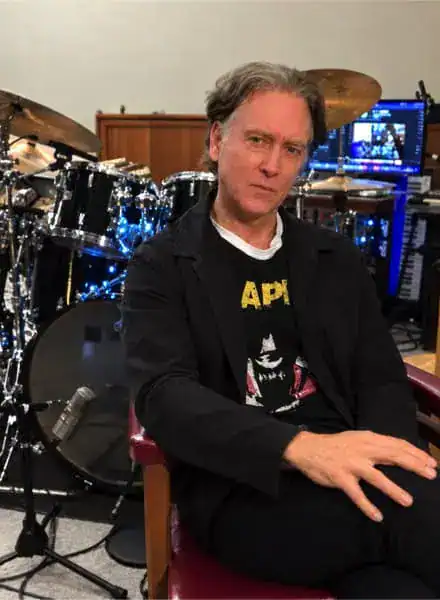
Matt Chamberlain is an American drummer and percussionist who worked with David Bowie during the recording of Heathen. Released in 2002, the album reunited Bowie with producer Tony Visconti.
Chamberlain contributed drums, percussion and drum-loop programming to the album. His Bowie recordings also extend into the Reality period: his drumming appears on “Bring Me the Disco King” and on “Fly”, a bonus track associated with the 2003 album.
Visconti’s account of the Heathen sessions gives a detailed picture of the collaboration. Bowie, Chamberlain and Visconti built basic recordings together before further instruments and sounds were added.
- Name: Matt Chamberlain
- Born: 17 April 1967
- Birthplace: San Pedro, California, United States
- Role: Drummer and percussionist
- David Bowie album: Heathen (2002)
- Heathen credits: Drums, percussion and drum-loop programming
- Further Bowie recordings: “Bring Me the Disco King” on Reality (2003) and the Reality bonus track “Fly”
- Producer of the Bowie recordings discussed here: Tony Visconti
- Recording location discussed here: Allaire Studios, New York State
Before working with Bowie
Chamberlain had worked in several musical settings before recording with Bowie. He played with Edie Brickell & New Bohemians, briefly performed with Pearl Jam and joined the Saturday Night Live house band. Alongside live work, he developed a wide-ranging career as a recording drummer.
In interviews, Chamberlain has spoken about the different demands of those jobs. Live television required him to read and perform music under immediate pressure. Studio work offered opportunities to respond to an artist’s song and help find an appropriate rhythmic approach. By the time he recorded with Bowie, he had experience in both settings.
Joining the Heathen sessions
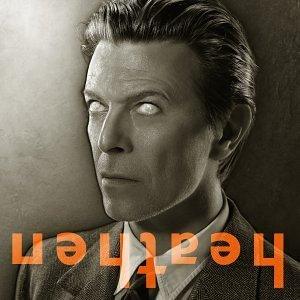
Bowie and Visconti recorded much of Heathen at Allaire Studios in New York State. Visconti described the basic sessions as a close collaboration between Bowie, Chamberlain and himself. Bowie played guitar or piano, Chamberlain played drums, and Visconti contributed bass while producing the recordings.
Their method depended on the song. Sometimes Bowie played guitar while the musicians recorded together. For a more complicated piano piece, Bowie could record his part first, allowing Chamberlain to play against the piano and a click track. Visconti recalled that Bowie worked on songs early in the day before the musicians began recording.
Visconti also described the attention given to Chamberlain’s sound. Establishing the drum setup in Allaire’s large room took about half a day. Chamberlain brought an extensive collection of drums and sampling equipment, giving the sessions both acoustic instruments and electronic possibilities.
Tony Visconti on the basic recordings
“The basic was just Matt and David and me putting it down.”
— Tony Visconti, interview with Tape Op
Drums, percussion and loops
Chamberlain’s Heathen credits cover drums, percussion and drum-loop programming. Those are related but distinct contributions. A played drum part can form the foundation of a recording; percussion can add further rhythmic detail; and a loop can repeat a recorded pattern or sound within an arrangement.
Visconti said the team recorded drums on analogue tape before transferring material into their digital recording system. Further performances and overdubs followed the initial sessions. Guitarist David Torn, for example, came in after Chamberlain had finished his principal work at Allaire.
The album credits should be read carefully. Chamberlain was a significant contributor, but he was not the only person credited with drums on Heathen. Bowie and Sterling Campbell also have drumming credits. Chamberlain’s album-level credit should therefore not be turned into an unsupported claim that he played every drum part on every track.
Chamberlain’s memory of Bowie
Chamberlain later recalled the pace at which Bowie could develop material. Speaking about recording with him, the drummer described Bowie writing in the morning and then moving into a session later in the day. His recollection agrees with Visconti’s description of Bowie working on songs before Chamberlain and Visconti joined him in the studio.
Matt Chamberlain on recording with Bowie
“I did a record with him and he would wake up in the morning and write a song”
— Matt Chamberlain, interview published by MusicRadar
This is a first-hand description of the working atmosphere, not a claim that every song was composed and completed in a single day. The finished album was shaped by additional performances, editing and production after the basic recordings.
Bring Me the Disco King
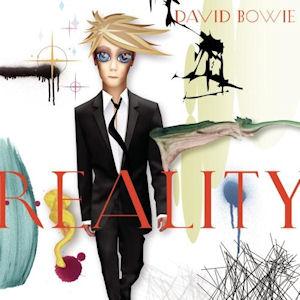
Chamberlain’s drumming found an unexpected later use on “Bring Me the Disco King”, the closing track of Bowie’s Reality album. Visconti explained that the drum performance had been recorded during the Heathen sessions for another song. The recording was then looped and used in the new arrangement.
The finished track places that rhythm alongside Mike Garson’s piano and Bowie’s vocal. Chamberlain was therefore part of the released Reality recording, although the drum performance had originated in an earlier session with a different piece of music in mind.
Tony Visconti on Bring Me the Disco King
“He was playing to a completely different song.”
— Tony Visconti, interview with Sound On Sound
Fly: a Reality bonus track
Chamberlain is also credited with drums on “Fly”. The song was released as a bonus track associated with Reality; it is not one of the tracks on the standard album.
This credit gives his Bowie discography a second Reality-period recording. It should remain separate from the unusual history of “Bring Me the Disco King”: Visconti’s account of reusing a Heathen drum performance concerns “Bring Me the Disco King”, not an established account of how “Fly” was recorded.
A career beyond Bowie
Matt Chamberlain performs his composition “Bike Ride” for Yamaha Drums.
Chamberlain’s work with Bowie forms one part of a much wider recording career. His official website describes work across rock, jazz, experimental music and other fields. Among the many artists with whom he has worked are Fiona Apple, Tori Amos and Elton John.
His Bowie sessions are notable for the unusually detailed accounts available from the people involved. Chamberlain described Bowie’s approach to writing and recording, while Visconti explained how the basic tracks were made and how one of Chamberlain’s performances later became part of “Bring Me the Disco King”.
Matt Chamberlain in Bowie’s recording history
Chamberlain’s documented Bowie contribution centres on Heathen. He helped establish recordings with Bowie and Visconti at Allaire, bringing his drumming, percussion and loop-programming skills to the project. His playing is also heard on “Bring Me the Disco King” and the bonus track “Fly” from the Reality period.
The collaboration illustrates how a studio performance can continue to develop after the musician has finished playing. Chamberlain’s drums served the immediate needs of the Heathen sessions, while one recorded part later took on a different role in Bowie’s next album.
Official Website & Further Information
For information about Chamberlain’s wider career and selected recordings, visit his official website: mattchamberlain.com .
Article Origin
This article was researched and written for DavidBowieWorld.com. It draws on published first-hand interviews with Matt Chamberlain and Tony Visconti, together with the recording credits for the Bowie releases discussed above.
© DavidBowieWorld.com — David Bowie Collaborations & Creative Circle Archive.
