
George Simms – Backing Vocalist for David Bowie’s Let’s Dance Era

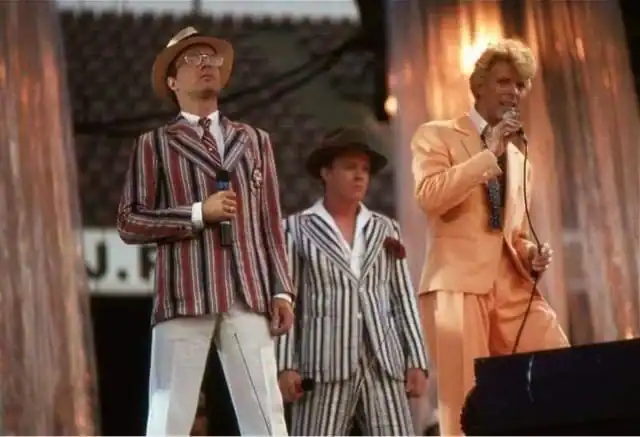
George Simms and David Bowie during the Serious Moonlight Tour. Photo courtesy of Frank and George Simms.
George Simms is an American singer, recording artist and session vocalist whose rich baritone voice became an important part of David Bowie’s live sound during two significant periods of Bowie’s career. Best known for his work on the Let’s Dance album, the Serious Moonlight Tour and later the Outside Tour, Simms helped create the powerful vocal harmonies that characterised Bowie’s concerts during the 1980s and 1990s.
Working alongside his brother Frank Simms, George became one half of one of the finest vocal partnerships in modern popular music. Their blend of soul, rhythm & blues and gospel influences added warmth, precision and emotional depth to countless recordings and live performances, not only with Bowie but with many of the world’s leading recording artists.
George Simms‘ long association with David Bowie continues to be documented through first-hand historical material. Following the publication of this page, George and his brother Frank Simms contacted DavidBowieWorld.com, generously offering photographs from their personal archives and sharing memories from more than four decades of working alongside David Bowie. Their contributions continue to enrich the historical record of Bowie’s live performances and recordings.
DavidBowieWorld.com Archive Series
Read the complete first-hand archive
Discover the complete story of Frank and George Simms‘ work with David Bowie through exclusive diary extracts, backstage memories, rare photographs and first-hand recollections from the Let’s Dance sessions and the Serious Moonlight Tour.
Read David Bowie’s Serious Moonlight Tour — The Frank & George Simms Archive →
- Name: George Simms
- Profession: Singer and session vocalist
- Bowie connection: Let’s Dance, Serious Moonlight Tour and the Outside Tour
- Known for: Soul and gospel-inspired backing vocals
- Worked with: David Bowie, Harry Chapin, Madonna, Billy Joel, Chaka Khan, Cyndi Lauper, Simple Minds, Thompson Twins, Serge Gainsbourg, Nile Rodgers and many others
- Current residence: Southern France
Early Career
Long before joining David Bowie’s touring band, George Simms had already established himself as a respected professional vocalist. Growing up in the United States, music played an important role in family life, and together with his brothers he developed the close vocal harmonies that would later become one of his trademarks.
Throughout the 1970s he gained extensive experience as both a live performer and session singer. Rather than pursuing the spotlight as a solo artist, Simms became known for his versatility, professionalism and remarkable ability to adapt his voice to almost any musical setting. Producers valued his accuracy, musicians appreciated his reliability and fellow singers admired the warmth and flexibility of his vocal style.
These qualities opened the door to collaborations with a wide range of internationally recognised artists. Before becoming associated with David Bowie, George Simms had already built an impressive reputation within the American recording industry as one of New York’s finest backing vocalists.
The Simms Brothers
George frequently worked alongside his brother Frank Simms, forming one of the most respected vocal partnerships in American popular music. Together they combined years of experience in soul, rhythm & blues, gospel and pop, creating harmonies that could move effortlessly between powerful lead passages and subtle supporting vocals.
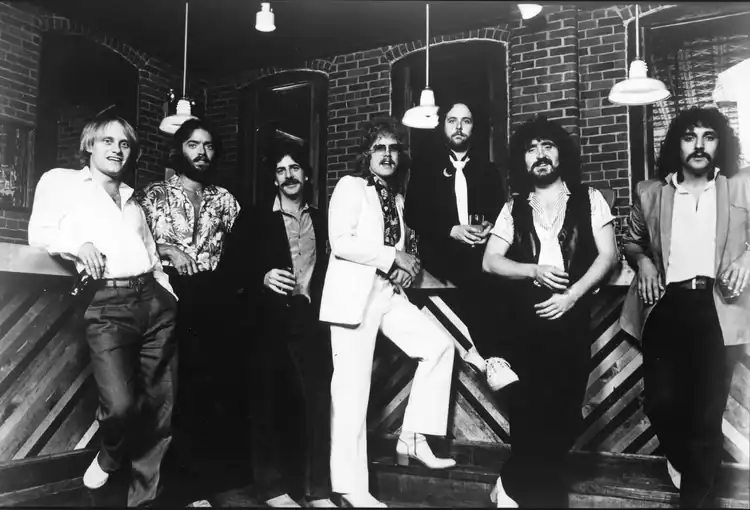
The Simms Brothers Band performing at Toad’s Place, New Haven, Connecticut, 1982. Photograph courtesy of Frank and George Simms.
The brothers first attracted attention through The Simms Brothers Band, founded during the 1970s. Their musical partnership continued to develop as they became increasingly sought-after studio vocalists. George’s own work included collaborations with artists such as Harry Chapin, Madonna, Billy Joel, Chaka Khan, Cyndi Lauper, Simple Minds, Thompson Twins and Serge Gainsbourg, among others.
Their reputation rested not only on vocal ability but also on musical intelligence. Both singers understood how to support a lead artist without dominating the performance, an ability that would later prove invaluable when David Bowie assembled his musicians for one of the biggest projects of his career.
This photograph captures The Simms Brothers Band at Toad’s Place in New Haven, Connecticut, in 1982, shortly before George and Frank became part of David Bowie’s Let’s Dance era.
Joining David Bowie
George Simms entered David Bowie’s musical world during preparations for the Let’s Dance project in late 1982 and early 1983. Producer Nile Rodgers wanted experienced singers capable of delivering rich, gospel-inspired harmonies while remaining disciplined enough for demanding studio sessions and an ambitious international tour.
Together, George and Frank Simms proved to be ideal choices. Their voices blended naturally with Bowie’s lead vocals, adding warmth, rhythmic drive and emotional colour without ever distracting from the songs themselves. The combination of Bowie’s distinctive voice and the Simms brothers’ soulful harmonies became one of the defining characteristics of the Let’s Dance sound.
Released in April 1983, Let’s Dance became the biggest commercial success of Bowie’s career, introducing him to millions of new listeners around the world. George Simms‘ contribution formed part of the remarkable group of musicians assembled by Bowie and Rodgers, helping create an album that remains one of the defining recordings of the 1980s.
Recording Let’s Dance
George Simms contributed backing vocals during the Let’s Dance recording sessions at the Power Station in New York. Working alongside Bowie, Nile Rodgers, Stevie Ray Vaughan, Carmine Rojas, Omar Hakim, Tony Thompson and fellow vocalist Frank Simms, he became part of one of the strongest studio line-ups Bowie ever assembled.
Rather than simply reinforcing Bowie’s melodies, George helped create the carefully layered vocal arrangements that gave the album much of its warmth and power. His disciplined approach, combined with his natural soul phrasing, added depth to the polished production while preserving the clarity and emotional impact of Bowie’s lead vocals.
The Serious Moonlight Tour
The enormous success of Let’s Dance was followed by the Serious Moonlight Tour, one of the largest concert tours of David Bowie’s career. Beginning in May 1983, the tour visited Europe, North America, Asia, Australia and New Zealand, eventually playing almost one hundred concerts before concluding in 1984.
George Simms became one of the featured backing vocalists throughout the tour. Night after night he helped recreate the sophisticated vocal arrangements heard on Let’s Dance while also bringing new life to classic Bowie material spanning more than fifteen years of Bowie’s career.
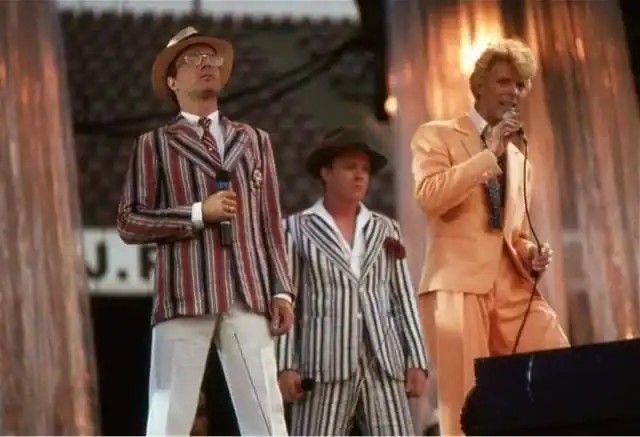
George Simms, Frank Simms and David Bowie on stage during the Serious Moonlight Tour in Japan, 1983. Photograph courtesy of Frank and George Simms.
Unlike many backing vocalists who remained largely anonymous, George became a visible part of Bowie’s stage production. Bowie encouraged interaction between his musicians, allowing the vocalists to move freely across the stage while contributing to the theatrical atmosphere that made the Serious Moonlight concerts so memorable.
Away from the audience, George came to know Bowie as an exceptionally thoughtful and generous colleague. In later interviews he recalled that his strongest memories were not simply of the concerts themselves, but of Bowie’s kindness, loyalty and genuine interest in the people around him. Those personal qualities left as much of an impression as Bowie’s extraordinary musical talent.
Video: The Serious Moonlight Tour
George Simms performing with David Bowie during the Serious Moonlight Tour (1983–1984), bringing the rich vocal harmonies of the Let’s Dance album to audiences around the world.
Signature Songs
George Simms‘ voice can be heard on the three classic singles released from Let’s Dance. Together with Frank Simms, he helped create the soulful vocal harmonies that became one of the defining characteristics of Bowie’s biggest-selling album.
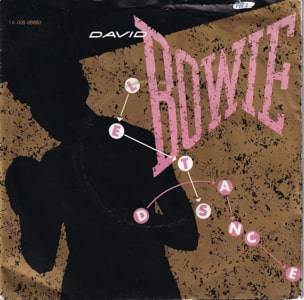
On Let’s Dance, George Simms contributed rich backing harmonies that complemented Nile Rodgers‘ crisp production while reinforcing Bowie’s lead vocal. The blend of soul, pop and dance music became one of the album’s defining features and helped establish the song as one of Bowie’s signature recordings.
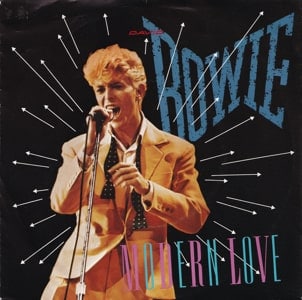
For Modern Love, George’s gospel-inspired vocal approach added brightness and energy to the song’s exuberant choruses. His contribution helped create the uplifting atmosphere that made the recording one of the most joyful moments on the album.

On China Girl, George adopted a more restrained vocal style, providing subtle harmonies that enhanced the emotional intensity of Bowie’s lead performance without overwhelming its intimate character.
Taken together, these recordings demonstrate the versatility that made George Simms such an important member of Bowie’s musical team. Whether delivering powerful gospel-inspired harmonies or subtle supporting vocals, his performances helped define the sound of one of the most successful albums of the 1980s.
Working with David Bowie
George Simms has often spoken warmly about his experiences with David Bowie, emphasising the artist’s humanity as much as his musical brilliance. While audiences witnessed one of the world’s greatest performers on stage, George came to know Bowie as a thoughtful, intelligent and remarkably generous individual behind the scenes.
Reflecting on their years together, George recalled that Bowie treated everyone in the touring party with respect, regardless of their role. Conversations frequently extended beyond music, touching on literature, cinema, visual art and world events, subjects that fascinated Bowie throughout his life.
According to George, it was these moments away from the spotlight that revealed Bowie’s true character. His professionalism, curiosity and kindness created an atmosphere in which every member of the band felt valued, helping to make the Serious Moonlight Tour one of the most rewarding experiences of George’s career.
The Outside Tour
More than a decade after the Serious Moonlight Tour, George Simms reunited with David Bowie for another important chapter in Bowie’s live career. During the Outside Tour of 1995 and 1996, George once again became part of Bowie’s touring ensemble, supporting a very different musical direction from the polished pop of the early 1980s.
The 1. Outside album explored darker themes and more experimental musical territory, drawing on industrial rock, electronic textures and theatrical storytelling. George adapted effortlessly to this new environment, demonstrating the versatility that had made him one of the most respected session vocalists in the business.
While the musical style had evolved dramatically since Let’s Dance, George’s role remained the same: to strengthen Bowie’s live performances with expressive harmonies, impeccable timing and a stage presence that complemented the entire band without overshadowing the main performance.
Beyond David Bowie
Outside his work with Bowie, George Simms built an impressive international career as a recording artist and session vocalist. His credits include collaborations with artists such as Harry Chapin, Madonna, Billy Joel, Chaka Khan, Cyndi Lauper, Simple Minds, Thompson Twins, Serge Gainsbourg, Sheena Easton and many others.
>His ability to move comfortably between pop, soul, rhythm & blues, gospel and rock made him one of the most sought-after backing vocalists of his generation. Producers valued his professionalism, while fellow musicians appreciated both his musical sensitivity and his ability to blend naturally into any vocal arrangement.
Although much of his career was spent supporting other artists, George’s contributions can be heard on numerous internationally successful albums and concert tours spanning more than five decades.
Life in France
Today George Simms lives in the south of France, where he continues to perform regularly. Rather than concentrating on contemporary pop music, he has developed a deep appreciation for the classic repertoire of French chanson, performing many of the country’s best-loved songs in local venues and cultural events.
He has often spoken of his affection for France, its musical heritage and its audiences. Alongside public performances, George also volunteers at retirement homes, presenting concerts for elderly residents who appreciate the music of earlier generations. For him, these intimate performances remain every bit as rewarding as singing before thousands of people in stadiums around the world.
George Simms Remembers David Bowie
Looking back on his years with David Bowie, George has consistently emphasised the qualities that audiences rarely saw. While millions admired Bowie as an extraordinary performer, George remembers him first as an exceptionally kind, thoughtful and loyal human being.
Reflecting on their time together, he once explained that his strongest memories were not necessarily the concerts themselves but the conversations away from the stage. Bowie loved discussing literature, cinema, painting, history and current events, treating every member of his band as an equal participant in those conversations.
George has described Bowie as “the epitome of high class, dignity and charm,” adding that his generosity, sincerity and genuine curiosity made him unlike anyone else he had worked with during his long career. Those memories remain among the moments he treasures most from his years as one of Bowie’s trusted backing vocalists.
Legacy
George Simms occupies a unique place in David Bowie’s history. Unlike many session musicians who contributed briefly to a single project, George participated in two distinct and highly significant periods of Bowie’s career. From the worldwide success of Let’s Dance and the Serious Moonlight Tour to the darker, experimental atmosphere of the Outside Tour, his voice accompanied Bowie through very different musical worlds.
His partnership with Frank Simms produced some of the finest backing vocals heard on Bowie’s recordings and live performances during the 1980s and 1990s. Together they demonstrated how skilled vocalists could enrich an artist’s sound without ever distracting from the central performance.
Today George Simms is remembered not only as an exceptional singer but also as one of the musicians who helped shape the sound of David Bowie’s live concerts during two defining eras. His professionalism, musical versatility and enduring admiration for Bowie continue to make him an important figure within the wider story of Bowie’s remarkable career.
Direct Correspondence
Following the publication of this page, George Simms and Frank Simms kindly contacted DavidBowieWorld.com to offer additional historical information, photographs from their personal archives and future recollections of their many years working with David Bowie. Their willingness to share first-hand material continues to help preserve the history of Bowie’s collaborators for future generations.
