
Neville Wills – Lead Guitarist in David Bowie’s First Band, The Konrads
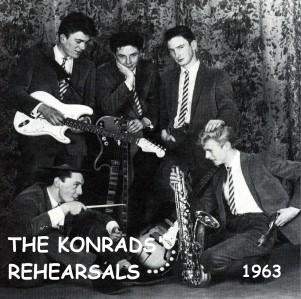
Neville Wills played lead guitar in The Konrads, the first band in which David Bowie gained experience as a performing musician. Their association belongs to 1962–1963, when Bowie was still known as David Jones and the group played local engagements around Bromley.
Wills belonged to the group’s beginnings before Jones joined. They worked together as members of an emerging local band, developing a repertoire, performing for audiences and seeking opportunities to record. Wills was part of Bowie’s earliest musical working environment, several years before his former bandmate achieved national recognition.
His own musical activity continued beyond their time together. Later songwriting credits and contemporary industry publications document work in recording-studio management and independent production. These activities give Wills a history extending beyond his connection with the teenage Bowie.
- Name: Neville Wills
- Born: Exact date unconfirmed; birthplace reported as Shirley, Kent, England
- Died: 1981
- Roles: Guitarist, songwriter, studio manager and independent record producer
- Principal instrument: Lead guitar
- Early band: The Konrads, formed in Bromley in 1962
- Bowie connection: Member of the first band in which David Jones, later David Bowie, performed
- Active alongside Bowie: 1962–1963
- Bowie’s responsibilities: Saxophone and vocals
- Later songwriting collaborator: Tony Edwards
- Later studio work: Listed as manager of Freerange in a 1976 studio directory
- Later production activity: Involved with Ritual Productions in 1979
Bromley and the beginnings of The Konrads
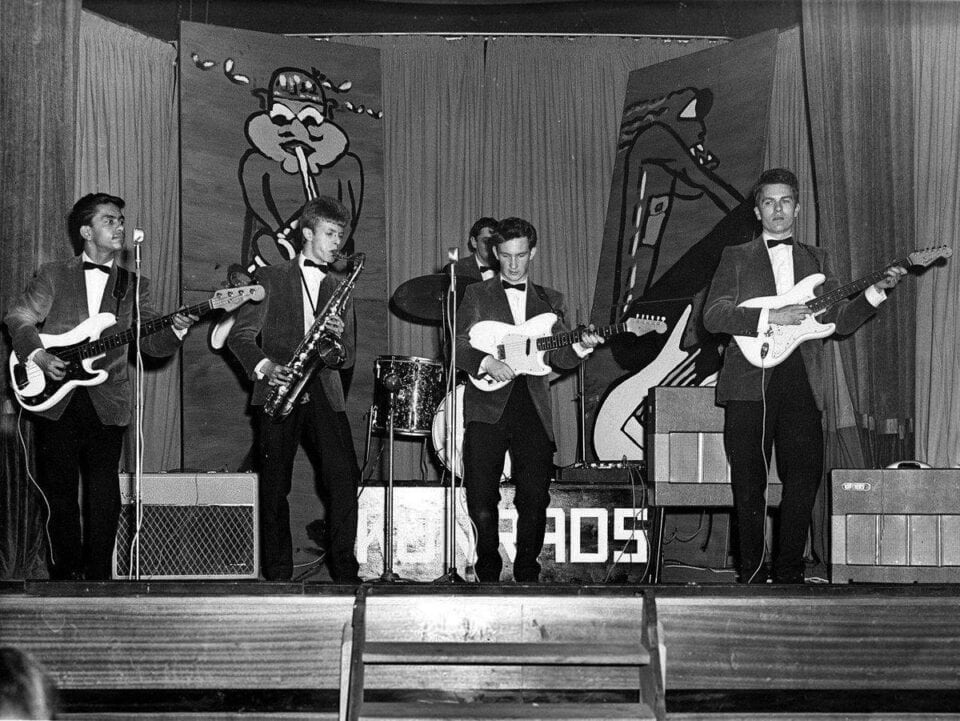
The Konrads emerged in Bromley in 1962. Accounts of their beginnings place Wills and drummer Dave Crook among the musicians involved before David Jones became a member. The group developed from local friendships and the wish to turn informal music-making into a performing band.
Jones joined during this early development. His arrival became historically important because of his subsequent career, but The Konrads were not simply a group he founded by himself. Other musicians had already begun the work of bringing the band together.
Wills’ place in that beginning gives him a distinct position among Bowie’s collaborators. He was a fellow musician in a local group whose members were still discovering what they could achieve together, before recording contracts and professional touring became part of Jones’ life.
The name appears as both The Kon-rads and The Konrads in surviving accounts. These spelling variations refer to the same group and form part of its documentary history.
David Jones and George Underwood
George Underwood, Jones’ school friend, participated in the early group as a singer. Jones brought saxophone and vocals into the ensemble, gaining experience alongside musicians with different instrumental and vocal responsibilities.
At this stage, Jones was not the permanent centre of attention familiar from Bowie’s later performances. The Konrads used different singers, and his role could include supporting another vocalist rather than leading every song.
The musicians were organising a band around the abilities available to them. Their work belonged to a shared musical setting in which the contribution of a saxophonist, guitarist or singer depended on the material being performed.
Wills’ lead guitar formed part of that setting. His association with Jones began through the practical experience of playing in the same group, before either could know the historical attention those teenage years would eventually receive.
The changing lineup
The Konrads’ membership changed during Jones’ association with the band. Alongside Wills, Crook, Underwood and Jones, its history includes drummer Dave Hadfield, bassist Rocky Shahan, singer Roger Ferris and rhythm guitarist Alan Dodds.
Christine and Stella Patton also participated as vocalists. These names describe the developing group, rather than a single founding lineup that remained unchanged throughout 1962 and 1963.
Changes in membership affected the musical resources available. Different voices could lead particular songs, while the instrumental combination developed around the musicians taking part at a given time.
Wills and Dodds occupied separate guitar roles. Wills is identified as lead guitarist, while Dodds played rhythm guitar. Keeping those identities clear is particularly important when discussing the early recordings and the songwriting credits associated with them.
Lead guitar within the ensemble
Wills’ documented position was lead guitarist. In a group combining guitars, bass, drums, saxophone and voices, his instrument formed one part of a larger arrangement. Its musical effect depended on how the players worked together.
Lead guitar can supply melodic phrases, instrumental passages and responses to a singer, as well as contributing to a song’s accompaniment. These general responsibilities help explain the position Wills occupied within the group.
The surviving documentation is stronger on membership and recording history than on the details of his playing at individual engagements. It does not allow a complete reconstruction of his equipment, solos or arrangements during the Bowie period.
Rehearsals and local performances
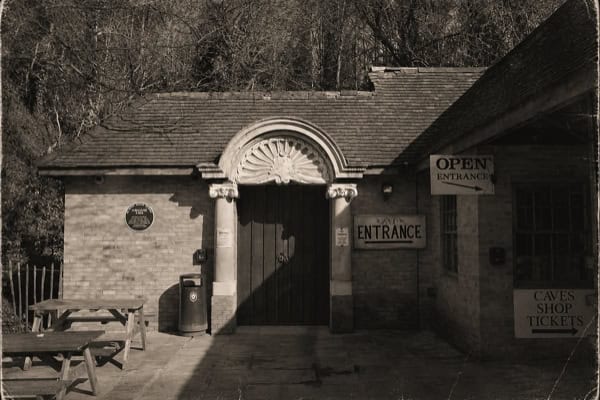
The band rehearsed around Bromley and played local engagements, including halls and dances through which young musicians could encounter an audience. These settings provided practical experience before a recording contract or a wider following had been secured.
Rehearsal meant preparing material that the musicians could perform collectively. A familiar song had to become an arrangement suited to the available instruments and singers, with agreed beginnings, endings and changes.
Performing introduced further demands: maintaining tempo, following a vocalist and responding when something did not go as planned. The value of this experience lay in the repeated work of making an ensemble function.
Wills shared in that process. His contribution belonged to the ordinary activity of a working local band, giving Jones experience of playing alongside musicians with responsibilities of their own.
The repertoire and the early-1960s setting
The Konrads’ repertoire included popular vocal material and instrumentals. It reflected the music familiar to the players and the requirements of the engagements available to a local band.
Saxophone and several vocalists offered possibilities beyond a single guitar-led format. The group’s musical identity developed within the popular music of its time and the abilities of its changing members.
This setting preceded the compositions and stage identities that would establish Bowie’s reputation. The musicians were working with the songs, skills and opportunities available in the early 1960s. Their performances were part of a learning process, rather than a rehearsal for a career already planned.
Seeking a recording opportunity
Recording offered the band a possible route beyond local performances. A demo could present its abilities to people able to arrange an audition or consider a contract, allowing the group to be heard outside a particular venue.
Dave Hadfield’s later account connects an early studio session with the attempt to interest Eric Easton, who was also involved with The Rolling Stones. The intention was to prepare material that might help The Konrads obtain a hearing at Decca.
The recording was therefore part of an attempt to create an opportunity. Its later historical importance arose from circumstances the musicians could not have anticipated when they were preparing their demo.
“I Never Dreamed”: the Morden demo
“I Never Dreamed” — an early Konrads demo featuring David Jones, later David Bowie, on lead vocals, recorded at R. G. Jones’ studio in Morden in 1963.
An early recording of “I Never Dreamed” attracted renewed attention when a surviving tape was offered for auction in 2018. Hadfield recalled booking a session at R. G. Jones’ studio in Morden.
His account described the preparation of original songs alongside guitar instrumentals. He selected “I Never Dreamed” and decided that Jones should sing its lead vocal.
Dave Hadfield on choosing the singer
“I also decided that David was the best person to sing it and give the right interpretation.”
Dave Hadfield — recollection published by Omega Auctions, 23 July 2018 .
The auction announcement credited the music and words to Alan Dodds, with the arrangement attributed to Dodds, Jones and Roger Ferris. That specific attribution distinguishes the songwriting from Wills’ instrumental role in the band.
The Decca audition
The Morden demo was separate from The Konrads’ Decca audition in 1963. Although “I Never Dreamed” connects the two accounts, the vocal responsibilities were different.
Roger Ferris sang lead at the Decca session, while Jones contributed backing vocals. The performance therefore presented a different vocal arrangement from the earlier demo described by Hadfield.
Decca did not offer the group a recording contract. The audition nevertheless represented a step beyond performing for local audiences: the musicians were presenting themselves for professional assessment in a studio.
These were successive attempts to advance the band’s prospects. Distinguishing the sessions preserves the contributions of the individual singers and clarifies the history of the song.
The surviving tape and renewed interest in 2018

The 2018 auction announcement returned the early demo to public attention. A recording made as an introduction for the band had become an object of interest because it preserved the teenage Jones singing before his commercial recording career.
Its later reception illustrates how the meaning of a recording can change. Material prepared to help obtain work could subsequently be heard as evidence of an artist’s earliest development.
The recording also brings the group around the singer back into view. It originated in collective work, involving decisions about material, arrangement and the choice of voice. The Konrads were pursuing an opportunity together.
Bowie leaves The Konrads
Jones left The Konrads in 1963. His departure ended the period during which he and Wills worked together as members of the same band. He moved towards other musical partnerships, while the group continued without him.
The decision belongs to his early search for opportunities and a direction of his own. The surviving record does not establish a detailed personal dispute between Jones and Wills.
For Bowie, the departure became one stage in a sequence of early groups. For Wills and the musicians who remained, it was a change in membership followed by further performances and recording ambitions.
The Konrads after Bowie
The Konrads – “Baby It’s Too Late Now”, released in 1965, after David Jones had left the band. David Bowie does not perform on this recording.
Later lineups continued the group’s activity, giving The Konrads a history extending beyond their most famous former member. Wills remained associated with that continuing story.
The band’s later material reflects musicians working beyond the circumstances of the 1962–1963 lineup. Its personnel and recording opportunities developed, while Jones pursued his career elsewhere.
This period is important to Wills’ biography. His musical activity did not end when the collaboration with Bowie finished. The group continued to provide a setting for performances and songwriting.
Later releases and the importance of personnel
Later Konrads recordings appeared through CBS and on a North American Decca release. These belong to the band’s post-Bowie activity.
The continuing use of the group’s name has sometimes encouraged confusion about who can be heard. The later releases do not feature Bowie: their relationship with his biography comes through the band’s earlier membership.
Heard within their own chronology, these records document the musicians who continued the group. They form part of The Konrads’ catalogue and Wills’ wider musical history.
Writing with Tony Edwards
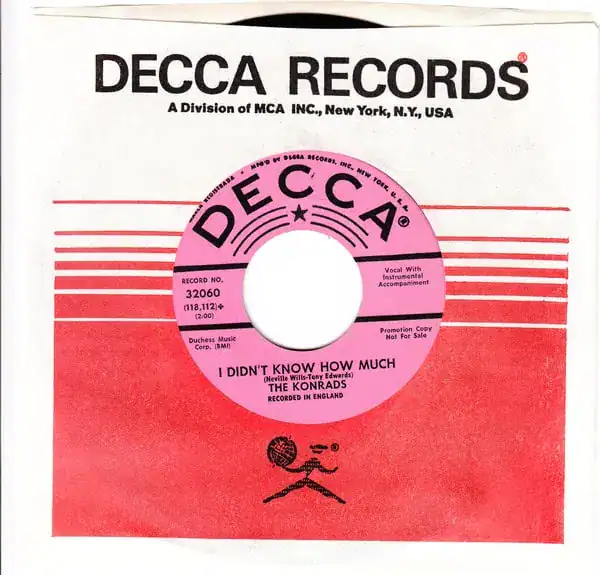
The Konrads – “I Didn’t Know How Much”, written by Neville Wills and Tony Edwards during the band’s post-Bowie period. David Bowie does not perform on this recording.
A later song identified in Bowie’s official archive as “I Didn’t Know How Much” was credited to Neville Wills and Tony Edwards. This provides a specific songwriting contribution within Wills’ post-Bowie history.
The song is separate from “I Never Dreamed”. The titles belong to different recording circumstances, despite the appearance of the Decca name in accounts of both periods.
The collaboration adds another dimension to Wills’ contribution. Alongside his position as lead guitarist, it identifies participation in creating material recorded during the group’s later development.
Joe Meek and an incorrect Bowie connection
Publicity surrounding producer Joe Meek’s tape collection generated another suggested connection between Bowie and a Konrads recording. Bowie responded directly when asked about his involvement.
David Bowie on Joe Meek
“Well, I never worked with Joe Meek, never even met him”
David Bowie — statement published on his official website, September 2008 .
His statement rules out treating a suggested Konrads–Meek connection as evidence of a Bowie session. It is a clear example of how a continuing band’s activities can become mistakenly attached to a musician who had already left.
Freerange and Wills’ later professional life
Contemporary music-industry documentation places Wills in a different professional setting during the 1970s. A 1976 recording-studio directory identified him as studio manager at Freerange, at 22 Tavistock Street, London WC2.
The directory described multitrack recording facilities, microphones, copying services and instruments available for use. These included a grand piano, drum kit, Mellotron and guitars.
This contemporary listing documents a professional role beyond performing in The Konrads. Wills was involved with the infrastructure through which other musicians could develop and record their work.
The entry separately identified senior engineers, distinguishing the studio’s technical personnel from its manager. Wills’ managerial position is documented without making him responsible for every recording associated with the premises.
Ritual Productions
In March 1979, music-industry reporting described Wills as a musician who had become an independent record producer. He was involved with Hilary Mark-Levinge in Ritual Productions.
The initiative aimed to help people engage with the arts without access to formal tuition. Music was its starting point, with broader artistic ambitions envisaged for its development.
Proposed materials included an LP and radio programmes introducing subjects such as composition and melody. The undertaking was described as non-profit making, with an interest in reaching people who did not know where to begin learning.
The contemporary report establishes the project’s announced intentions and Wills’ involvement. It does not establish that every proposed component was completed, but it records his participation in an initiative concerned with access to music.
From performing to recording and production
The documented stages of Wills’ career reveal several forms of musical work. The Konrads identify him as a performer; the collaboration with Tony Edwards provides a songwriting credit; Freerange and Ritual place him in later professional settings.
These records do not provide a continuous account of every intervening year. They do establish that his musical working life extended well beyond the association with Jones in 1962–1963.
Taken together, they present a musician involved in performance, the creation of material and the practical circumstances of recording. Each activity contributes to a fuller account of his career.
Legacy
Neville Wills’ place in Bowie history rests on a direct musical association. He played lead guitar in the band through which the teenage David Jones gained experience of rehearsing and performing with other musicians.
His contribution belongs to the period before Bowie had an established recording career. Local engagements and attempts to obtain an audition were immediate ambitions, shared with musicians who had musical interests and responsibilities of their own.
The Konrads were a collective undertaking. Wills, Crook, Underwood, Hadfield, Shahan, Ferris, Dodds and the Patton sisters occupy different places in its changing history. Recognising those contributions gives the band greater substance than a brief reference to Bowie’s first group.
Wills’ later activities deserve recognition within the same biography. His songwriting credit, studio management and involvement in independent production show a musical life continuing beyond the departure of his famous former bandmate.
His legacy is both connected and individual: an early participant in Bowie’s development as a performer, and a musician whose own work continued in the wider recording world.
Official Website & Further Information
No verified personal official website for Neville Wills has been identified for this article. Information about his career survives through band histories, recording credits and contemporary music-industry publications.
The Konrads’ early recordings provide a starting point for exploring the Bowie connection. The Morden demo and Decca audition represent different performances, while later releases document the band’s continuation after Jones had moved on.
For Wills’ subsequent career, the Freerange directory entry and the report on Ritual Productions provide contemporary evidence of his professional activity. They broaden the account beyond the brief period most often discussed in Bowie biographies.
Together, these strands allow his contribution to be followed across different settings: the local band, the recording studio and an initiative intended to make musical knowledge more accessible.
Article Origin
This article was researched and written for DavidBowieWorld.com as part of its archive of David Bowie’s collaborators and creative circle. It draws on accounts of The Konrads, Bowie’s official archive, published recollections and contemporary music-industry documentation. Short quotations are attributed to their speakers and linked to the publications that preserve them.
Its purpose is to place Wills’ association with Bowie within a clear chronology while recognising his independent musical activity. The account distinguishes the early demo from the Decca audition, and the group’s Bowie-era membership from its subsequent recording history.
Wills’ story forms part of the wider musical environment from which Bowie emerged. Preserving the contributions of the musicians who shared those beginnings provides a fuller account of that history, while giving their later work the attention it deserves.
© DavidBowieWorld.com – David Bowie Collaborations & Creative Circle Archive.
Chronology
1962
1963
🏛️ R.G. Jones Studios
🎧 Event: First Studio Session
🎤 Artist: The Konrads
🗒️ Notes: The Konrads record the demo ‘I Never Dreamed’. Roger Ferris sings lead, with David Jones on harmony vocals. The tape was rediscovered in 2018.
🏛️ Hillsiders Youth Club, W.I. Hall
🎤 Artist: The Konrads
🗒️ Notes: One of the final documented gigs featuring David Jones.
© DavidBowieWorld.com — David Bowie Collaborations & Creative Circle Archive.
