
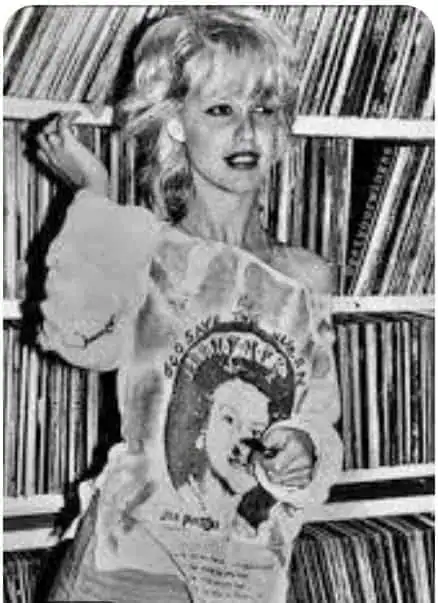
Cyrinda Foxe & David Bowie | The Jean Genie, MainMan and Glam-Era Presence
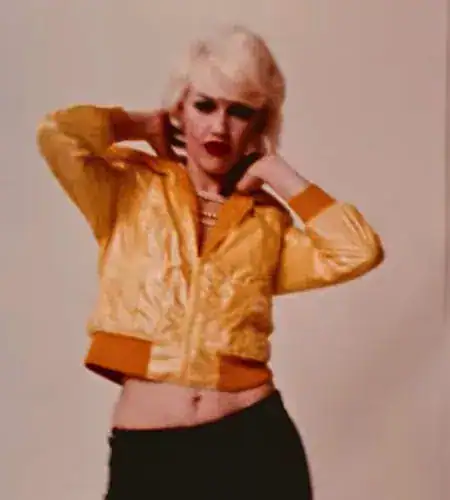
Image: Cyrinda Foxe / editorial use
Cyrinda Foxe, born Kathleen Victoria Hetzekian, was an American actress, model, publicist and glam-era figure closely connected with David Bowie’s early 1970s world. Her Bowie connection is centred on the Ziggy Stardust period, MainMan, and her memorable appearance in Mick Rock’s promotional film for The Jean Genie.
Foxe should not be described as a musical collaborator in the strict sense. She did not write, sing or play on Bowie’s records. Her importance lies in visual performance, image, atmosphere and her place within the New York and glam-rock network that surrounded Bowie during one of his most iconic periods.
- Birth name: Kathleen Victoria Hetzekian
- Known as: Cyrinda Foxe
- Born: 22 February 1952, Santa Monica, California, USA
- Died: 7 September 2002, New York City, USA
- Role: Actress, model, publicist and glam-era personality
- Bowie connection: MainMan circle and appearance in The Jean Genie promotional film
- Also known for: Andy Warhol’s Bad, Max’s Kansas City, New York Dolls and Aerosmith connections
- Family connection: Former wife of David Johansen and Steven Tyler; mother of Mia Tyler
From Kathleen Hetzekian to Cyrinda Foxe
Cyrinda Foxe was born Kathleen Victoria Hetzekian in Santa Monica, California. She later moved into the New York scene and adopted the name by which she became known in rock, film and underground culture. Her life moved through several overlapping worlds: modelling, acting, Warhol circles, Max’s Kansas City, MainMan, the New York Dolls and Aerosmith.
Her Bowie connection belongs especially to the early 1970s, when New York underground culture, British glam rock and theatrical rock performance were colliding. Foxe was one of the figures who embodied that collision: stylish, self-created, visually striking and closely connected to the people who shaped the period.
New York, Max’s Kansas City and the Warhol world
Foxe became associated with the downtown New York scene around Max’s Kansas City, a meeting place for musicians, artists, actors, models and Warhol personalities. This was the kind of environment that naturally appealed to Bowie during his early American breakthrough: theatrical, sexually ambiguous, visually bold and connected to both pop art and rock culture.
Foxe also appeared in work connected with Andy Warhol’s world, including Pork and the later Warhol-produced film Bad. This background is important because it places her within a cultural world Bowie admired and drew from during the Ziggy Stardust period.
MainMan and the Bowie orbit
Foxe also worked in the orbit of MainMan, the management company associated with Tony Defries and David Bowie during Bowie’s rise to international fame. MainMan was not simply a management office; it was part of the machinery that helped build Bowie’s early-1970s mythology.
Through MainMan and the New York glam scene, Foxe became part of the wider Bowie environment. Her role was not that of a musician or producer, but she belonged to the visual, social and promotional world surrounding Ziggy Stardust.
The Ziggy Stardust period
The Ziggy Stardust era depended on much more than music. It was built from performance, styling, photography, theatre, sexuality, science fiction and a carefully charged sense of danger. Foxe fitted naturally into that atmosphere.
Her appearance and attitude matched the streetwise glamour Bowie was exploring in the period around Aladdin Sane and the American Ziggy tours. She was not a passive accessory to the scene; she was one of the people whose presence helped give the era its recognisable visual energy.
The Jean Genie
Cyrinda Foxe is most strongly connected with Bowie through The Jean Genie. The song was recorded in 1972 and released as a single late that year. Its sound drew on blues-rock swagger, garage energy and Bowie’s fascination with American cultural imagery.
The title has often been linked with Jean Genet, while the song’s atmosphere also draws from Bowie’s broader sense of imagined America, sexuality, performance and street culture. Foxe is sometimes described as an inspiration for the song, but that should be stated carefully. She was certainly part of the song’s visual world and Bowie’s social environment at the time, but the song should not be reduced to a single source.
Mick Rock’s promotional film
Foxe appeared with Bowie in Mick Rock’s promotional film for The Jean Genie. This is her clearest and most important direct Bowie appearance. The film captures Bowie during the Ziggy period and places Foxe beside him as part of the song’s glam-street visual language.
Her presence in the film is not a musical contribution, but it is still historically meaningful. Bowie’s early-1970s work was inseparable from image, movement, styling and screen presence. In that sense, Foxe contributed to how The Jean Genie was visually remembered.
Video
David Bowie – The Jean Genie
Mick Rock’s promotional film for The Jean Genie is the essential Bowie–Cyrinda Foxe visual document. It shows Foxe not as a studio collaborator, but as a screen presence within Bowie’s Ziggy-era visual universe.
The film remains one of the clearest examples of how Bowie used people, styling, movement and atmosphere to extend a song beyond the record itself.
Cyrinda Foxe and Angie Bowie
Foxe was also photographed with Angie Bowie during the early American Ziggy Stardust period. These photographs place her within the travelling and social environment surrounding Bowie at a time when the Ziggy Stardust image was rapidly gaining attention in the United States.
Contemporary images of Foxe and Angie together provide a valuable glimpse into the wider world around Bowie during his first major American tours. They show that Foxe was not simply an observer of the glam-rock scene, but someone moving within the same social circles that helped define Bowie’s growing presence in America during 1972 and 1973.
Although Foxe was never part of Bowie’s band or creative team in a formal sense, her presence within this environment reflects the importance of image, personality and cultural exchange during the Ziggy Stardust era. Like many figures connected to Bowie’s early American breakthrough, she contributed to the atmosphere and visual identity that surrounded the period.
Image, gender and glam presence
Foxe’s importance to the Bowie story is partly visual. The Ziggy period worked because it brought together people who understood performance as image and image as identity. Foxe’s look, confidence and self-created persona fitted the glam-rock moment perfectly.
It is tempting to call her a muse, and that word can be useful if handled carefully. She was not simply an object of inspiration. She was an active participant in a cultural scene where people created themselves through clothes, names, gestures, nightlife and association.
New York Dolls and David Johansen
Beyond Bowie, Foxe became closely connected with the New York Dolls, one of the most important American glam and proto-punk bands of the 1970s. She later married the Dolls’ singer David Johansen in 1977.
This connection matters because the New York Dolls and Bowie occupied overlapping glam territories, even though their sounds and backgrounds were different. Foxe moved through both worlds, making her a useful figure for understanding how British glam, New York rock and Warhol-adjacent culture intersected.
Aerosmith, Steven Tyler and Mia Tyler
Foxe later married Steven Tyler of Aerosmith. Their daughter, Mia Tyler, became known as a model and public figure in her own right. Foxe’s relationship with Tyler was later described in her memoir Dream On: Livin’ on the Edge with Steven Tyler and Aerosmith, published in 1997.
This later part of her life belongs more to Aerosmith history than Bowie history, but it helps explain why Foxe remained a recognised figure in rock culture long after the Ziggy Stardust period.
Illness, benefit and Bowie’s later gesture
In the final years of her life, Foxe suffered serious illness. A benefit was organised to help support her, and David Bowie donated an acoustic guitar. This later gesture is important because it shows that her connection to Bowie was not limited to a brief early-1970s moment.
Foxe died in New York City on 7 September 2002, aged 50. Her life had passed through several major rock and art worlds, but her appearance beside Bowie in The Jean Genie remains one of the most widely remembered images of her career.
Collaborator, muse or screen presence?
The most historically accurate description of Cyrinda Foxe’s Bowie role is not “musical collaborator”. She was a glam-era presence, MainMan-connected figure, publicist, performer and screen presence in Bowie’s visual world.
Calling her a collaborator is acceptable only if the word is understood broadly: not as someone who helped compose or record the music, but as someone whose image and performance helped shape the way one important Bowie song was presented visually.
Legacy within Bowie’s universe
Within David Bowie’s universe, Cyrinda Foxe represents the social and visual world of Ziggy Stardust in America. Her importance rests on atmosphere, image and proximity to a moment when Bowie’s art was becoming a total performance environment.
She stands as a reminder that the Ziggy era was not built by Bowie alone. It was also shaped by photographers, stylists, managers, publicists, lovers, friends, performers and scene-makers who helped create the charged visual language around him.
Place on this site
Cyrinda Foxe belongs in this collection as a Bowie-connected figure from the glam period, especially because of The Jean Genie. Her page should remain clear about the nature of that connection: visual, cultural and personal rather than musical.
On those terms, her place is historically justified. She was part of the world that helped Bowie’s Ziggy Stardust image travel from song and stage into film, photography, fashion and rock mythology.
