
Guy Peellaert – Artist Behind David Bowie’s Diamond Dogs Artwork

Guy Peellaert – Diamond Dogs Artwork
Guy Peellaert was a Belgian painter, illustrator and graphic artist whose striking visual imagination made him one of the most influential image-makers of the 1970s. Although he worked with many of popular culture’s biggest names, he is forever associated with David Bowie for creating the unforgettable artwork for Diamond Dogs (1974), one of the most iconic and controversial album covers in rock history.
Peellaert’s highly detailed paintings blurred the boundaries between fantasy, cinema and reality. Rather than producing straightforward portraits, he transformed musicians into larger-than-life characters, creating visual narratives that were as imaginative as the music they represented. His collaboration with Bowie perfectly captured the dark, dystopian atmosphere of the Diamond Dogs era and helped establish one of the defining visual identities of Bowie’s career.
Although their professional collaboration centred on a single project, the resulting artwork became one of the most celebrated album covers ever produced and remains inseparable from Bowie’s ambitious vision of Hunger City and the post-Ziggy Stardust period.
- Full name: Guy Félix Peellaert
- Born: 6 April 1934, Brussels, Belgium
- Died: 17 November 2008, Paris, France
- Profession: Painter, illustrator, graphic artist and comic-book creator
- Bowie connection: Artist responsible for the Diamond Dogs album artwork (1974)
- Best known works: Diamond Dogs, Rock Dreams, film posters and celebrity portraiture
Early Life
Guy Félix Peellaert was born in Brussels on 6 April 1934. From an early age he showed a strong interest in drawing, painting and visual storytelling, eventually studying architecture before deciding to pursue a career as an artist. Rather than following traditional fine art, Peellaert developed a distinctive style that combined painting, illustration, photography and elements of popular culture into richly detailed visual compositions.
During the 1960s he became part of a new generation of European artists who rejected conventional artistic boundaries. His work embraced comic books, advertising, cinema and rock music, creating images that felt both glamorous and unsettling. This unique approach would later make him one of the most sought-after visual artists in popular music.
From Comics to International Recognition
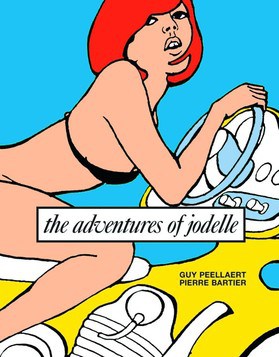
Before working with David Bowie, Guy Peellaert had already established an international reputation through a series of groundbreaking graphic novels and illustrated books. His erotic pop-art comic Les Aventures de Jodelle (1966) attracted widespread attention for its bold colours, cinematic compositions and modern visual style, while Pravda la Survireuse (1968) further demonstrated his ability to blend fashion, fantasy and popular culture into highly original artwork.
These publications quickly distinguished Peellaert from traditional comic artists. Rather than focusing on conventional storytelling, he created visually immersive worlds inspired by film, advertising, celebrity culture and contemporary design. His paintings often appeared almost photographic at first glance, yet closer inspection revealed carefully constructed surreal details and subtle distortions that became hallmarks of his style.
By the early 1970s, Peellaert had become recognised as one of Europe’s most innovative visual artists, admired for transforming famous personalities into almost mythical figures. It was this extraordinary ability to reinvent public images that would soon attract the attention of David Bowie.
Rock Dreams
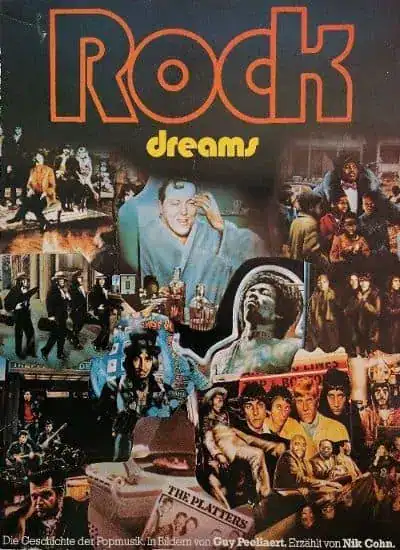
Guy Peellaert‘s international reputation reached a new level in 1973 with the publication of Rock Dreams, a groundbreaking book created in collaboration with British music journalist Nik Cohn. Rather than producing conventional portraits of famous musicians, Peellaert reimagined rock stars as cinematic, often dreamlike figures, placing them in carefully constructed scenes that blended fantasy with reality.
The book featured striking interpretations of artists including Elvis Presley, Chuck Berry, Bob Dylan, The Rolling Stones, The Beatles and many other influential musicians. Every illustration was meticulously painted from photographic reference material before being transformed into one of Peellaert’s richly detailed visual compositions.
Unlike traditional music photography, Rock Dreams presented its subjects almost as modern myths. Heroes of popular music appeared glamorous, mysterious and sometimes unsettling, reflecting both their public image and the cultural impact they had on their audiences. The book received widespread critical acclaim and established Peellaert as one of the world’s leading visual interpreters of popular culture.
For artists such as David Bowie, whose career increasingly blurred the boundaries between music, theatre and visual art, Peellaert’s work demonstrated a unique ability to create images that were far more than simple portraits. His paintings told stories, creating complete visual worlds around their subjects.
David Bowie Discovers Guy Peellaert
By 1973, David Bowie was preparing the visual identity for what would become Diamond Dogs. Having retired Ziggy Stardust, Bowie was developing a darker and more theatrical concept inspired by urban decay, mutation and the dystopian ideas that eventually shaped Hunger City. He wanted an album cover that would introduce listeners to this new world before they even heard the first note of music.
Peellaert’s highly imaginative artwork made him an ideal choice. His ability to transform real people into larger-than-life fictional characters closely matched Bowie’s own approach to performance and identity. Rather than commissioning a conventional photograph, Bowie wanted a painted image that would become an extension of the album itself.
According to several contemporary accounts, Bowie was particularly eager to work with Peellaert after learning that other major rock artists had also expressed interest in commissioning him. By the early 1970s, Peellaert had become one of the most sought-after artists working in popular music, and securing his involvement was considered a significant creative achievement.
The collaboration would result in one of the most recognisable album covers in rock history, with Peellaert transforming Bowie into the now legendary half-man, half-dog creature that perfectly embodied the unsettling atmosphere of Diamond Dogs.
How Bowie Chose Guy Peellaert
David Bowie had admired Guy Peellaert‘s work long before the creation of Diamond Dogs. One of the artist’s most celebrated publications, Rock Dreams (1973), had attracted widespread attention for its striking painted interpretations of rock and roll icons.
According to Bowie, he first encountered Peellaert’s work while visiting Mick Jagger. Jagger owned several original Rock Dreams paintings and told Bowie that he hoped to commission Peellaert for a future Rolling Stones project. Fascinated by the artist’s distinctive style, Bowie decided he wanted Peellaert to create the artwork for his next album instead.
The commission resulted in the unforgettable Diamond Dogs cover, with Peellaert transforming Bowie into the now legendary half-man, half-dog figure that perfectly captured the album’s dystopian atmosphere. The collaboration produced one of the most celebrated and recognisable album covers in the history of rock music.
Creating the Diamond Dogs Artwork
Unlike many album covers of the early 1970s, the artwork for Diamond Dogs was not created from a simple portrait session or a straightforward publicity photograph. David Bowie wanted an image that would immediately transport listeners into the dark, unsettling world of the album — a world populated by mutants, ruined cities and theatrical characters rather than conventional rock stars.
To achieve that vision, Bowie turned to Guy Peellaert, whose paintings had already demonstrated an extraordinary ability to transform real people into larger-than-life fictional figures. Rather than depicting Bowie as the glamorous Ziggy Stardust audiences already knew, Peellaert reimagined him as a disturbing half-man, half-dog creature standing somewhere between fantasy, theatre and nightmare.
The finished painting became the visual centrepiece of Diamond Dogs, perfectly reflecting the album’s themes of mutation, identity and dystopian survival. More than simply illustrating Bowie, Peellaert created an entirely new character that has become inseparable from the music itself.
Working from Terry O’Neill’s Photography
Before Guy Peellaert began painting, Bowie posed for photographer Terry O’Neill, who produced a series of carefully staged reference photographs. Rather than serving as the finished artwork, these photographs provided Peellaert with the visual foundation for his painting.
Using O’Neill’s photographs as reference material, Peellaert completely transformed Bowie’s appearance through paint, altering anatomy, posture and perspective to create the famous hybrid figure. This method allowed him to retain Bowie’s recognisable features while pushing the image into a surreal world that photography alone could never achieve.
The collaboration between photographer and painter resulted in one of the most distinctive album covers of the 1970s. O’Neill captured the performance; Peellaert transformed it into a work of visual art.
Guy Peellaert‘s artistic approach
“My paintings are not portraits. They are dreams built from reality.”
The Diamond Dogs Cover
When Diamond Dogs was released on 24 May 1974, the cover immediately attracted attention. Peellaert’s extraordinary painting presented Bowie as a theatrical hybrid creature, introducing listeners to the dystopian world that unfolded throughout the album.

The artwork quickly became one of the most discussed record sleeves of the decade. Its imaginative design, technical execution and provocative imagery challenged expectations of what a rock album cover could be, reinforcing David Bowie’s reputation as an artist who regarded visual presentation as an essential part of his creative identity.
Although the original painting later became associated with the controversy surrounding the uncensored sleeve, its lasting significance lies in its artistic achievement. More than fifty years after its release, the Diamond Dogs cover remains one of the defining works of album art in the history of popular music and one of Guy Peellaert‘s greatest artistic achievements.
The original uncensored sleeve
Two versions of the Diamond Dogs cover are known to collectors. The earliest artwork reproduced Guy Peellaert‘s original painting in its complete form, including the anatomy of the dog body. Shortly after release, RCA Records ordered the image to be altered, and subsequent pressings featured an airbrushed version in which the explicit details had been removed.
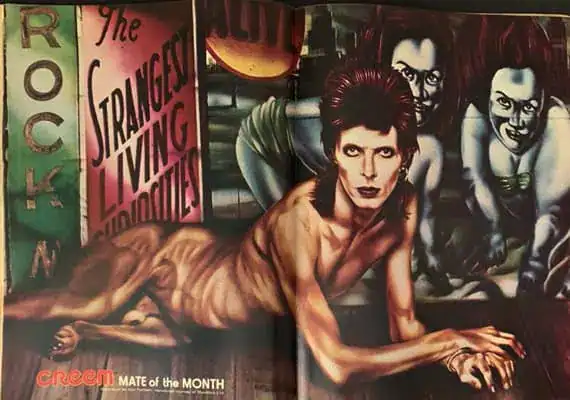
Today, the original uncensored sleeve is regarded as one of the rarest and most valuable David Bowie record covers. Because only a very small number of uncensored copies survived, original examples have become highly sought after by collectors and regularly command significant prices whenever they appear on the market.
Readers interested in the complete history of the original painting, the censored sleeve and the famous “butcher cover” can explore the dedicated Diamond Dogs Album Cover Story, where the artwork and its remarkable history are examined in much greater detail.
Beyond Diamond Dogs
Although Guy Peellaert‘s direct collaboration with David Bowie centred primarily on Diamond Dogs, the partnership left a lasting mark on Bowie’s visual legacy. The album cover demonstrated how illustration and fine art could become an essential part of a musician’s creative identity, rather than simply serving as packaging for a record.
Peellaert also created an additional painting based on Terry O’Neill’s photographs of Bowie holding the leash of a leaping Great Dane. Originally intended for the inside gatefold of Diamond Dogs, the artwork was ultimately replaced by a photographic montage. It later appeared as a limited-edition poster distributed through Bowie’s fan club and has since become a highly collectible piece of Bowie memorabilia. :contentReference[oaicite:0]{index=0}
Later Career
Following the success of Diamond Dogs, Guy Peellaert remained one of Europe’s most respected visual artists. He designed album covers for artists including The Rolling Stones, while also creating acclaimed posters for films such as Taxi Driver, Paris, Texas, Wings of Desire and Short Cuts. His distinctive photorealistic painting style continued to influence artists working across music, cinema and graphic design for decades. :contentReference[oaicite:1]{index=1}
Peellaert also returned to David Bowie’s work in 2000, creating the cover artwork for Bowie at the Beeb. Although separated by more than twenty-five years, the commission demonstrated the lasting respect Bowie had for Peellaert’s extraordinary visual imagination. :contentReference[oaicite:2]{index=2}
Legacy
Today, Guy Peellaert is recognised as one of the most influential visual artists to work in popular music during the twentieth century. His paintings combined the realism of photography with the imagination of surrealism, creating images that often became as memorable as the music they represented.
For David Bowie fans, his greatest achievement remains the unforgettable Diamond Dogs cover. More than fifty years after its release, the painting continues to symbolise Bowie’s transition from the Ziggy Stardust era into the darker, dystopian world of Diamond Dogs. The controversial original artwork, together with its censored counterpart, has become one of the most celebrated and collectible album covers in rock history. :contentReference[oaicite:3]{index=3}
Explore the Complete Diamond Dogs Cover Story
This page focuses on Guy Peellaert‘s life and artistic collaboration with David Bowie. If you would like to explore the complete history of the Diamond Dogs artwork—including Terry O’Neill’s original photographs, the creation of the famous half-man, half-dog painting, the uncensored “butcher cover”, and the lasting legacy of one of rock music’s most controversial album sleeves—see our dedicated feature:
Diamond Dogs (1974) – The Story Behind the Album Cover →
Official Website & Further Information
Guy Peellaert passed away in 2008 and no official website is currently maintained. His artwork continues to be celebrated through museum collections, books, exhibitions and the many album covers and film posters that established him as one of Europe’s most original visual artists.
Article Origin
This article has been researched and written for DavidBowieWorld.com as part of the site’s ongoing series documenting the artists, designers, photographers and creative collaborators who helped shape David Bowie’s extraordinary visual and musical legacy.
