
Eric Barrett – Tour Manager, Road Manager and Trusted David Bowie Associate

Image: David Bowie World collection / editorial use
Eric Barrett was one of the most respected behind-the-scenes figures in the music industry and a trusted associate of David Bowie during the mid and late 1970s.
Although he never appeared on stage with an instrument in his hands, Barrett played an important role in the organisation and execution of Bowie’s live productions. His work helped make possible the ambitious tours that accompanied the Station To Station, Low and “Heroes” eras.
Within the touring world Barrett earned a reputation as a highly reliable road manager, tour manager and problem-solver. Artists trusted him because he understood both the creative and practical realities of life on the road.
- Name: Eric Barrett
- Born: Date unknown
- Role: Road manager, tour manager, production organiser
- Bowie connection: Mid-1970s to late-1970s touring operations
- Key tours: Isolar Tour (1976), Isolar II Tour (1978)
- Earlier career: Road manager for Jimi Hendrix
- Later clients: Madonna, George Michael, Aerosmith and others
Before Bowie: Jimi Hendrix and the world of rock touring
Long before working with David Bowie, Eric Barrett had already built an impressive reputation within the music industry.
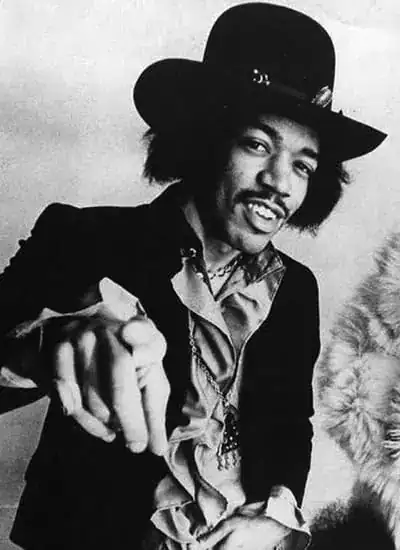
He served as road manager and trusted associate of Jimi Hendrix between 1968 and 1970, placing him at the centre of one of the most extraordinary periods in rock history.
Working alongside Hendrix required a rare combination of diplomacy, organisation and resilience. Touring at that level involved constant travel, complex logistics, unpredictable circumstances and enormous pressure.
Barrett earned a reputation for remaining calm in difficult situations and for solving problems before they became crises. These qualities would later make him valuable to many major artists, including David Bowie.
Within the music business he became known as a dependable fixer — someone capable of keeping large productions moving smoothly while protecting the interests of both artists and crews.
The Station To Station era
Barrett was already working with Bowie during the Station To Station period in 1976.
One revealing example of his influence appears in a contemporary Bowie interview from March 1976. During a discussion about the recording of Station To Station, Bowie explained that pianist Roy Bittan had been recommended to him by Eric Barrett.
Bowie recalled that Barrett had seen Bittan perform and suggested him for the sessions. The recommendation proved successful, and Bittan went on to contribute to one of Bowie’s most important albums.
The story demonstrates the level of trust Bowie placed in Barrett’s judgement. He was not merely organising travel schedules; he was helping identify musicians who could contribute creatively to Bowie’s work.
The Isolar Tour (1976)
The 1976 Isolar Tour introduced audiences to Bowie’s Thin White Duke period and supported the release of Station To Station.
The tour represented a significant shift away from the theatrical excess of the earlier Diamond Dogs productions. Instead, the performances became more streamlined, elegant and focused.
Behind the scenes, this transition required careful management. Equipment, personnel, venues, transport and scheduling all needed to function efficiently across an international itinerary.
Barrett played a crucial role in ensuring that these operations worked smoothly, helping Bowie deliver one of the strongest live presentations of his career.
Preparing for a new era
Following the Isolar Tour, Bowie entered one of the most creatively important periods of his life.
The recordings of Low and “Heroes”, his move toward Europe and his collaboration with Brian Eno fundamentally reshaped his artistic direction.
As Bowie’s music became more experimental and atmospheric, the demands placed upon future tours changed as well.
Eric Barrett would remain an important figure as Bowie prepared to bring this new material to audiences around the world.
The Isolar II Tour (1978)
The culmination of Eric Barrett’s work with David Bowie came during the Isolar II World Tour of 1978, the tour documented on the live album Stage.
Unlike the theatrical productions of the early 1970s, Isolar II embraced a more disciplined and modern aesthetic. Bowie was presenting material from Low, “Heroes”, Station To Station and selected earlier works in a way that reflected his artistic reinvention.
The performances depended upon precision. Complex musical arrangements, carefully designed staging and strict scheduling required a highly organised touring structure.
Barrett stood at the centre of that structure, ensuring that every aspect of the production functioned effectively from city to city and continent to continent.
Stage and the documentation of a tour
Many of the performances organised during the Isolar II period were recorded and later released as the live album Stage.
Today the album is considered one of the most important live documents of Bowie’s late-1970s work, capturing the atmosphere of a period in which his music combined experimentation, discipline and emotional intensity.
Although Barrett’s contribution was behind the scenes, recordings such as Stage provide indirect evidence of the success of the touring operation he helped manage.
Large international productions only work when countless details are coordinated successfully. Barrett was one of the people responsible for making that possible.
A trusted member of Bowie’s professional circle
Throughout the 1970s Bowie surrounded himself with highly capable individuals who could be trusted to execute his ideas without unnecessary drama.
Eric Barrett belonged to that group.
Unlike musicians, producers or photographers, tour managers often remain invisible to audiences. Yet their influence can be substantial. They help maintain schedules, coordinate crews, resolve conflicts and ensure that artists can concentrate on performance.
Barrett’s long career suggests that he excelled at precisely these tasks.
The confidence placed in him by artists such as Bowie, Hendrix and many others reflects the respect he earned within the industry.
Beyond Bowie
After his work with Bowie, Barrett continued a remarkable career that stretched across several decades of popular music.
He became associated with major touring productions involving artists including Aerosmith, Madonna, George Michael and numerous other internationally successful performers.
His career offers a rare perspective on the evolution of the concert industry from the late 1960s through the modern arena era.
Few individuals experienced so many different chapters of rock and pop history from such a close vantage point.
Life after touring
Following decades spent on the road, Barrett eventually stepped away from full-time touring.
Drawing on his experiences with Hendrix, Bowie and many other artists, he later documented aspects of his extraordinary career through writing and interviews.
These accounts provide valuable first-hand insights into the realities of life behind the scenes in the music business.
They also reveal the qualities that made Barrett successful: professionalism, adaptability, loyalty and an ability to remain calm under pressure.
Legacy within Bowie’s universe
Eric Barrett was not a musician, songwriter or performer, yet his contribution to David Bowie’s career should not be underestimated.
He helped guide and organise some of Bowie’s most important tours during one of the artist’s most creatively significant periods.
From the Station To Station era through the celebrated Isolar II Tour, Barrett played a vital role in transforming artistic concepts into successful live productions.
His story is a reminder that David Bowie’s achievements were not created by performers alone. Behind every great tour stood a team of skilled professionals whose work made those performances possible.
Among those trusted figures, Eric Barrett remains one of the most important and respected behind-the-scenes collaborators of Bowie’s late-1970s world.
