
Neil Tennant & Pet Shop Boys – From Bowie Admirers to “Hallo Spaceboy” Collaborators
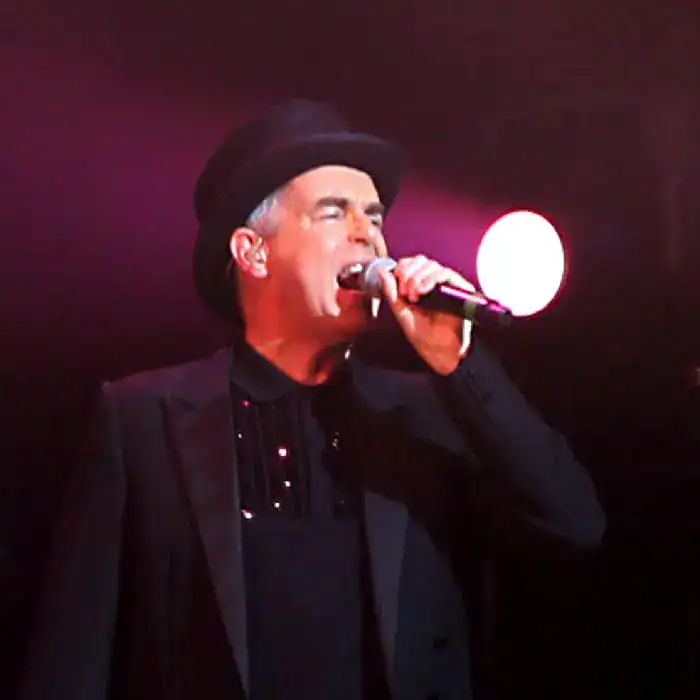
Photo: Kevin Church / Wikimedia Commons / CC BY-SA 2.5 — Wikimedia file page .
Neil Tennant, the singer and songwriter who formed Pet Shop Boys with Chris Lowe, occupies a distinctive place in David Bowie’s creative history. Their connection brought together a musician shaped by Bowie’s early performances and an established electronic duo capable of hearing new possibilities inside one of his most forceful recordings. The result was the 1996 single version of “Hallo Spaceboy”, produced and remixed by Pet Shop Boys and featuring Tennant’s voice alongside Bowie’s.
This was a meeting between artists with separate, recognisable identities. Tennant and Lowe had already built their own catalogue, production approach and visual language. Bowie arrived with a song from 1.Outside, the album he had made with Brian Eno and other collaborators. Their encounter allowed that existing material to enter a different musical setting without requiring either artist to surrender the character of their work.
The partnership also produced a shared appearance at the BRIT Awards on 19 February 1996. Its longer history extends beyond that evening: the remix entered subsequent collections, Tennant continued discussing Bowie’s influence, and Pet Shop Boys returned to a Bowie composition with “All the Young Dudes” in 2024. These recordings and recollections connect an early experience of fandom with an enduring professional contribution.
- Full name: Neil Francis Tennant
- Born: 10 July 1954, North Shields, Northumberland, England
- Roles: Singer, songwriter, musician and producer
- Group: Pet Shop Boys, formed with Chris Lowe in 1981
- Musical partner: Christopher Sean Lowe, born 4 October 1959 in Blackpool
- Early Bowie connection: Tennant attended a Ziggy Stardust concert at Newcastle City Hall in June 1972
- First meeting: According to the duo’s official history, backstage at Wembley Arena in November 1995
- Principal collaboration: Pet Shop Boys‘ production and remix of “Hallo Spaceboy”, with additional vocals by Tennant
- Single release: 19 February 1996
- UK chart peak: Number 12 on the Official Singles Chart
- Shared performance: “Hallo Spaceboy” at the 1996 BRIT Awards
- Later Bowie interpretation: Pet Shop Boys‘ recording of “All the Young Dudes”, released in 2024
Early life: music, theatre and a northern background
Neil Francis Tennant was born in North Shields on 10 July 1954. His early musical life developed in the Newcastle area, long before the electronic partnership through which he became internationally known. Looking back on those years, he has described interests that encompassed songwriting, acoustic music and theatre. These beginnings provide a useful starting point because the later public image of Pet Shop Boys can conceal how varied his formative experiences were.
In his 2022 appearance on the BBC programme This Cultural Life, Tennant discussed buying an acoustic guitar at eleven and beginning to write songs. He also recalled involvement with the Young People’s Theatre in Newcastle during the 1960s. Song and performance were therefore connected interests early in his life, even though the eventual form of his professional career had yet to emerge.
A guitar, an amateur group and a theatre organisation offered different ways of participating in culture. Tennant encountered music as something to write, something to perform and something to experience in company with other people. Acoustic songwriting and theatre were both part of his early interests, before electronic music became central to his professional identity.
Dust and the songs before electronic pop
During 1970–1971, Tennant played in a Newcastle group called Dust. The official Pet Shop Boys history identifies The Incredible String Band as an important influence and names his composition “Can You Hear the Dawn Break?” among the group’s material. It is a reminder that his earliest documented band experience belonged to a different musical environment from the records he later made with Chris Lowe.
Tennant returned to this period in a contribution published by The Quietus in 2023. His recollection places an interest in The Incredible String Band alongside the gradual arrival of Bowie in his listening life. He described becoming aware of Bowie through Hunky Dory, television, radio sessions and interviews during early 1972. That sequence involved several forms of discovery rather than one isolated moment.
Newcastle City Hall: encountering Ziggy Stardust in 1972
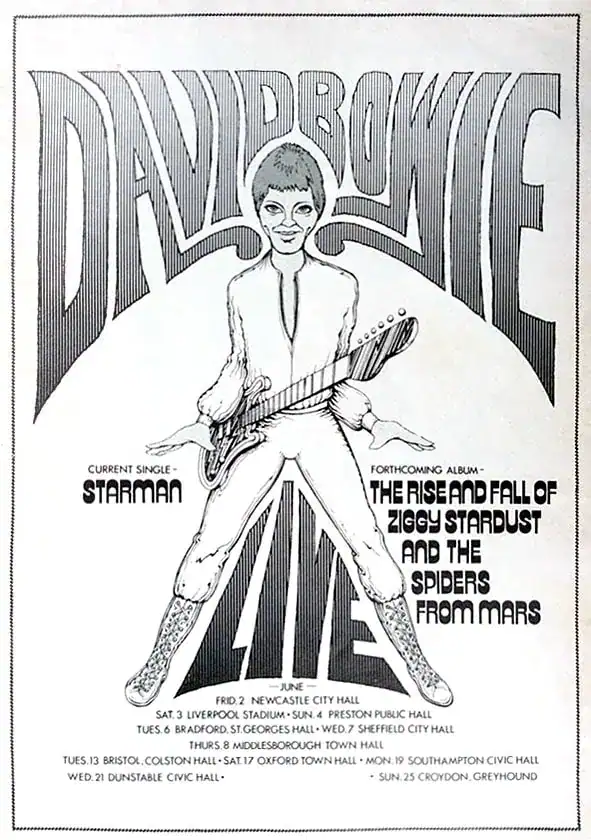
In June 1972, Tennant saw Bowie on the Ziggy Stardust tour at Newcastle City Hall. Asked about his favourite concert in an interview reported by Bowie’s official website in 2002, he chose that performance. His recollection described a venue that was not full and an artist whose presence nevertheless made an exceptional impression. The memory remained vivid thirty years later.
Neil Tennant remembers Bowie in Newcastle
“He was electrifying.”
— Neil Tennant, NME interview quoted in “Bowiephiles”, DavidBowie.com, February 2002 .
Tennant also remembered Bowie addressing the unusual-looking people in the audience and dedicating a song to them. Such details explain why this appearance retained a personal meaning beyond the ordinary recollection of seeing a famous singer. It connected the performance with the experience of being present, visibly different and recognised from the stage.
This encounter belongs to Tennant’s history as an audience member. His later collaboration arose more than two decades afterwards, when he had become a successful musician himself. Holding those stages together gives the story its particular resonance: an artist first encountered in a provincial concert hall eventually became someone whose recorded work Tennant could reshape and whose voice he could join.
History studies, Marvel Comics and music journalism
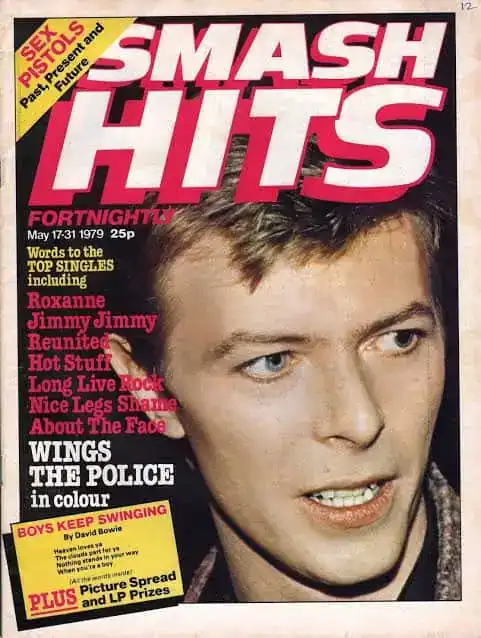
Tennant completed a history degree at the Polytechnic of North London before beginning work at Marvel Comics in 1975. The duo’s official chronology describes editorial duties that included adapting American material for a British readership. His subsequent publishing work took him to Macdonald Educational Publishing and ITV Books, before he joined Smash Hits in June 1982.
Music journalism then placed Tennant in direct contact with the recording industry. He was able to observe artists as professionals while continuing to develop songs of his own. This created a different route into pop from the familiar story of a group playing successive club engagements until discovered. The next major step came through a meeting with Chris Lowe, followed by a publishing assignment that opened an unexpected recording opportunity.
Chris Lowe and the formation of Pet Shop Boys
Chris Lowe was born in Blackpool on 4 October 1959. His own early musical background included playing trombone in the dance band One Under the Eight during the later 1970s. He subsequently studied architecture at Liverpool University and spent a period gaining practical experience in London. Like Tennant, he arrived at their eventual partnership through activities outside the conventional career of a touring rock musician.
The two met by chance in an electronics shop on King’s Road on 19 August 1981. Their official history records a shared enthusiasm for dance music and the beginning of writing together. They initially used the name West End before adopting Pet Shop Boys, a name associated with friends employed at a pet shop in Ealing.
The partnership became the foundation of their work. Although Tennant provides the additional voice on “Hallo Spaceboy” and appears frequently in accounts of the encounter, the production belongs to Pet Shop Boys. Lowe contributed to the musical reconstruction, while Tennant brought his singing and work on the additional lyric. Both musicians form part of the recording’s collaborative identity.
Bobby Orlando and the first “West End Girls”
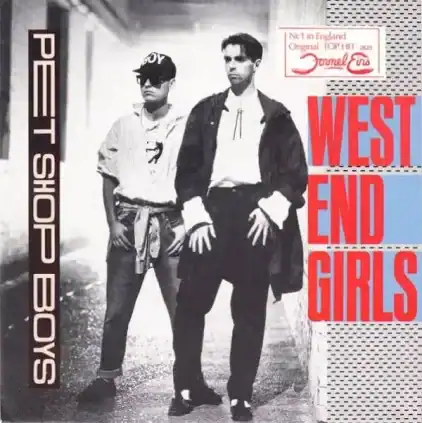
In August 1983, Smash Hits sent Tennant to New York to interview The Police. He used the visit to arrange a meeting with Bobby Orlando, whose dance productions he and Lowe admired. The official chronology dates their lunch to 19 August, exactly two years after the King’s Road encounter. Orlando subsequently proposed making a record with Pet Shop Boys.
The first version of “West End Girls” appeared in April 1984. It found a club audience in Los Angeles and San Francisco and achieved some success in France and Belgium. That initial recording belongs to the beginning of the song’s history; the internationally successful version came through a later production. Keeping the two separate helps explain how the duo’s breakthrough developed over time.
Their first stage appearance followed at the Fridge nightclub in Brixton in October 1984. These early steps brought together studio work, records circulating through clubs and the practical experience of presenting electronic music before an audience. They also show that commercial recognition was a process rather than an immediate consequence of the group’s formation.
Parlophone, Stephen Hague and the international breakthrough
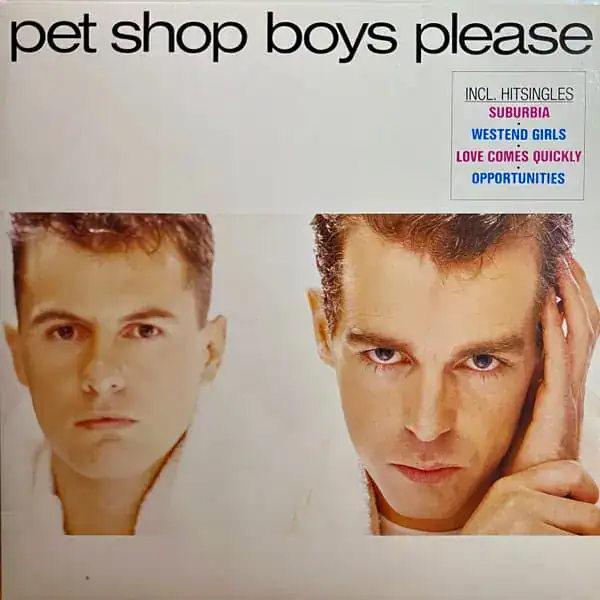
Pet Shop Boys signed to Parlophone in 1985, and Tennant left Smash Hits that April. A new recording of “West End Girls”, made with Stephen Hague, was released on 28 October 1985 and reached number one in Britain in January 1986. Its success subsequently extended internationally, including the United States. The publishing professional had become a full-time recording artist.
Their debut album, Please, followed on 24 March 1986. Releases including “Love Comes Quickly”, a new version of “Opportunities” and the single treatment of “Suburbia” expanded the picture of what they could do. Later that year, Disco presented remixes, demonstrating that alternative versions already belonged to the duo’s public catalogue.
These developments provide useful context for “Hallo Spaceboy”. Pet Shop Boys had experience with the difference between an initial recording and a later, substantially reworked presentation. They also understood how dance versions could form part of an artist’s recorded identity rather than existing only as supplementary material for clubs.
“Actually”: songs, characters and the voice of Dusty Springfield
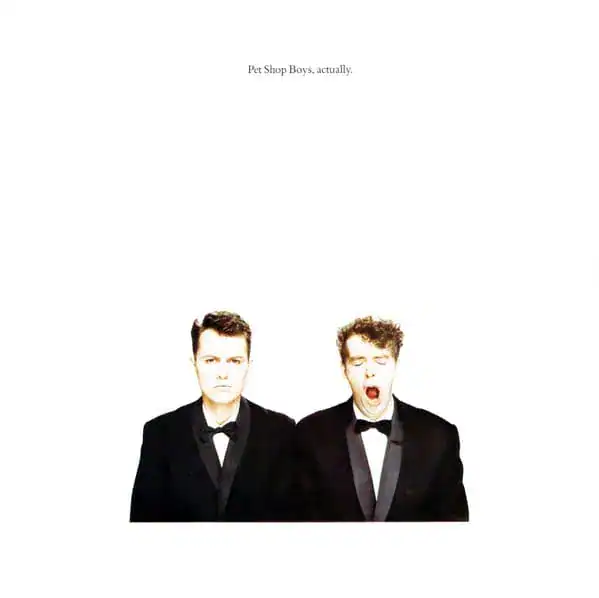
The release of Actually in September 1987 followed a succession of important singles. “It’s a Sin” drew on Tennant’s experience of Catholic education, while “Rent” placed a relationship within an economic setting. The songs demonstrate different uses of a pop lyric: recollection, dramatic situation and the language of everyday life could all become material for a record.
The same year brought “What Have I Done to Deserve This?”, recorded with Dusty Springfield. Tennant’s voice now shared a record with a singer whose history extended well beyond the duo’s own. The collaboration helped establish a pattern in which Pet Shop Boys‘ musical identity could meet a distinct vocal personality without requiring a simple imitation of either participant’s earlier work.
Their electronic version of “Always on My Mind” also emerged during 1987, initially for a television programme commemorating Elvis Presley. It became Britain’s Christmas number one. Taken together, these projects show the range they had developed: original songs, a vocal collaboration and a reinterpretation of familiar material. Such experience helps explain the confidence of the later Bowie project, although each recording arose in its own circumstances.
“Introspective” and the expansion of the dance record
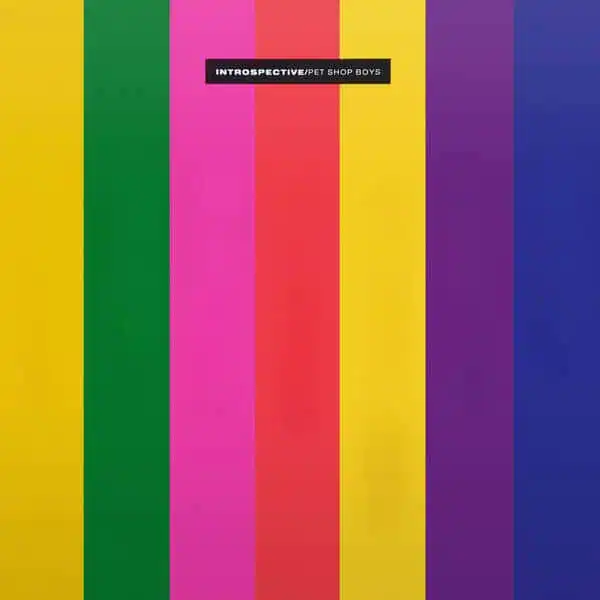
Introspective, released in October 1988, made extended dance arrangements central to an album presentation. The official account describes its songs as inward-looking despite the dance setting. That combination is relevant to understanding Pet Shop Boys: a strong rhythmic structure did not require the subject matter to become uncomplicated or uniformly celebratory.
The year’s work included “Domino Dancing”, recorded in Miami with Lewis Martineé, and “Left to My Own Devices”. Pet Shop Boys were also writing and producing for other performers, including Eighth Wonder’s “I’m Not Scared”. Their professional activity therefore moved between their own releases and the task of developing material for someone else’s voice.
Production partnerships and the first theatrical tour
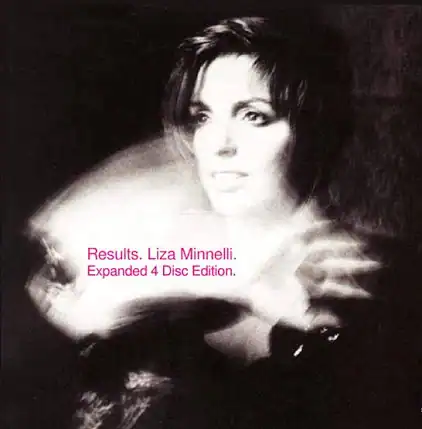
In 1989, Pet Shop Boys‘ work with other singers expanded further. “Nothing Has Been Proved” and “In Private” were written for Dusty Springfield, while the album Results brought them into a substantial collaboration with Liza Minnelli. These were projects involving performers with their own established vocal and interpretative traditions.
That June, the duo began their first tour, with a production directed by Derek Jarman. Films, costumes, dancers and additional musicians formed part of the presentation. The group that had initially established itself through records was developing a concert language in which design and movement helped determine how the songs reached an audience.
Tennant also contributed to Electronic, the project associated with Bernard Sumner and Johnny Marr. “Getting Away with It” introduced another setting for his voice and writing. These activities should be understood as separate collaborations, but collectively they demonstrate his experience of working beyond the two-person identity of Pet Shop Boys. That professional flexibility would become relevant when his voice entered a David Bowie single several years later.
“Behaviour”, “Being Boring” and the Performance tour
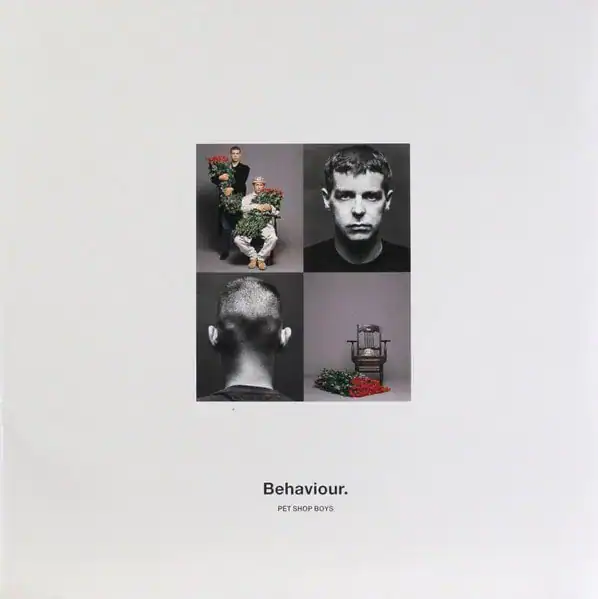
Behaviour, released in October 1990, was recorded in Munich with Harold Faltermeyer. Johnny Marr contributed guitar to two songs. The record’s atmosphere offered another view of the duo, with “Being Boring” connecting its lyric to Tennant’s Newcastle past and to a remembered party invitation. Its emotional perspective depended on the passage of time as much as on an immediate dramatic situation.
The following year’s Performance tour extended their theatrical ambitions through work with director David Alden and designer David Fielding. The stage presentation placed singers and dancers at its centre, developing a structure different from the usual display of a rock band. Visual and dramatic decisions became part of the way the music was organised for a live audience.
In 1991, their version of “Where the Streets Have No Name” combined the U2 song with “Can’t Take My Eyes Off You”. That juxtaposition supplied a clear example of their interest in moving material between contexts. Familiar songs could be placed together so that listeners heard the relationship between them differently.
“Very”, “Discovery” and a changing visual identity
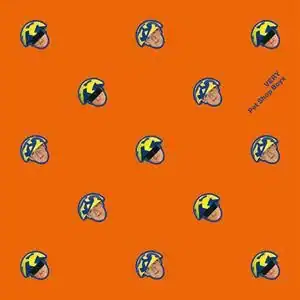
Very appeared in September 1993. The period introduced deliberately artificial costumes and imagery, including the orange outfits associated with “Can You Forgive Her?”. The band’s official history records an explicit interest in moving against the prevailing emphasis on naturalistic presentation. Their appearance became another way of communicating the difference between ordinary private life and the constructed world of a pop performance.
The Discovery tour in 1994 took the duo through territories including Australia and South America. Its performances incorporated percussion, dancers and medleys that connected their own songs with other dance records. The same year saw their remix of Blur’s “Girls and Boys”, identified in their official chronology as their first released remix of another artist’s record.
By 1995, their catalogue had also been gathered from another angle through Alternative, a collection of B-sides. This release acknowledged a substantial body of work beyond the best-known singles. The duo who approached Bowie therefore had both commercial visibility and a broader recording history behind them, including production, remixes, theatrical concerts and material developed outside the central album campaigns.
David Bowie’s “Outside” and the original “Hallo Spaceboy”
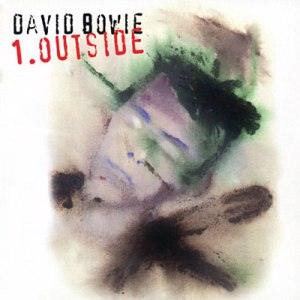
Bowie released 1.Outside on 25 September 1995, with the American release following the next day. The album brought him back into collaboration with Brian Eno and was produced with David Richards. “Hallo Spaceboy” belonged to this original album context before Pet Shop Boys became involved. Its songwriting credit was to Bowie and Eno.
The album version presents the song through a dense, forceful sound. Bowie’s official website later reproduced his comparison of the recording to a meeting between Jim Morrison and industrial music. His description captures the combination of rock intensity and electronic disturbance that made the track stand out within Outside. The Pet Shop Boys single subsequently offered a different setting for that material.
The 1995–1996 Outside tour carried the new material into performance. Within that period, “Hallo Spaceboy” was already available as a song Tennant could hear, assess and prefer. His interest began with Bowie’s current work, rather than with a proposal to revive one of the familiar recordings from the 1970s.
Wembley Arena: the conversation that became a collaboration
The official Pet Shop Boys history places Tennant’s first meeting with Bowie backstage at Wembley Arena in November 1995. They discussed Outside, and Tennant identified “Hallo Spaceboy” as his favourite track. When he asked why it had not been released as a single, Bowie suggested that Pet Shop Boys should remix it. Tennant initially understood the remark as a joke.
Neil Tennant on Bowie’s follow-up
“And then a week later he phoned me at home”.
— Neil Tennant, Pet Shop Boys‘ official history: February 1996 .
The call turned the exchange into a practical project. The published account describes the duo substantially rebuilding the recording, slowing it down and reshaping its structure. It also identifies the use of an Eno synthesizer line and material from Bowie’s vocal. That account establishes the starting point without reducing the entire process to the ordinary adjustment of an existing mix.
Rebuilding the rhythm and recording Bowie’s voice
A further account survives through Steve Pafford’s April 1996 interview with Tennant, an extract from which the interviewer later published. Tennant explained that Chris Lowe created a new rhythm track and that the existing Bowie vocal was sampled and time-stretched to fit the slower treatment. He recalled a reduction from approximately 152 beats per minute to approximately 128.
Tennant recalled that parts of the stretched vocal sounded unsatisfactory, and the team asked for Bowie to return and sing again. His account describes a practical production problem: changing the tempo affected the recorded voice as well as the rhythm. Bowie’s return allowed the vocal performance to be addressed within the new arrangement, making him an active participant in the reconstruction.
“Space Oddity” and the Major Tom connection
The most conspicuous lyrical intervention brought fragments from “Space Oddity” into the new arrangement. In a later NME interview, Tennant credited Chris Lowe with suggesting that they cut up the earlier lyric to create a second verse. Tennant developed and sang the additional material, and described the resulting relationship between “Space Oddity”, “Ashes to Ashes” and “Hallo Spaceboy”. His explanation presents the connection as part of Pet Shop Boys‘ contribution to the single.
Neil Tennant on the relationship between the songs
“We completed the Major Tom trilogy”.
The Major Tom connection belongs specifically to this reinterpretation. Tennant’s additional vocal brought recognisable elements of Bowie’s earlier astronaut song into the new arrangement. The result placed material from different periods alongside one another, allowing listeners familiar with “Space Oddity” to hear the single through the memory of an earlier recording.
Bowie’s official website returned to the subject when promoting the 2019 Radio 2 documentary One Giant Step. Its description identified a new interview in which Tennant discussed the use of cut-up words from the earlier song and singing them with Bowie. The connection had become part of the documented history of “Space Oddity” as well as of “Hallo Spaceboy”.
Hearing Bowie and Tennant together
The single’s vocal identity depends on the presence of two recognisable singers. Heard alongside Tennant’s measured additional part, Bowie’s delivery has an urgent, dramatic quality. The contrast introduces another tone and another position within the arrangement. For the listener, the voices become part of the record’s movement between emotional intensity and a carefully organised electronic setting.
A useful way of approaching the performance is to listen for the movement between the voices. Tennant does more than supply an anonymous layer behind a lead singer. His part carries material that affects the listener’s understanding of the song, particularly through the connection with Bowie’s earlier work. The vocal contribution and the production intervention consequently reinforce one another.
The contrast also alters the dramatic scale of the recording. The album version can be heard as an intense central utterance surrounded by instrumental pressure. In the Pet Shop Boys treatment, another singer enters the scene, and the arrangement supplies a more clearly organised setting for their interaction. Neither description requires one version to be judged superior. They offer different ways of presenting the same underlying song.
19 February 1996: the single and the BRIT Awards
David Bowie and Pet Shop Boys performing “Hallo Spaceboy” at the BRIT Awards, 19 February 1996.
“Hallo Spaceboy” was released as a single on 19 February 1996. On the same day, Bowie received the Outstanding Contribution to Music honour at the BRIT Awards and performed the song with Pet Shop Boys. The official Bowie archive confirms that he also performed “Under Pressure” and “Moonage Daydream” with his own band during the event.
The shared performance gave the new record a public setting. The collaboration could now be encountered through the visible presence of Bowie, Tennant and Lowe, rather than only through a production credit or a voice on a recording. For an awards ceremony recognising a long career, choosing current material also placed Bowie’s continuing work before the audience.
A contemporary notice on Bowie’s website described the performance when announcing the American broadcast of the ceremony. That notice also identified Tennant’s vocals on the revamped track and discussed its American dance-club release. The record and television appearance therefore belonged to a coordinated period of exposure, with different presentations reaching different audiences.
Top of the Pops: presenting the partnership to a television audience
David Bowie and Pet Shop Boys performing “Hallo Spaceboy” on BBC’s Top of the Pops in 1996.
Bowie and Pet Shop Boys also performed “Hallo Spaceboy” together on Top of the Pops in 1996. This appearance extended the television life of the single beyond the BRIT Awards. The performers could be encountered within the BBC’s regular pop programme, where a current release was presented alongside the records and artists of that moment.
Tennant himself returned to the footage in a short message published on the official Pet Shop Boys website on 22 June 2012. Watching a Bowie-themed evening on BBC Four, he drew attention to the 1996 appearance and expressed pleasure at seeing it again. His notice supplies direct confirmation from a participant and shows that the performance retained a personal significance many years later.
The two television settings offer complementary records of the partnership. The BRIT Awards placed the song within a ceremony recognising Bowie’s career; Top of the Pops presented the collaboration as current pop music. For audiences encountering the new version at the time, Tennant’s voice and Lowe’s presence were part of the song’s visible identity as well as its recorded sound.
Chart performance and the single’s recorded history
The Official Singles Chart records a UK peak of number 12 for “Hallo Spaceboy” on the chart dated 2 March 1996. The single remained in the listed chart through March. This gave the Pet Shop Boys production a measurable place in Bowie’s British singles history, alongside the television appearances and promotional activity surrounding its release.
The contemporary single appeared in different editions. The illustrated Bowie discography records CD configurations containing the remix with other Bowie material, including live recordings of “Under Pressure” and “Moonage Daydream”. Such packaging placed the current production alongside performances associated with his wider repertoire. For collectors, the precise edition matters because track contents can differ between territories and formats.
The promotional film and the collaboration on screen
David Bowie and Pet Shop Boys in the “Hallo Spaceboy” promotional video, directed by David Mallet in 1996.
The promotional video for the single was directed by David Mallet. It combined images of Bowie and Pet Shop Boys with a rapidly edited selection of archival and science-fiction imagery. The visual treatment corresponded to the remixed single, making it another surviving record of this particular version of the song rather than an illustration of the original album arrangement.
Viewed as a piece of visual interpretation, the montage encourages associations between popular entertainment, technology and unease. Its shifts between performers and other images produce a restless environment around the music. The combination of a steady electronic rhythm with rapidly changing pictures gives the promotional presentation its own tension, complementing the different voices heard on the record.
For the collaborator archive, the film has a straightforward documentary importance. It places the participants within the same promotional object and shows that the partnership extended to the public representation of the record. Listeners who first encountered the song through television could see that another established act had become involved in Bowie’s current work.
Tennant’s contemporary recollections of working with Bowie
An interview recorded by Steve Pafford on 25 April 1996 preserves Tennant discussing Bowie shortly after the collaboration. In the published extract, he described an artist who worked hard and remained pleasant to talk to. Because the conversation took place close to the recording and awards appearance, it offers a different perspective from memories collected many years later.
Neil Tennant on Bowie’s manner
“And he sort of wears his fame very well.”
— Neil Tennant, interview with Steve Pafford, 25 April 1996; extract published in “Exclusive audio: Neil Tennant talks David Bowie…” .
Tennant recalled requests from other people who wanted introductions to Bowie at the BRIT Awards, and Bowie’s willingness to sign material for the duo’s press officer. Those details locate the recollection in the ordinary social demands surrounding a famous performer. The account communicates admiration through particular remembered interactions rather than through an unsupported claim of exceptional personal closeness.
“Bilingual”, the Savoy Theatre and life after “Hallo Spaceboy”

Pet Shop Boys‘ own work continued through Bilingual, released in September 1996. The official history connects the album with their international outlook and experiences of Latin music. The Bowie project was part of their activity during this period, alongside original songs and other collaborations, rather than a change of membership or a new permanent artistic identity.
In June 1997, their Somewhere residency at London’s Savoy Theatre, staged with Sam Taylor-Wood, provided another theatrical setting for the duo. They also released their version of “Somewhere” from West Side Story and began appearing at festivals, including Roskilde. Records, theatre and outdoor performance remained parallel parts of their developing career.
“Nightlife” and “Closer to Heaven”
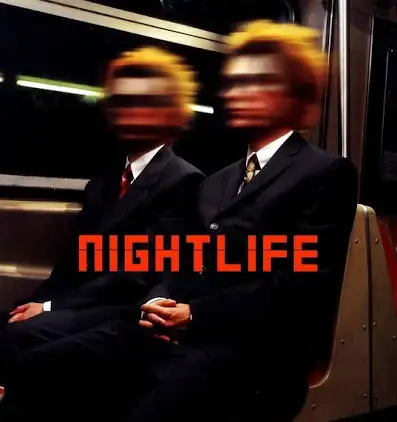
Nightlife, released in October 1999, brought together songs produced with collaborators including David Morales, Rollo and Craig Armstrong. “In Denial” featured a duet with Kylie Minogue. The period also introduced another designed appearance and a touring production with a set by Zaha Hadid, continuing the duo’s interest in how architecture and costume could frame popular music.
The album’s concern with relationships and experiences unfolding at night supplied a setting for varied narrative voices. Tennant’s published account emphasised that the lyrics did not all represent him personally. This is a useful reminder when reading a songwriter’s work: a first-person lyric can belong to a character or dramatic situation rather than operating as a direct diary entry.
Their first stage musical, Closer to Heaven, opened at London’s Arts Theatre in May 2001. Written with Jonathan Harvey, it placed contemporary songs within a nightclub story. The project extended an interest in theatrical presentation into a work where songs participated in an unfolding drama performed by a cast.
Film music, orchestras and another route beyond pop singles
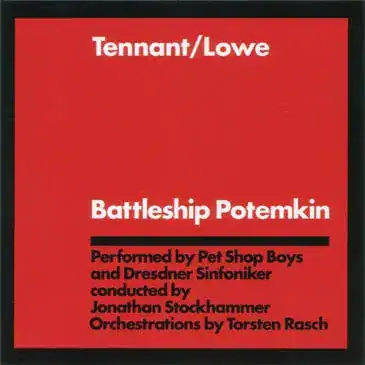
In September 2004, Pet Shop Boys presented their new score for Sergei Eisenstein’s Battleship Potemkin in Trafalgar Square. The performance involved the Dresdner Sinfoniker, conducted by Jonathan Stockhammer, with orchestrations by Torsten Rasch. A large screen placed the silent film above the musicians, bringing their music into a direct relationship with an existing work of cinema.
The project was a different form of reinterpretation from a remix or a cover. An older visual work acquired a new musical accompaniment, with the timing and development of the film shaping the listening experience. It shows the duo participating in a broader field of collaborative production while retaining an interest in the relationship between sound and image.
Their 2006 album Fundamental, produced by Trevor Horn, returned to their own songs. The accompanying concert work included a touring design by Es Devlin and the orchestral live recording Concrete. That release preserved guest performances and a large instrumental setting, giving listeners another way to encounter music associated with the duo.
“Disco 4” preserves the Bowie production
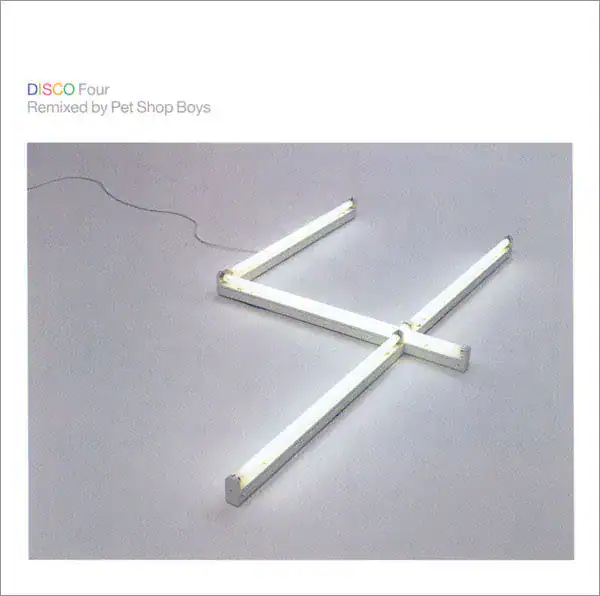
The release of Disco 4 on 8 October 2007 gave “Hallo Spaceboy” a place within a Pet Shop Boys collection. The album assembled remixes they had made for other artists alongside their own material. Its tracklisting included Bowie with recordings associated with The Killers, Yoko Ono, Madonna, Atomizer and Rammstein.
That placement changes the frame through which the recording can be heard. On a Bowie single, it belongs to his release history; on Disco 4, it becomes an example of Pet Shop Boys‘ production work. The sound is the same collaboration, but the surrounding catalogue directs attention towards a different aspect of its making.
The album therefore provides evidence of the duo’s continuing identification with the project. It was not merely a promotional appearance left behind in 1996. Their own retrospective presentation included it among records that illustrated what their approach could bring to another artist’s material.
Recognition, ballet and renewed electronic work
At the 2009 BRIT Awards, Pet Shop Boys received a career achievement honour and performed at the ceremony. That year also brought Yes, made with Xenomania and featuring further instrumental contributions from Johnny Marr. The recognition placed their own long career in the spotlight, thirteen years after they had joined Bowie at his awards appearance.
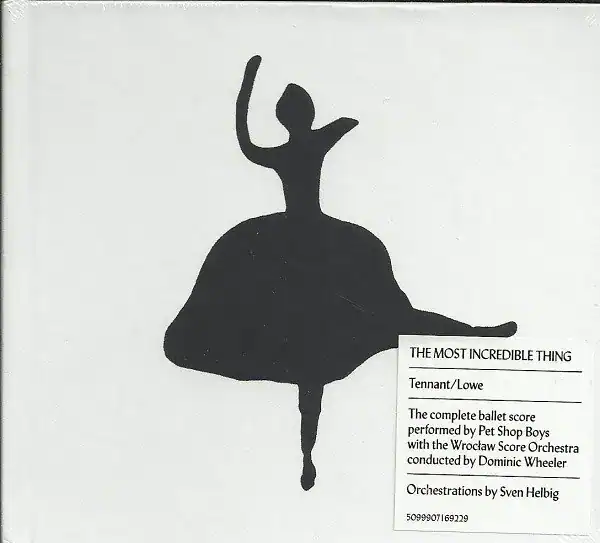
In 2011, The Most Incredible Thing took their writing into ballet. Based on Hans Christian Andersen’s story, the Sadler’s Wells production was choreographed by Javier de Frutos and involved dancers including Ivan Putrov. Its score was released under the name Tennant/Lowe, with orchestrations by Sven Helbig. Music for movement became the organising purpose of a complete stage work.
Electric followed in 2013, produced by Stuart Price and released through their own x2 label. Its strong electronic dance emphasis marked another development in their recording career. The official account describes the album as a kind of return to the enthusiasm for electronic music that had helped bring the duo together.
January 2016: remembering David Bowie
Following Bowie’s death, Pet Shop Boys published a short tribute on their official website on 11 January 2016. Signed by Neil and Chris, it expressed gratitude for his work and sympathy for his family. Its opening framed their response within a wider generation of artists whose lives and creative possibilities had been affected by Bowie.
Neil Tennant and Chris Lowe remember Bowie
“We are all Bowie’s children. He inspired us and changed our lives.”
— Neil Tennant and Chris Lowe, “David Bowie 1947–2016”, official Pet Shop Boys website, 11 January 2016 .
The statement connects the two strands of their history with him: the influence of a performer encountered through records and concerts, and the later experience of collaborating on a particular song. Its reference to changed lives gives the tribute a broader scope than the 1996 project alone. Gratitude for an artistic example stands alongside the memory of having worked with him.
“Legacy” and the archival place of the single version
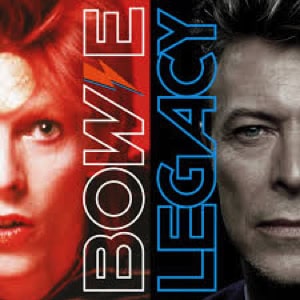
The two-CD edition of Bowie Legacy, released in November 2016, included “Hallo Spaceboy” in its Pet Shop Boys remix. The official tracklisting explicitly identified the duo. That selection positioned the production within a broad survey of Bowie’s career, where an introductory listener could encounter it alongside material from very different periods.
A career compilation selects a comparatively small number of recordings to represent an artist. In this setting, the Pet Shop Boys version stands as the chosen presentation of “Hallo Spaceboy”. It gives Tennant and Lowe’s contribution a place among recordings introducing Bowie’s work to listeners who may be discovering his catalogue for the first time.
“Hotspot” and the continuing life of the duo
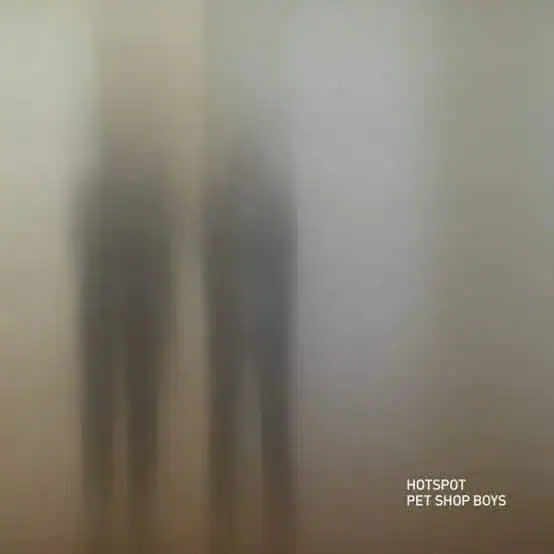
Hotspot, released in January 2020, continued Pet Shop Boys‘ work with Stuart Price. The official account describes an initial recording period at Hansa Studios in Berlin, followed by further work and mixing in Los Angeles. The settings formed part of the album’s production history, while Berlin also entered the subject matter of several songs.
The same year, they made a new version of “West End Girls” for an online Pride event while working from separate locations. Tennant recorded his vocal using his iPhone, according to the official history. This small practical detail shows the continuing adaptability of a duo whose first recordings had been made decades earlier under very different conditions.
2021: the remix within Brilliant Adventure
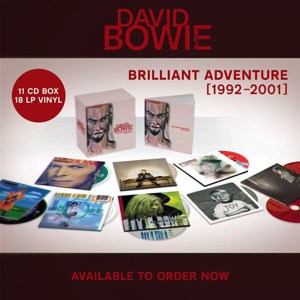
In 2021, Brilliant Adventure (1992–2001) supplied a more concentrated historical setting. Its Re:Call 5 compilation included the remix among non-album recordings, single versions and other related material. The set also contained 1.Outside, making it possible to examine the album recording and the single treatment within the same larger collection.
A period box offers a different listening framework from an introductory compilation. Album tracks, live performances and alternative versions can be heard together within the years to which they belong. Here the remix sits within a survey of Bowie’s 1990s work, with the original album also available. Its position makes the changes between the two productions easier to follow without losing their separate identities.
2024: “Nonetheless” and the Bowie world of “New London Boy”
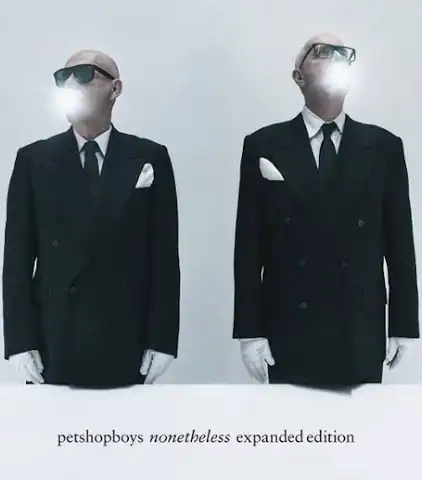
Pet Shop Boys released Nonetheless on 26 April 2024, returning to Parlophone for an album produced by James Ford. Its ten songs included “Loneliness”, “New London Boy” and “A New Bohemia”. The official release information also described new recordings of four earlier singles on the accompanying Furthermore EP in deluxe editions.
“New London Boy” is especially relevant to this archive because its lyric explicitly names Roxy and Bowie within a remembered glam-era social world. The published words connect style, nightlife, uncertainty and self-invention. They can be read as a return to the cultural environment that made Bowie important to Tennant before their professional meeting.
Bowie’s name appears within the cultural memory carried by the lyric. The song returns to questions of style, belonging and identity that formed part of Tennant’s early experience of popular music. More than fifty years after the Newcastle concert, that musical world could still become material for a new Pet Shop Boys song.
“All the Young Dudes”: returning to a Bowie composition
Pet Shop Boys performing David Bowie’s “All the Young Dudes” for BBC Radio 2’s Piano Room, February 2024.
On 23 February 2024, Pet Shop Boys appeared in BBC Radio 2’s Piano Room. Their official website listed three performances: “Left to My Own Devices”, “Loneliness” and a cover of “All the Young Dudes”. The Bowie-written song therefore entered their public performance activity before the subsequent single release.
In November 2024, their recorded version appeared with “New London Boy” as a double A-side. The official product listing identifies the release and its different treatments, including a Delinquent version and a Richard X edit. This gives the Bowie connection a release history of its own, distinct from the 1996 remix.
The two projects involve different kinds of relationship to Bowie’s work. “Hallo Spaceboy” included Bowie’s participation and voice in a new production made during his lifetime. “All the Young Dudes” was a later interpretation of his composition by Pet Shop Boys. Calling both collaborations in exactly the same sense would obscure that distinction.
Expanded editions and a new audience for the Bowie cover
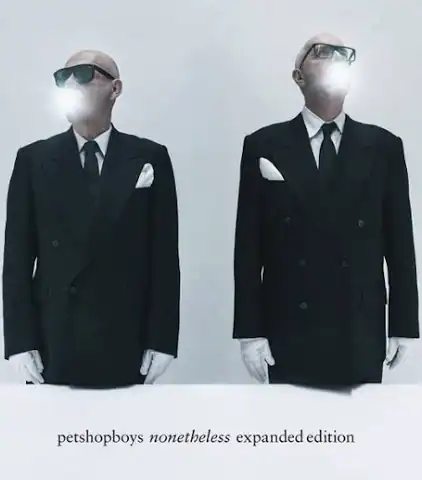
The expanded edition of Nonetheless also included “All the Young Dudes” among its additional recordings. The official description placed it alongside “The Dark End of the Street”, a version of Allegri’s “Miserere” and the Pet Shop Boys song “Adrenaline”, as well as demos of the main album material. The cover consequently became available within a broader presentation of their work from this period.
The duo’s website reported that “All the Young Dudes” had been added to the BBC Radio 2 playlist in November 2024. Their announcements also documented a performance of the single on Strictly Come Dancing. These notices establish specific forms of broadcast exposure, giving the later Bowie interpretation a traceable public life.
2026: “Bowie Forever” and thirty years of “Hallo Spaceboy”
On 10 January 2026, the official Pet Shop Boys website directed listeners to Tennant’s appearance in the BBC 6 Music series Bowie Forever. The notice specifically identified discussion of Bowie and the “Hallo Spaceboy” collaboration. Tennant’s recollections continued to form part of the public account of the record thirty years after its release.
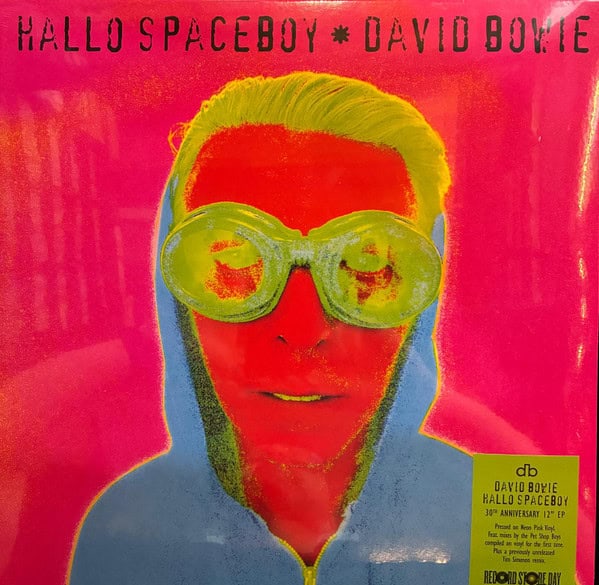
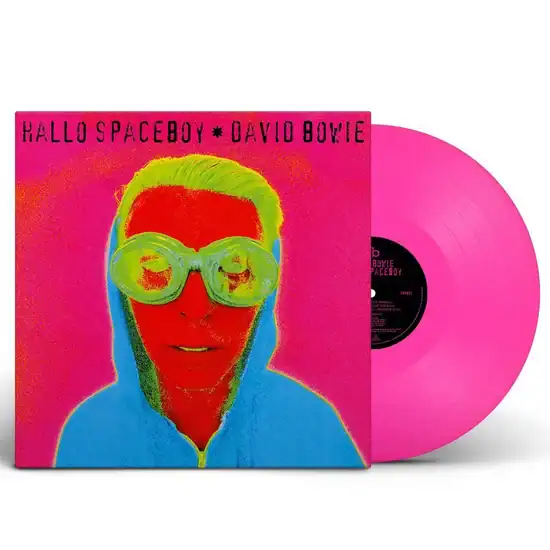
That year also brought a Record Store Day edition of “Hallo Spaceboy”, announced for 18 April 2026. The official Bowie and Parlophone announcement described a neon-pink twelve-inch EP with six mixes: two Pet Shop Boys versions, three with additional production and remixing by Dave Ball and Ingo Vauk, and a previously unreleased Tim Simenon remix.
The credits are particularly useful. They identify the original Bowie and Eno production, David Richards‘ engineering and co-production, and the different later treatments. The EP makes it possible to follow the recording through several production settings while retaining the distinctions between those contributions.
In October 2026, Pet Shop Boys also released a revised recording of A Man from the Future, their work about Alan Turing. Created with biographer Andrew Hodges and other collaborators, it demonstrated continuing activity far beyond their early singles. Tennant’s Bowie memories now existed alongside new work by the duo, rather than replacing their present artistic life.
Legacy: an admirer becomes an interpreter and collaborator
Neil Tennant‘s place in Bowie’s history rests on a particular transition: the young listener who saw Ziggy Stardust in Newcastle became a musician able to contribute to Bowie’s work on professional terms. That development makes the story more substantial than an encounter between a star and a fan. By the time they worked together, Tennant and Chris Lowe had the experience and artistic identity to propose a genuinely different treatment of an existing song.
The clearest evidence of their contribution remains the recording. “Hallo Spaceboy” demonstrates how collaboration can operate through interpretation: a new rhythm, another voice and a connection with earlier material produce a changed musical experience. Bowie’s presence remains central, while Pet Shop Boys‘ decisions make the single recognisably distinct from the album version. The achievement can be assessed directly by listening to both.
Tennant’s later recollections add a human perspective without replacing that evidence. His admiration, the backstage conversation and his memories of Bowie’s manner explain something of the circumstances surrounding the work. The subsequent releases show how the record survived beyond those circumstances. Its inclusion in both artists’ collections gives it a continuing place in their separate histories.
The later “All the Young Dudes” recording opens another dimension. It shows a return to Bowie’s songwriting after the possibility of a new direct partnership had ended. This is the continuing activity of an interpreter, bringing an older composition into the sound and repertoire of Pet Shop Boys. It extends the connection through a different kind of musical act.
Taken together, these chapters explain why Tennant and Lowe deserve a place in Bowie’s collaborative archive. Their contribution was concentrated and identifiable, and its consequences remain audible. The story preserves the movement from receiving an artistic influence to doing something creative with it: listening led to a conversation, the conversation led to a record, and the record became part of the lasting work of everyone involved.
Official Website & Further Information
The official Pet Shop Boys website is the main starting point for exploring Tennant and Lowe’s work. Its chronological history, release catalogue, published lyrics and contemporary news notices document different aspects of their career. For this page, these sections establish the early partnership, the “Hallo Spaceboy” project and the later return to Bowie material through “All the Young Dudes”.
David Bowie’s official website provides the complementary perspective. Its archive includes contemporary promotion, anniversary notices and release information that identify the single’s place within Bowie’s catalogue. The Official Charts Company supplies the British chart record, while the linked interviews preserve Tennant’s own descriptions of particular experiences. These sources answer different questions and are most useful when read together.
Readers interested in the music can begin with the original Outside recording, then compare the Pet Shop Boys single and extended treatment. The BRIT Awards footage provides a performance context, while the 2024 cover illustrates a later approach to Bowie’s songwriting. Following that sequence offers a practical way to explore the connection through the actual work, alongside the recollections quoted in this article.
Article Origin
This article was researched and written for DavidBowieWorld.com as part of its archive of David Bowie’s collaborators and creative circle. It draws on the official Pet Shop Boys chronology and catalogue, Bowie’s official release archive, published interviews, broadcast information and documented chart history. Short quotations are attributed to their speakers and linked to the publications that preserve them.
The aim is to place the “Hallo Spaceboy” partnership within a clear chronology while giving Tennant and Lowe’s independent career the context it requires. The article distinguishes the original album recording from the subsequent single production, direct collaboration from later interpretation, and documented events from observations about the experience of listening. This preserves the different roles that can otherwise become blurred when a long history is reduced to a few familiar anecdotes.
The quotations reproduced here come from the identified published interviews and official statements. The sources accompanying the quotations allow readers to explore the surrounding accounts and distinguish contemporary recollections from later memories. The article can be developed further through additional verified material, while retaining clear attribution for photographs, correspondence and personal testimony. Its purpose is to preserve a useful, readable account for Bowie listeners, researchers and those exploring the musicians who worked with him.
© DavidBowieWorld.com – David Bowie Collaborations & Creative Circle Archive.
