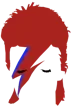
David Bowie Debuts Ziggy Stardust with Starman on Top of the Pops
On 6 July 1972, David Bowie appeared on the BBC’s Top of the Pops to perform Starman. For many viewers across Britain, this was the first time they had seen Bowie fully transformed into Ziggy Stardust, the flame-haired alien rock star who would soon become one of the defining figures of the glam rock era.
The performance had an immediate cultural impact. Bowie looked directly into the camera, placed his arm around guitarist Mick Ronson and presented a new kind of rock star: theatrical, glamorous, ambiguous and completely self-assured. In just a few minutes, he showed that pop music could be visual art, fashion, theatre and identity all at once.
Starman had been released as the breakthrough single from The Rise and Fall of Ziggy Stardust and the Spiders from Mars. The song introduced Ziggy’s message of hope from outer space, while the television appearance gave that message a face. For countless young viewers, Bowie’s performance felt like permission to be different.
Although Bowie had already released ambitious and highly regarded albums, including Hunky Dory, this appearance changed everything. It helped move Ziggy Stardust from cult fascination to national phenomenon and confirmed Bowie as one of the most original artists of his generation.
Starman on Top of the Pops
This performance remains one of the most important television moments in David Bowie’s career. It was not simply a promotional appearance for a single; it was the public arrival of Ziggy Stardust. The combination of Bowie’s voice, costume, make-up, stage confidence and direct connection with the camera helped redefine what a pop performance could be.
After this broadcast, Bowie’s influence spread rapidly through music, fashion and youth culture. The Starman had arrived, and British pop would never look quite the same again.

5